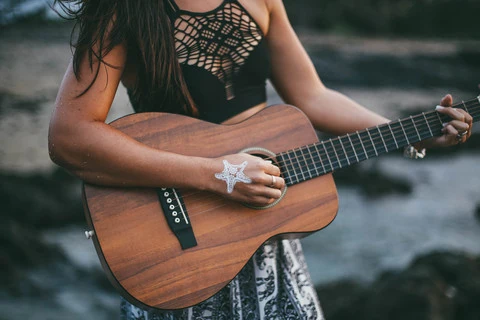
Temporary Tattoo Collection Donates 50% to Animal Rescue!
Posted on

Posted on
Posted on
Temporary tattoos offer a low-commitment way to test a design, change your look for an event or try a placement you have not considered. The most convincing results come from realistic artwork, careful skin preparation and a little strategic neglect once the tattoo is on.
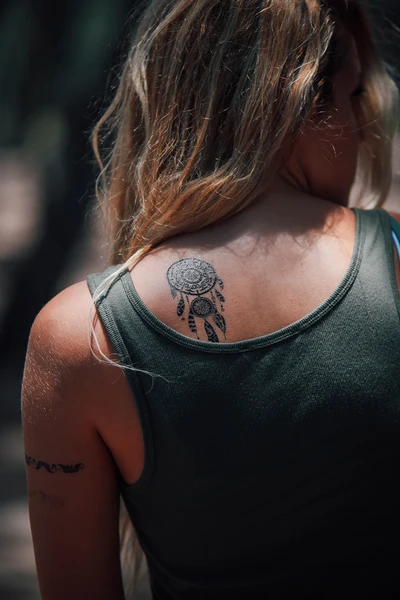
A fresh permanent tattoo is usually sharper, brighter and slightly raised. A healed one develops softer edges, subtle changes in density and a relationship with the skin’s texture that stickers often struggle to reproduce. Temporary ink can suggest that settled quality when the design and placement feel believable.
Good preparation matters more than elaborate equipment. Clean, dry skin gives the pattern an even base, while steady application and sensible aftercare help it blend in. Australian heat, sunscreen, swimming and commuting routines also influence how the finish changes.
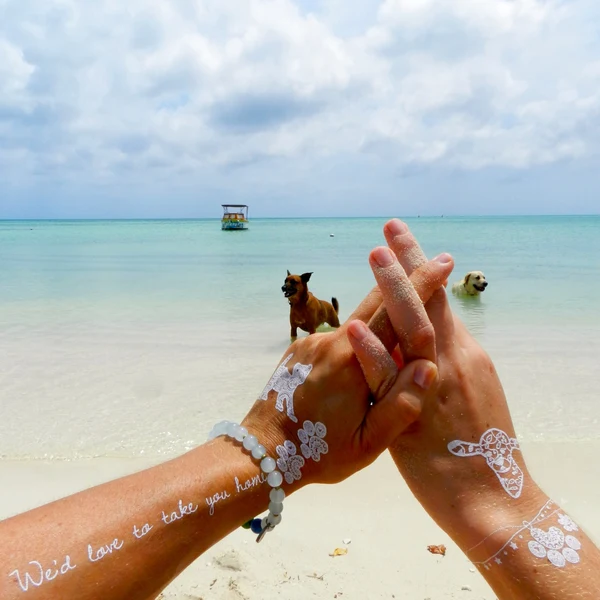
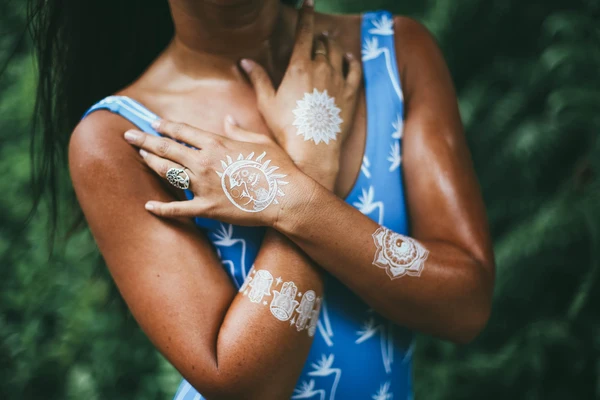
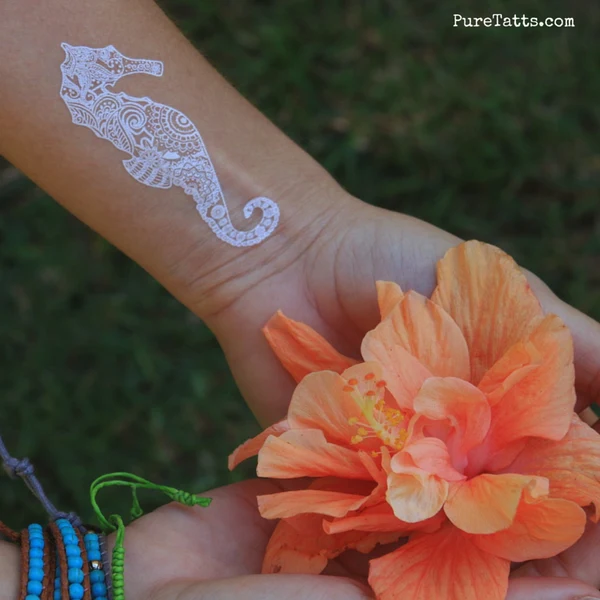
Premium black-and-white temporary tattoos work best when their artwork acknowledges how real ink ages. Pure Tatts’ hand-drawn geometric, matte black and white designs provide varied line weights and fine details, giving you options that can look established rather than pasted on.
Online artist-led labels have widened the Australian temporary-tattoo market, while seasonal collections and email offers make it easy to compare styles before buying. Start with a design whose visual complexity suits the body area: dense geometry needs more room, while a simple black motif can look convincing on a smaller surface.
Placement also changes the impression. Follow the body’s natural lines, account for hair and avoid placing a symmetrical design where your posture will make it noticeably uneven. For smaller motifs, the fine-line finger styling guide shows how proportion and spacing affect whether finger tattoos look deliberate.
Start with lukewarm water and a fragrance-free cleanser, then rinse thoroughly and pat dry. Avoid lotions, oils and deodorant on the application area because they can create a slippery or uneven surface that traps adhesive and interrupts the pattern.
If the area is hairy, trim or shave it beforehand, ideally a day before. Give freshly shaved skin time to settle, and use a clean, sharp razor if shaving is necessary; tiny nicks and irritated follicles will undermine both the finish and your comfort.
Gentle exfoliation a few days beforehand can remove dead surface cells, but harsh scrubs can leave skin sensitive and make the design catch unevenly. Let any redness or irritation settle, and make sure the skin is calm, unbroken and completely dry before application.
Follow the product directions, since water-based and adhesive-backed tattoos may need different preparation and setting times. Work with clean hands, position the design on dry skin first, then wet the transfer if the instructions call for it before pressing the sheet down firmly from the centre towards the edges.
Pressure matters more than speed. Hold each section against the skin for the recommended time, pressing gently across the transfer layer to secure every line. Peel back slowly while keeping the remaining sheet flat and anchored; rushing often creates folds, gaps or a blurred outline.
Ankles, knuckles, elbows and shoulders need extra care because their shape moves and stretches. The curved-area application guide explains how to follow contours without dragging the design out of shape. Avoid pulling the skin tight, which can make the tattoo look unnaturally distorted.
Let the tattoo dry fully and observe its recommended setting period before exposing it to water. Many transfers need several hours, and a surface that feels dry can still have a weak bond underneath. Follow the packaging advice rather than relying on a quick shower or a rough estimate.
Avoid swimming, saunas, steam rooms and intense sweating while the adhesive is setting. Everyday friction matters too: a backpack strap, seatbelt, tight waistband or towel can lift an edge. Wear looser clothing over the design and change activities that repeatedly rub the same spot.
After a shower, let water run over the tattoo and pat the area with a clean towel. Do not scrub, scratch or rub the transfer. Oils and heavy moisturisers may soften the adhesive, so keep the skin around it clean and let any recommended aftercare product do its job.
Sydney and Melbourne summers bring strong UV exposure, warm pavement and days that move quickly from air-conditioned offices to bright outdoor conditions. Sun can fade both temporary pigment and the surrounding skin, so broad-spectrum SPF 50+ sunscreen is a useful daily habit around the design.
Keep fresh transfers out of direct sun where practical, and use shade or loose clothing while they set. Once the tattoo has set, apply sunscreen carefully rather than rubbing it in. At the beach, salt water, sand and chlorine can weaken a transfer quickly, so wait until it is secure, rinse with fresh water and pat dry.
Heat and humidity can leave sweat collecting around wrists, ankles and hairline edges, especially during a commute or gym session. Let perspiration dry naturally or blot it gently, and choose breathable clothing. These small adjustments help a tattoo survive the Australian summer without looking artificially protected.
Photograph temporary tattoos in soft, indirect daylight, with the camera at the same height as the body part. Flash creates glare, while heavy filters can erase the texture that makes the design believable. A relaxed pose and a clear view of the edges give the truest impression.
Healed tattoos often look slightly less crisp than their first-day photographs. Accept some natural fading and let skin texture show through rather than editing every imperfection away. Avoid adding fake shine, deep shadows or perfectly uniform colour, none of which usually resemble real body art.
The same principle applies to a wrist, forearm or shoulder: turn the limb to show its contour and check how the design changes with movement. Honest lighting and a little variation generally make the tattoo easier to believe, whether you are checking the fit yourself or sharing it with friends.
Use temporary tattoos as directed, wash your hands before handling them and avoid broken, sunburnt or actively irritated skin. A small patch test may reveal sensitivity to the adhesive, particularly for people with eczema or a history of skin reactions. Stop using the product if burning, swelling or a spreading rash develops.
Australia’s Therapeutic Goods Administration treats ordinary decorative temporary tattoos as cosmetic products that do not require pre-market approval, unless they make a therapeutic claim. Permanent tattoo inks fall under separate TGA controls. In New South Wales, permanent tattoo studios must hold public skin-penetration licences and meet infection-control rules; other states and territories apply their own licensing and hygiene requirements.
Choose a reputable seller and keep the product packaging so you can check its ingredients and instructions. Never apply a temporary tattoo over an existing permanent one, as trapped moisture and adhesive can irritate the skin. For persistent irritation, seek advice from a pharmacist or healthcare professional rather than covering the area with another product.
Explore Pure Tatts’ current black-and-white collection, seasonal releases and artist collaborations through where to buy. Join the email list for new-design alerts and offers, then choose a believable placement, prepare the skin properly and give the artwork time to settle into your look.
Posted on
Posted on
Posted on

Posted on

Posted on

Posted on
Posted on