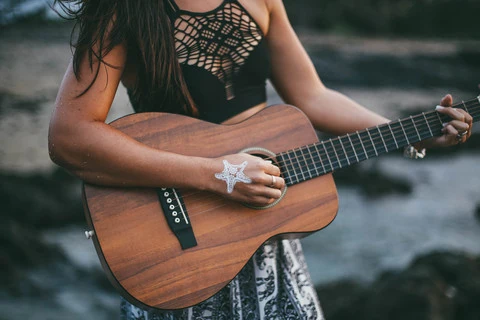
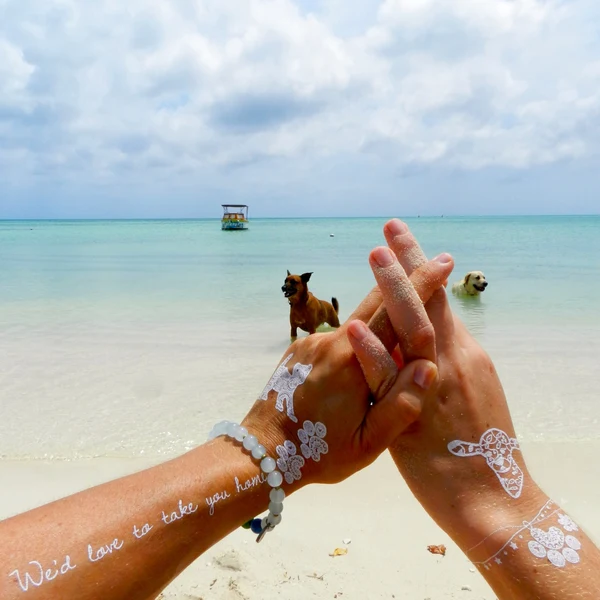
Temporary Tattoo Collection Donates 50% to Animal Rescue!
Posted on

Posted on
Posted on
An arm sleeve made from temporary transfers offers the visual impact of body art without the permanence. It works for a weekend, wedding, festival or bold everyday look, and each transfer can be removed when the mood changes. Pure Tatts’ premium black-and-white designs make the experiment convincing, with fine linework, matte-black areas and hand-drawn detail that reflect the character of traditional tattoo art.
Curating an arm sleeve with mixed single-use tattoo sheets is less about covering every centimetre and more about controlling pace. A large botanical piece, a narrow geometric band and a few small symbols can form one composition when their line weight, spacing and direction agree. The key is to give every sheet a purpose rather than adding another motif simply because it looks good in isolation.
Australian planning starts with the calendar: summer runs from December to February, when a new tattoo may be headed for Bondi beach or a Byron Bay festival. Melbourne’s famously changeable weather can hide the artwork under a jacket one week and reveal it the next. The local beauty market also favours Australian-dollar pricing, delivery comparisons, seasonal sales and Christmas gifting, often with shoppers checking Chemist Warehouse or Priceline alongside specialist websites. In casual Australian speech, a full arm design is usually called a sleeve—or a proper sleeve when the linework is ambitious.
Treat the arrangement as a visual edit rather than a permanent commitment. Work from the shoulder or forearm inward, test each transfer at its actual size and leave breathing room around joints. This approach lets you create a coherent temporary tattoo story while keeping the level of coverage under your control.
Begin with a dominant design that establishes the character of the sleeve. It might be a detailed botanical arrangement for an organic look, a bold geometric composition for a modern edge, or a flowing line piece that follows the arm’s natural direction. Place the anchor where it will have the most visual impact, usually on the upper arm or forearm, and use smaller transfers to guide the eye between key areas.
Give every other sheet a supporting role. Geometric pieces can connect intricate illustrations, narrow bands can bridge gaps, and small symbols can punctuate open skin without overcrowding it. Similar line weights are especially important: pairing delicate botanical work with heavy matte-black blocks can feel disjointed unless a smaller, equally bold element creates a deliberate transition.
Compare the available designs before ordering, using the current collection pages to review seasonal releases, featured artwork and artist collaborations. Look beyond the individual image and consider how it might sit beside the other sheets in your collection. A design that appears too intricate on its own may become the focal point of the sleeve when surrounded by simpler motifs.
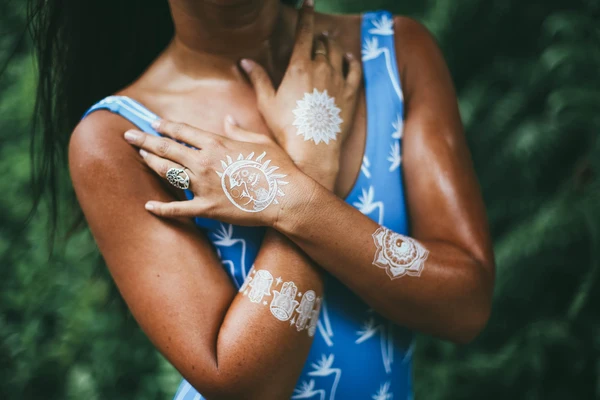
Contrast matters with black-and-white transfers. Matte-black areas create strong definition, while white designs can appear softer against some skin tones or lighting conditions. Test the contrast in natural daylight if possible. White transfers often gain definition when positioned near dark linework, but they should never be used simply to fill an empty patch.
Think about scale as well as subject. A pattern that looks generous on a flat sheet may become crowded across the forearm, while a tiny symbol can lose its impact when enlarged across the upper arm. Pair designs with different visual weights, then check that they can follow the changing width of the arm without becoming compressed at the wrist or elbow.
Draw a simple map on paper before removing any transfers. Mark the wrist, elbow and upper arm, then sketch the approximate position and size of each design. For bends around the shoulder, elbow or knee, the curved-area application guide explains how to keep the transfer aligned and the edges smooth.
Prepare the skin with a clean, dry and oil-free surface. Avoid applying lotion immediately beforehand, and do not use a transfer on broken, irritated or freshly shaved skin. Follow the product instructions carefully, press the sheet into place as directed and peel it back slowly. Keep the area free from rubbing, swimming, saunas and intense heat for the recommended settling period, especially on humid days or during active outings.
Run through these checks before opening the sheets. They make it easier to judge the overall composition while the transfers are still separate rather than trying to correct a crowded sleeve after everything is in place.
Test the arrangement first, then commit to the strongest pieces. Natural light and movement will reveal spacing problems that are easy to miss on a bedroom floor.
Artist-designed collections give the sleeve its individual character, and the artist drawing notes reveal why the hand-drawn details and graphic compositions work so well on temporary tattoo paper. Apply the anchor first, photograph it from several angles, and then build the smaller transfers around it. This lets you check the balance as the sleeve develops and prevents the entire arm from becoming too busy.
After wear, remove the transfers gently rather than picking at the edges. Warm water, body oil and slow washing usually lift stubborn sections more effectively than scraping. If a transfer lifts early, keep the remaining area dry and avoid replacing it over irritated skin. For a longer-lasting result, schedule the sleeve around days when you are not wearing tight sleeves, carrying heavy bags across the arm or spending long periods in the water.
Choose your anchor design now, add supporting sheets that share its visual language, and build a temporary arm sleeve that feels deliberate from shoulder to wrist.
Posted on
Posted on
Posted on

Posted on

Posted on

Posted on
Posted on