Temporary Tattoo Collection Donates 50% to Animal Rescue!
Posted on

Posted on
Posted on
Spontaneous decisions often look better in the mirror than they do three hours later. A bold sleeve you applied before heading to a rooftop bar in Sydney might feel out of place the moment you spot your boss across the room. Or the geometric arm piece that seemed perfect for a Byron Bay festival weekend could clash with a Monday morning boardroom. Temporary tattoos exist precisely so you can experiment without commitment, but even a short-lived design can overstay its welcome when the event, outfit, or mood shifts.
Modern black-and-white temporary tattoos use skin-safe adhesives that bond tightly to the outer layer of skin. That bond is what keeps a hand-drawn geometric or matte black pattern looking crisp for up to a week, yet it is also what makes removal feel stubborn. The good news is that with the right household products, you can lift almost any temporary tattoo in under ten minutes. The trick is matching the method to the style, the location, and how long the design has been sitting there.
This guide covers the fastest, gentlest ways to reverse a temporary tattoo decision. Whether you are dealing with a fresh piece applied an hour ago or a delicate white design that has started to fade unevenly across your collarbone, the steps below will help you start fresh without irritating your skin.
Oils are the single most reliable weapon against the acrylic-based adhesives used in premium temporary tattoos. Baby oil, coconut oil, olive oil, and even a plain body moisturiser all help dissolve the glue and loosen the pigment. Apply a generous layer directly onto the design, massage in slow circles for sixty seconds, then wipe away with a warm damp cloth. Most simple patterns will flake off before your second pass. For thicker pieces, such as the arm patterns often chosen for a beach shoot at Bondi, repeat the oil massage two or three times until the ink transfers onto the cloth.
The oil method works particularly well on large flat areas like forearms, shoulders, and calves. Australian summer humidity helps here: the natural moisture on your skin lets the oil spread more evenly, which means less rubbing and less redness. If you are removing a tattoo from a sensitive zone like the inner arm or behind the ear, swap baby oil for a fragrance-free cleanser and warm water first to avoid stinging.
Sticky residue lifts off faster when you attack the bond mechanically before applying any liquid. Medical adhesive tape, regular packing tape, or even a strong lint roller can pull away the top layer of a temporary tattoo in seconds. Press the tape firmly over the design, smooth it down with your thumb for ten seconds, then peel it back in one quick motion. The ink should lift with the adhesive, especially if the tattoo was applied within the last four hours.
For tougher residue left behind after the main image has gone, reach for an adhesive remover designed for cosmetic use. Products containing cyclomethicone or octyldodecanol are widely available at Chemist Warehouse and Priceline stores across Melbourne and Brisbane. Apply a small amount to a cotton pad, press it against the sticky patch for fifteen seconds, then wipe clean. This approach is also the safest way to clear leftover adhesive around the edges of a tattoo before you shower or apply sunscreen the next morning.
Sometimes a tattoo has been on long enough that the edges have started to merge with the skin. This is common with detailed designs on areas that flex a lot, such as the thigh and hip placements popular for festival season. In these cases, oil and tape alone will not be enough, and you need a controlled scrub to lift the last traces.
Mix a teaspoon of fine sea salt with a tablespoon of olive oil to make a paste. Using the pads of your fingers, rub the mixture over the remaining pigment in short, firm strokes for about a minute. The salt provides mild abrasion while the oil keeps the skin from drying out. Rinse with lukewarm water and pat dry. Repeat once if needed. Avoid using body scrubs that contain crushed nut shells or apricot kernels, as the jagged particles can micro-tear the skin and leave you with redness that lasts longer than the tattoo would have.
Different designs call for different removal techniques. The following breakdown summarises the most reliable options so you can pick the right one without wasting time. Match your tattoo's age and finish to the best column, and you will have clear skin in minutes rather than hours.
| Method | Time needed | Best for | Skin sensitivity |
|---|---|---|---|
| Baby or coconut oil | 2 to 5 minutes | Standard black tattoos and matte finishes | Very low |
| Micellar water or cold cream | 1 to 3 minutes | White, metallic, and pale-skin designs | Low |
| Medical or packing tape | 30 seconds | Fresh tattoos applied within 4 hours | Low |
| Salt and oil scrub | 5 to 10 minutes | Stubborn residue on large hip or thigh pieces | Medium |
| Rubbing alcohol | Under 1 minute | Very stubborn adhesive residue | High |
When in doubt, start with the gentlest option first. Move to a stronger method only if the design is still visible after two full attempts.
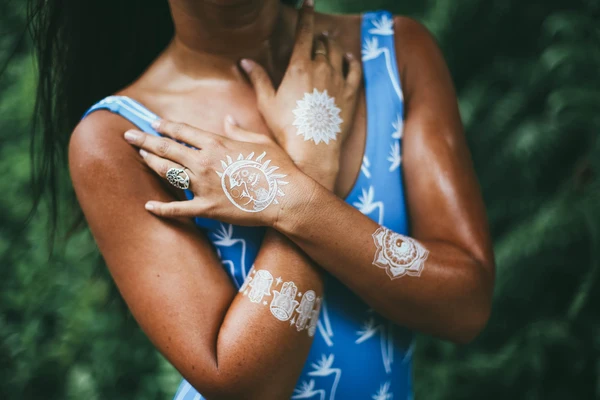
White temporary tattoos and metallic finishes use a different pigment base that does not respond well to oil. The white layer is essentially a translucent cosmetic pigment that sinks into the top layer of the skin rather than sitting on top of it. Rubbing it usually smears the design into a cloudy patch rather than removing it. Cold cream, micellar water, or a non-oily make-up remover is a much safer choice. Soak a cotton pad, hold it over the design for thirty seconds, then wipe gently without rubbing.
This is the same advice shared in our white tattoo guide, since the pigment is designed to interact with very light complexions. If you need to remove one completely, plan on two or three gentle sessions over a day rather than a single aggressive scrub. Hydrate the area with a water-based moisturiser between sessions so the skin barrier can recover.
Treat the freshly cleaned area like you would after waxing. Rinse with cool water, apply a fragrance-free moisturiser, and avoid active ingredients such as retinol or alpha-hydroxy acids for the next twelve hours. If you removed a piece from a sun-exposed area like the shoulder or chest, layer on a broad-spectrum SPF 50+ before heading out, since freshly exfoliated skin photosensitises quickly. Australian sun is unforgiving even on a mild spring morning in Adelaide, so reapply every two hours if you are spending time outdoors.
Within a day, the skin should feel completely normal and you are free to either reapply a new design or skip temporary tattoos altogether for a while. Browse the seasonal collections and featured artist drops to find a piece that better matches the occasion, and keep an eye on your inbox for member-only discounts on new releases.
Posted on
Posted on
Posted on

Posted on

Posted on

Posted on
Posted on