Temporary Tattoo Collection Donates 50% to Animal Rescue!
Posted on


Posted on
Posted on
White temporary tattoos can look striking in product photography yet appear faint after application to very light skin. This is usually a contrast issue rather than a flaw in the artwork. Pale skin has a naturally bright surface, so a white tattoo may blend into its undertone instead of creating the sharp visual separation people expect.
The question “Why Our White Tattoos Look Invisible on Pale Skin: Solutions” has a few practical answers. Transfer pressure, skin preparation, lighting, body location, and the tattoo’s finish all affect how clearly the design appears.
Pure Tatts creates detailed temporary designs for people who want the look of body art without a permanent commitment. With a few adjustments, white ink can become more visible, cleaner, and longer-lasting on fair complexions.
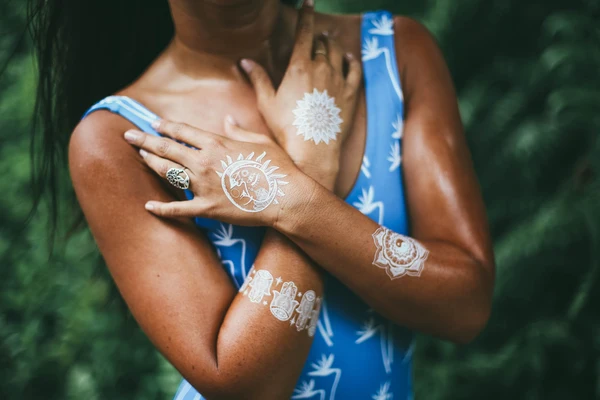
White pigment reflects a large amount of light. On pale skin, particularly skin with cool or neutral undertones, there may be very little tonal difference between the tattoo and the surrounding area. The design is present, but the eye does not register enough contrast to define every line.
Lighting can intensify this effect. Direct sunlight may make a white tattoo look clearer for a moment, while soft indoor light can make it seem almost absent. Camera exposure, flash, and editing can also exaggerate brightness, which explains why an online image may appear more dramatic than the real-life result.
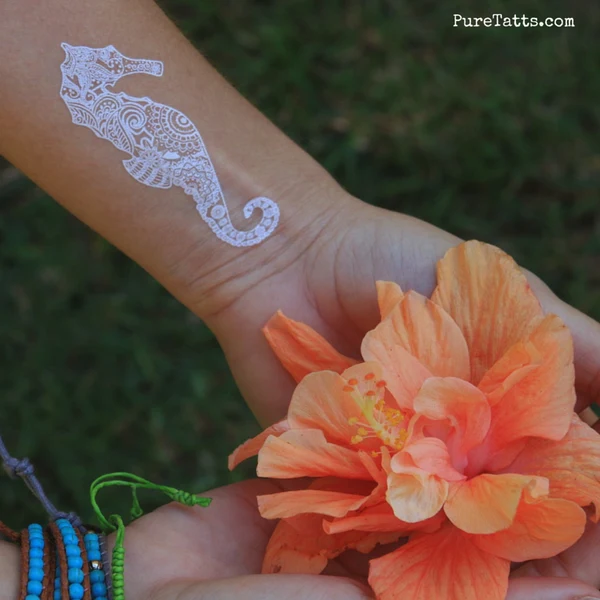
The design itself matters too. Fine geometric lines and delicate hand-drawn details can be subtle when printed in white. A larger shape, broader stroke, or layered motif generally shows more clearly than an intricate pattern made from very thin lines.
Oil, lotion, sunscreen, and natural moisture can prevent a temporary tattoo from transferring evenly. On pale skin, an incomplete transfer is especially noticeable because missing areas break up the already-low contrast. Apply the tattoo to clean, dry skin that is free from body oil and heavy skincare products.
Gently wash the area and dry it thoroughly before removing the backing. Avoid applying moisturizer immediately beforehand. If the skin is rough or flaky, exfoliate gently several hours earlier rather than directly before application. Freshly irritated skin can hold moisture unevenly and may cause the tattoo to lift at the edges.
Placement also affects visibility. The inner wrist, upper chest, shoulder, and outer forearm may provide a smoother, more even surface than areas with fine hair, frequent movement, or friction from clothing. A flat section of skin helps the full design transfer with consistent pressure.
Press the tattoo firmly and evenly against the skin. Instead of rubbing only over the central image, use the flat part of your fingers to cover the complete design, including the corners and narrow outer lines. Follow the product directions for water application and allow the paper to become fully saturated before lifting it away.
Do not slide the backing while it is wet. Movement can blur fine details or create small gaps in the transfer. After removing the backing, let the tattoo dry naturally for a few minutes before touching it, dressing, or applying anything over the surface.
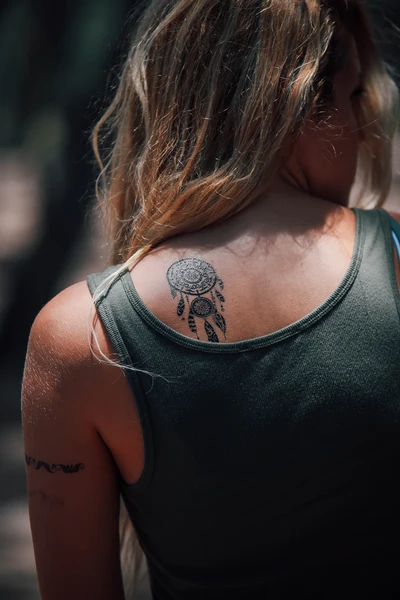
If the design is still too subtle, contrast can be built around it rather than on top of it. A temporary black tattoo placed nearby can frame a white design and make its shape easier to see. Pure Tatts’ matte black collection offers bold, low-shine styles that can create this balanced monochrome effect.
White tattoos are not equally visible on every pale complexion. Cool undertones with pink, blue, or red hints may make pure white ink appear softer, while warm undertones can provide slightly greater separation. A matte surface may also look more defined than a glossy one because it reflects less light.
The following comparison can help when choosing a design, placement, or supporting shade:
| Choice | How It Appears On Pale Skin | Best Use | Visibility Tip |
|---|---|---|---|
| Pure white fine lines | Soft and understated | Minimalist details | Choose a larger design or smooth skin |
| Pure white bold shapes | Clearer and more graphic | Symbols, bands, and statement motifs | Apply with firm, even pressure |
| Matte black | High contrast and distinct | Long-lasting visual impact | Use alone or beside white ink |
| White with black accents | Balanced and artistic | Layered or geometric compositions | Keep the darker elements near key lines |
| White on a lightly tanned area | More noticeable | Summer styling and exposed skin | Apply after tanning, not before |
| White under soft indoor light | Very subtle | Low-key personal styling | Check the look in natural daylight |
Testing a small design first can prevent disappointment. Choose a less visible area, prepare it carefully, and examine the result in daylight and indoor lighting. This gives a more accurate idea of how the pigment will appear on your specific undertone.
Friction is one of the fastest ways to reduce definition. Tight sleeves, watchbands, backpack straps, and repeated contact with bedding can wear down a white temporary tattoo before the design has had time to settle. Place it where clothing will not constantly rub across the image.
Water exposure does not always remove a temporary tattoo immediately, but repeated soaking can soften its edges. Sweat, salt, chlorine, and sunscreen can also affect adhesion. For warm conditions, follow these hot-weather care tips to help preserve the transfer and its fine details.
Pat the area dry instead of rubbing it with a towel. Avoid applying oils directly over the tattoo, and keep exfoliating products away from the design. When washing, use gentle movements and allow the skin to dry naturally whenever possible.
For a barely-there aesthetic, white ink can be exactly the right choice. It looks refined, modern, and intentionally understated, especially on the collarbone, shoulder, or upper arm. Designs with open space and strong silhouettes tend to remain readable without losing their delicate quality.
For greater visibility, choose bold outlines, larger motifs, or compositions with filled sections. Geometric designs with repeated shapes can also work well because their structure remains recognizable even when individual lines are subtle. Avoid placing very fine white artwork over freckles, scars, dense hair, or areas with strong texture.
Black-and-white combinations offer the most flexibility. A white accent can soften a matte black design, while black details can define the edges of a white motif. This gives you the artistic contrast of layered body art while keeping the temporary application easy to change.
White temporary tattoos are designed to create a softer visual effect, so some subtlety is part of their appeal. When one appears invisible on pale skin, the issue is usually contrast, incomplete transfer, harsh lighting, or unsuitable placement rather than the concept itself. Better preparation and a more carefully chosen design can make a noticeable improvement.
Explore Pure Tatts’ monochrome artwork and choose a finish that suits your complexion, style, and setting. Apply your favorite white design to clean, dry skin, protect it from friction, and add a bold black accent when you want the artwork to stand out.
Posted on
Posted on
Posted on

Posted on

Posted on

Posted on
Posted on