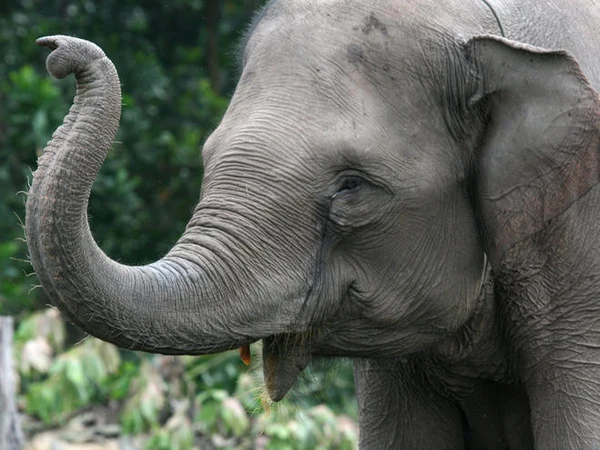
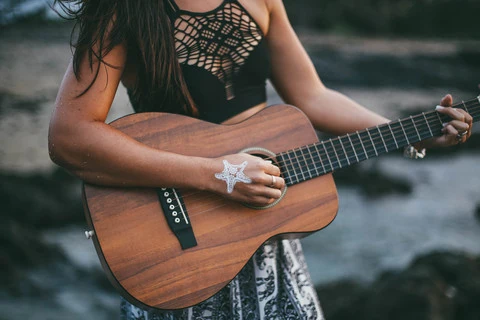
Temporary Tattoo Collection Donates 50% to Animal Rescue!
Posted on

Posted on
Posted on
Australia's wellness scene has a quiet pull when it comes to yoga retreats. From Byron Bay's hinterland studios to the breezy coastal shalas of Bali, where many Sydneysiders and Melburnians travel, the visual language of practice often extends beyond the mat. Temporary tattoos have become part of that aesthetic, particularly when the marks chosen carry zen-inspired symbolism. For those wanting body art that travels well and washes off cleanly, this approach offers flexibility and meaning in equal measure.
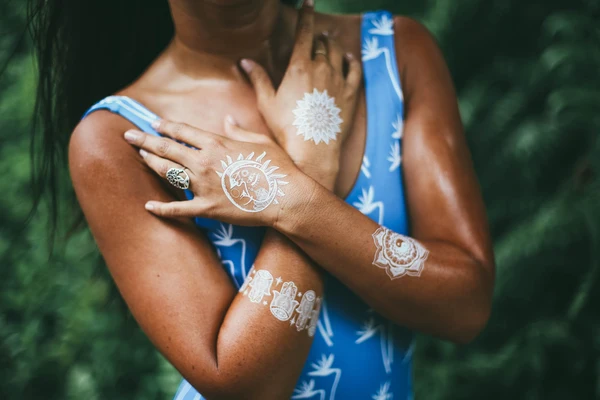
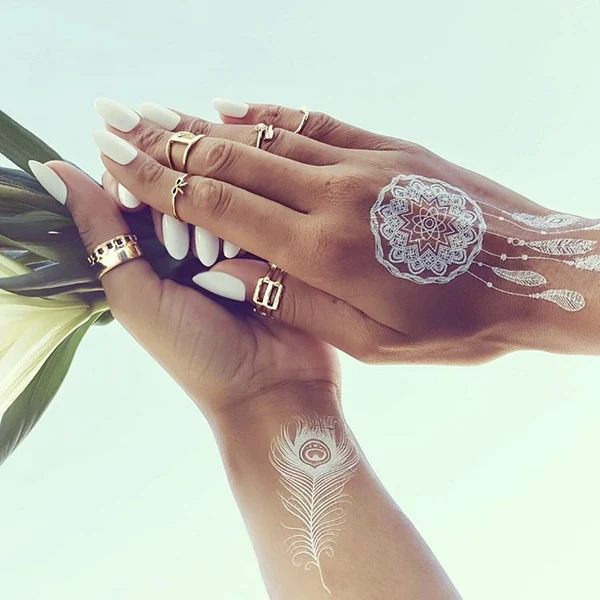
The rise of black-and-white temporary tattoo brands like Pure Tatts has made it easier to wear minimalist linework, mandalas, lotus blooms, and sacred geometry for a weekend retreat or longer immersion. These pieces feel more thoughtful than a stick-on butterfly and sit naturally with linen, breathwork, and the slow mornings that define practice on the coast. Below is a guide to choosing, placing, and caring for zen-inspired marks that complement any retreat.
Yoga retreats are short, intentional experiences. Many participants prefer not to commit to permanent body art right before a trip, especially when the retreat includes ritual, meditation, or sweat practices like hot yoga. Temporary tattoos offer the visual symbolism without the long-term decision. They fade gradually, so a mark meant to anchor one retreat can be replaced by a different design at the next.
Practice also involves contact during floor work like downward dog or pigeon. Heavily textured permanent tattoos can catch on clothing or feel uncomfortable under pressure. A flat temporary tattoo sits smoothly against the skin and does not interfere with breath. For retreat-goers in places like Margaret River or the Noosa hinterland, that comfort matters as much as the design.
Temporary marks photograph well in the group shots, sunrise meditations, and shared meals that define retreat culture. A small lotus or enso circle ties into the theme without the regret of a permanent choice once the holiday ends.
Zen-inspired design leans into simplicity, balance, and natural forms. Lotus flowers are popular because they symbolise growth rising from muddy water, a metaphor many practitioners connect with their journey. Mandalas drawn in fine linework echo the circular motion of breath and the cyclical nature of intention-setting. The hamsa hand, the enso circle, and small geometric triangles sit comfortably within this visual vocabulary.
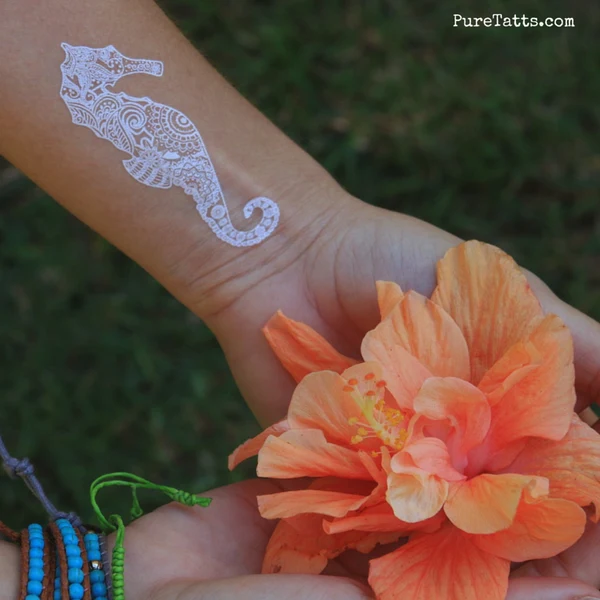
Designers working in the black-and-white space, including the artists behind Pure Tatts, often reinterpret these symbols with hand-drawn detail. A lotus might appear as a single stem rather than a shaded bloom, and a mandala might read as an open ring rather than a dense pattern. This restraint suits the clean aesthetic of a yoga retreat and photographs well against linen and the muted tones favoured by wellness brands in suburbs from Paddington to Fortitude Valley.
For something less overtly spiritual, fine line waves, crescent moons, or single-stroke landscapes carry the same calm energy. The key is choosing a motif that feels personal rather than decorative, so the mark holds meaning through a long savasana.
Placement matters as much as design during active practice. The inner wrist is a common spot because it stays visible during meditation and is easy to admire during breathwork. The forearm and shoulder blade offer more canvas for larger mandalas, and the ankle suits smaller marks like crescent moons or simple lines.
If the practice involves floor work, ankle placement is less likely to catch on mats. For retreats with paddleboard yoga on the harbour or beach sessions, an ankle design reads well in action shots and bare feet. The foot and ankle placement guide covers the most flattering options and how to size them for the foot's curve.
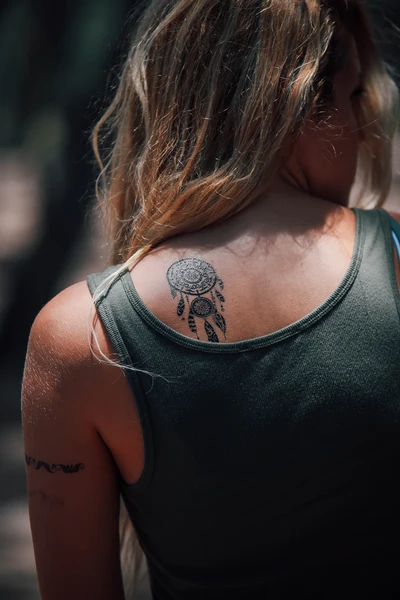
The spine and lower back work for elongated motifs, particularly for savasana photos where the practitioner lies still. A fine line along the spine echoes the body's natural axis and looks striking against simple cotton. The ribcage, harder to photograph during active poses, makes a meaningful spot for marks intended for personal reflection.
Most temporary tattoos last between two and seven days, depending on placement, skin type, and friction. For a weekend retreat, a piece applied to an area with less movement, like the upper back or shoulder, usually holds through multiple practices, swims, and showers. Areas with more contact, such as the inner wrist or palms, fade faster because of frequent washing.
To get the best wear, the skin should be clean and dry before application, and the tattoo pressed firmly with a damp cloth for the recommended time. Avoiding oil-based moisturisers on the area for the first few hours helps the adhesive settle. For retreats in humid Australian summers, especially along the Queensland coast, this step matters, as sweat can lift edges before the design has set.
Pack a small cloth and gentle soap for cleaning around the tattoo each morning. Harsh scrubbing shortens its life, while a light pat-dry keeps it looking fresh through the final group circle.
Clothing at yoga retreats tends toward soft, breathable fabrics in muted colours. Linen pants, cotton tanks, and wrap styles dominate, particularly in warmer Australian retreats from Byron Bay to Broome. Temporary tattoos in black ink stand out against these tones, while white tattoos can disappear into lighter fabrics if not placed thoughtfully.
Layering kimono-style wraps highlight the upper arm or chest, so tattoos in those spots become a focal point. A wrist mark pairs well with stacked bangles, though metal and beads can lift edges if the tattoo is fresh. Many practitioners leave jewellery off during the first day, then reintroduce accessories once the design has fully set.
For themed retreats, such as sound healing weekends or silent meditation immersions, marks that echo the practice deepen the experience. A moon phase design suits a lunar-themed gathering, while a single wave fits a coastal retreat in Manly or a beachfront shala overseas. The mark becomes part of the wardrobe of intention.
When the retreat ends, most temporary tattoos begin lifting on their own over the following days. Gentle exfoliation with a soft cloth speeds the process, and an oil-based cleanser is often the easiest way to break down the adhesive without irritating rested skin. Many travellers use coconut or jojoba oil, especially after a week of plant-based meals that leave the skin slightly more sensitive.
The oil-based cleanser removal guide walks through the gentlest methods and which oils to avoid near the eyes or freshly shaved areas. For marks set into dryer patches of skin, leaving the oil to sit for a minute before wiping helps lift fine detail without scrubbing.
After removal, a light unscented moisturiser keeps the skin balanced. Caring for the skin post-retreat is itself a small ritual, a quiet return to the everyday after days of intention.
Browse the Pure Tatts collection of zen-inspired temporary tattoos, from delicate wrist pieces to detailed mandalas, and find a mark that travels with your next retreat. Sign up to the email list for early access to artist drops, seasonal collections, and exclusive offers before each release hits the main store.
Posted on
Posted on
Posted on

Posted on

Posted on
Posted on
Posted on