Temporary Tattoo Collection Donates 50% to Animal Rescue!
Posted on


Posted on
Posted on
Temporary tattoos make it easy to experiment with bold artwork, delicate linework, or a new personal style without permanent commitment. When you are ready for a fresh design, an oil-based cleanser can loosen the tattoo film and dissolve the adhesive gently, often without the scrubbing and irritation caused by harsher methods.
The process is simple, but a little patience makes a difference. Oil needs time to soften the transfer, especially when the design has been applied to clean, dry skin and allowed to set fully. A cotton pad, soft washcloth, or clean fingertips can then lift away the remaining pigment.
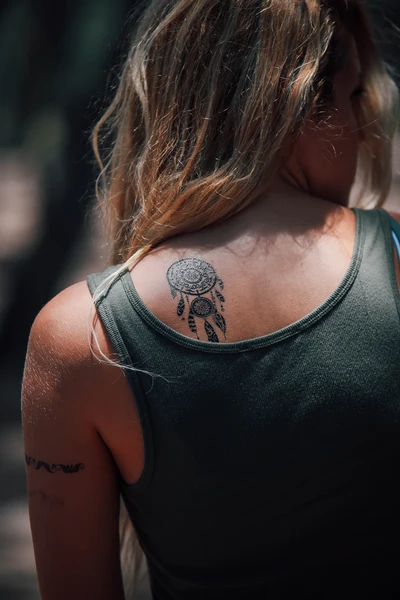
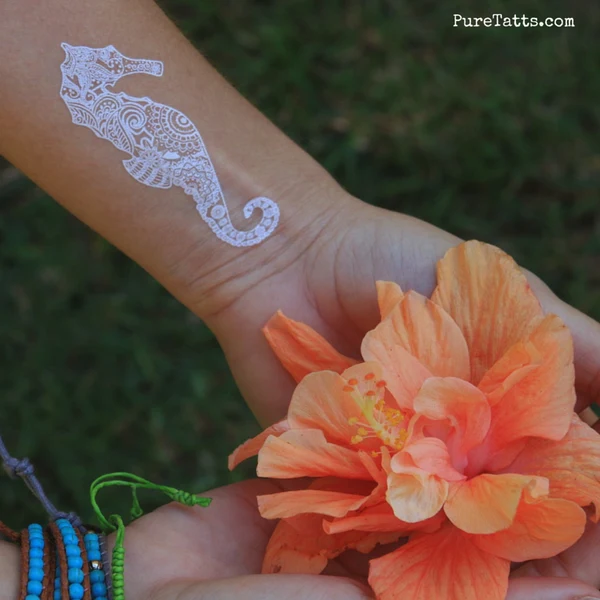
This method works well for detailed black designs, white temporary tattoos, and matte finishes. It is also easy to include in an evening skincare routine, making tattoo removal feel like a small act of self-care rather than a rushed chore.
Most temporary tattoos use a thin decorative film held against the skin by an adhesive layer. Oil-based cleansers can break down that adhesive and reduce the grip between the design and the skin’s surface. As the film softens, it becomes easier to roll or wipe away.
Choose a cleansing oil, balm cleanser, baby oil, mineral oil, or a simple plant-based facial oil. Products containing ingredients such as jojoba oil, sunflower oil, squalane, or coconut-derived emollients may work well, although richer formulas can leave a more noticeable residue.
The cleanser does not need to be abrasive to be effective. Rubbing too firmly can cause redness while leaving some pigment behind. Gentle pressure and repeated application are usually safer than trying to remove everything in one pass.
Start with clean hands and inspect the tattooed area. If the skin is sunburned, freshly shaved, irritated, or broken, wait until it has recovered. Applying oil to compromised skin may increase discomfort, particularly if the formula contains fragrance or essential oils.
Gather the oil cleanser, a cotton round or soft cloth, and lukewarm water. If the design is close to the eyes, lips, or another sensitive area, use a fragrance-free product designed for that region and keep the cleanser away from the eye itself.
If you are using a new skincare product, test a small amount on another area first. Leave it for several minutes and watch for stinging, itching, or redness. This extra step is useful for sensitive skin and helps prevent confusing an allergic reaction with normal adhesive removal.
Apply a generous layer of oil directly over the design. Massage it lightly with your fingertips or press an oil-soaked cotton pad onto the tattoo for 30 to 60 seconds. This contact time allows the cleanser to reach the adhesive instead of simply sliding over the surface.
Use small circular motions to loosen the edges. Once the film begins to lift, wipe from the outside toward the center with a soft cloth or cotton pad. Avoid scraping with fingernails, as this can create tiny scratches and make the skin feel sore.
For a stubborn transfer, apply another layer of oil and wait a few minutes before wiping again. Some highly detailed tattoos have narrow lines that release gradually, so several gentle passes are preferable to one aggressive scrub.
| Removal Method | Best For | Skin Feel | Useful Note |
|---|---|---|---|
| Cleansing oil | Most temporary tattoo designs | Soft and moisturized | Allow time for the oil to dissolve adhesive |
| Balm cleanser | Thick or stubborn transfers | Rich and nourishing | Emulsify with water after massage |
| Baby oil | Simple body applications | Slippery and smooth | Wash away residue thoroughly |
| Micellar water | Light leftover pigment | Fresh and lightweight | May need several passes |
| Soap and warm water | Faint remnants | Clean but potentially drying | Better as a finishing step than a first choice |
After the artwork has been removed, rinse the area with lukewarm water. If the oil cleanser is designed to emulsify, add a little water and massage until it turns milky before rinsing. For non-emulsifying oils, follow with a mild body wash or gentle facial cleanser.
Pat the skin dry instead of rubbing it. A small amount of leftover color may appear on the towel, especially with dark or matte black designs. This is normal and usually disappears after a final gentle cleanse.
Finish with an unscented moisturizer or a lightweight body lotion. Hydration helps the skin recover from repeated cleansing and keeps the area comfortable. If you notice persistent burning, swelling, or a rash, stop using the product and rinse the area thoroughly.
Black temporary tattoos often leave the most visible residue because their pigment creates a strong contrast with the skin. Matte black artwork can also appear especially dense, so it may require an extra application of oil. The removal process remains the same: soften, wait, wipe, and cleanse.
White temporary tattoos can be harder to see during removal, particularly on light skin. Check the area under good lighting and run clean fingertips over it to detect any remaining film. Do not keep scrubbing simply because the design is difficult to see.
For ideas on styling and caring for a bold monochrome look, explore matte black designs. Understanding the finish and placement can help you plan both wear time and a comfortable removal routine.
Changing body art can become part of a broader personal-care routine. Removing an old design before applying a new one gives the skin a chance to breathe and creates a clear transition between different moods, outfits, or creative themes.
A few quiet minutes with cleansing oil, warm water, and moisturizer can feel more intentional than rushing through the process. This approach also encourages you to check the condition of your skin before choosing the next placement.
Pure Tatts explores this connection between adornment and wellness in its guide to temporary tattoo self-care. The same mindful approach applies when selecting your next piece: consider how it fits your routine, wardrobe, and comfort level.
Avoid alcohol, acetone, abrasive scrubs, and rough sponges unless a healthcare professional specifically recommends them. These products may remove adhesive quickly, but they can also strip the skin’s protective barrier and cause unnecessary dryness.
If you are planning to replace the design immediately, wait until the area is clean, calm, and completely dry. Browse where to buy Pure Tatts when you are ready to choose another artist-created piece for your next look.
Oil-based removal is gentle, accessible, and effective when given enough time to work. Treat the skin with the same care you give the artwork: soften the adhesive, avoid force, cleanse away residue, and moisturize afterward. With that routine, switching from one temporary tattoo to another stays comfortable and creative.
Posted on
Posted on

Posted on

Posted on

Posted on

Posted on
Posted on