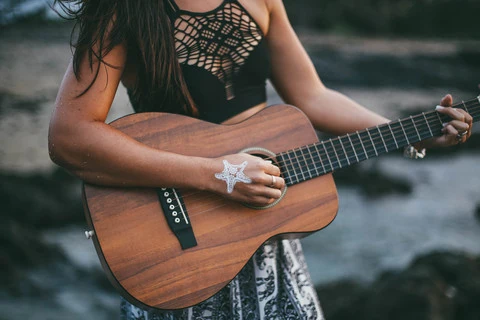
Temporary Tattoo Collection Donates 50% to Animal Rescue!
Posted on
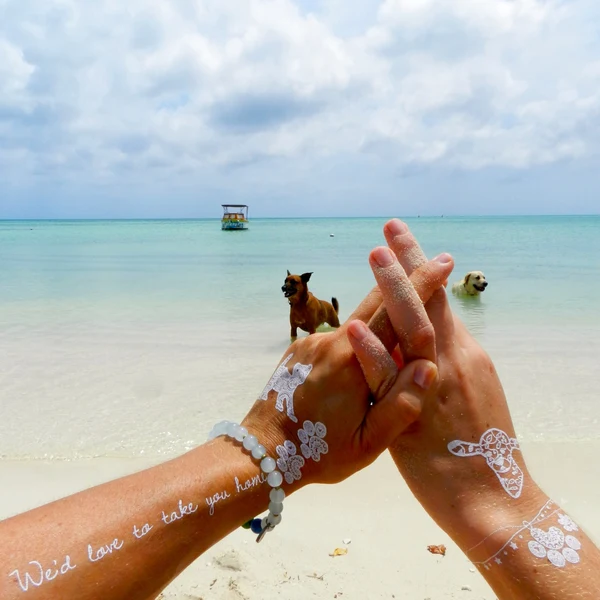

Posted on
Posted on
Temporary tattoos suit a Friday night in Sydney, a weekend market in Melbourne, or a coastal photo shoot in Byron Bay. When the design stops matching your mood, though, scrubbing at your arm until it stings is rarely the best answer. Aggressive rubbing inflames the outer layer of skin, can leave a pink mark for days, and often pushes the dye deeper instead of loosening it. A gentler approach keeps the artwork intact while it sits on your body, then lifts it cleanly when you are ready for a fresh look.
Most modern temporary pieces, including the minimalist and matte black ranges popular with Australian buyers, use a water-activated adhesive that sits on top of the stratum corneum rather than staining it. The bond can usually be weakened with the right solvent, warmth, or patience. The trick is matching the method to the placement, the wear time, and how reactive your skin tends to be after a long day in the sun or under festival glitter.
Temporary inks grip the outermost dead skin cells through a thin polymer or gum-based adhesive. Sweat, sunscreen, and a long afternoon of a coastal walk along Bondi help the edges lift naturally, which is why older pieces peel at the corners first. The centre holds on longer because the adhesive has fused more thoroughly with the oils in your skin.
Because the bond is mechanical rather than chemical, the goal during removal is to soften or dissolve the polymer, not to drag it off. Oil, alcohol-based liquids, or warm moisture work faster because they slip between the adhesive and the skin, breaking the grip from underneath. Water alone rarely does the job, especially with the highly pigmented matte black styles that use denser pigment loads to give a realistic inked look.
Baby oil, coconut oil, and fragrance-free mineral oil are the most accessible options for Australian households, and they tend to live in the bathroom cupboard already. Slick a generous layer over the tattoo, let it sit for sixty to ninety seconds, and the polymer begins to swell. A soft cloth or cotton pad can then coax the design off in one sheet rather than in frustrating flakes.
Micellar water and cream-based make-up removers work almost as well, especially on smaller placements behind the ear or on the wrist. Balms containing shea or beeswax are particularly good at gripping the loosened ink so it does not smear across neighbouring skin, which matters if you have layered two designs and only want to take one off. If your skin reacts easily, patch test the oil on the inside of your forearm first, particularly after a day of reapplying SPF 50+.
For pieces that have started to lift at the edges, a piece of wide medical tape pressed over the design and pulled away in one smooth motion can take the whole tattoo with it. Press the tape down firmly, leave it for ten to fifteen seconds so the adhesive grabs, then lift from a low angle rather than straight up. This works well on flatter surfaces like the forearm, calf, or upper back.
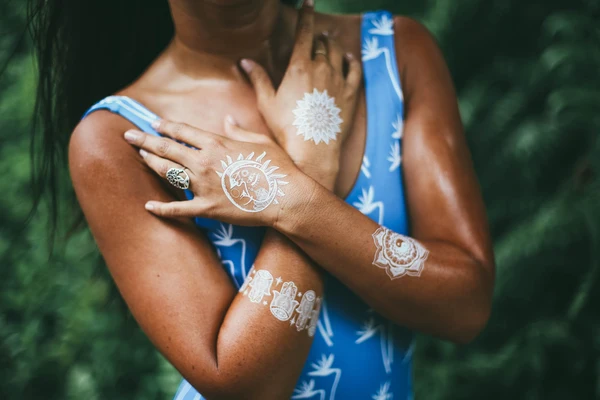
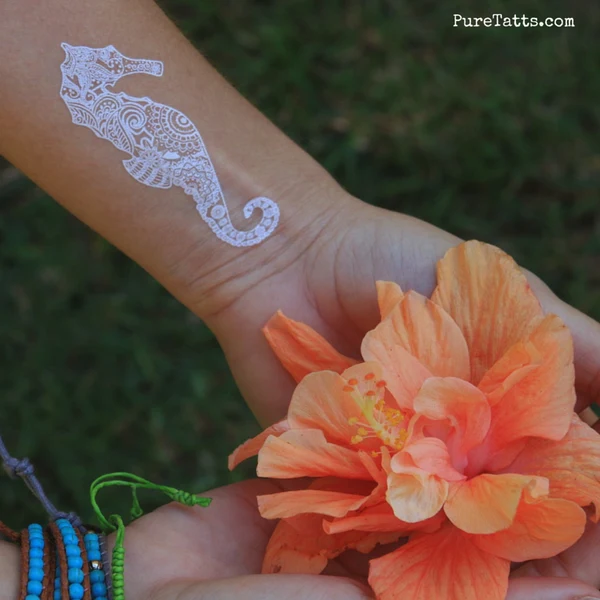
A warm damp flannel laid over the design for two or three minutes does the same job with no friction at all. The heat softens the adhesive, the moisture lifts the pigment, and the design often slides off as one piece onto the cloth. Avoid alcohol-based wipes, which can leave the surrounding skin dry and tight before you apply sunscreen the next morning. For delicate pieces such as the white special edition designed by Emily Deechaleune, the low-friction approach keeps any redness to a minimum.
Matte black designs and heavily pigmented geometric styles grip the skin more firmly than the lighter ranges, because there is more adhesive holding more pigment. A short soak in a warm bath, or holding a warm wet towel against the area, breaks down that bond without any rubbing. The Therapeutic Goods Administration in Australia classifies temporary tattoo inks as cosmetics, so a clean bath with plain water is perfectly safe for the skin underneath.
Steam works on the same principle. Holding the tattooed area over a bowl of hot water, or letting a long shower run over the placement for several minutes, is enough to soften most adhesives. A soft flannel or clean make-up pad can then lift the design with almost no pressure. This is also useful if you have worn the tattoo for several days, such as across a long weekend in Noosa, and the edges have started to embed into the outer skin.
Once the design has lifted, there is almost always a faint outline left behind. A squirt of micellar water or a light touch of make-up remover on a cotton pad lifts the last of the pigment without the need to scrub. Avoid going back to the same cloth you used for removal, because it can redeposit dye onto a neighbouring area. After cleaning, rinse with lukewarm water and pat dry rather than rubbing.
A light layer of unscented moisturiser or aloe vera helps the skin recover, particularly if you have been in the sun or in salt water. Australian-made soothing balms with calendula are easy to find at chemists across Sydney and Melbourne and tend to be gentler than heavily perfumed lotions. If you plan to reapply sunscreen or a fresh tattoo the next day, leave at least an hour between removal and the next application, and skip exfoliants, retinoids, and active serums on the area for the rest of the day. For ideas on where to place your next piece so removal is even easier, the placement guide is worth a read before you commit to a fresh design.
When you are ready to refresh your collection, the support team is on hand for sizing, placement tips, and product care so your next piece sits beautifully and comes off just as cleanly when the moment has passed.
Posted on
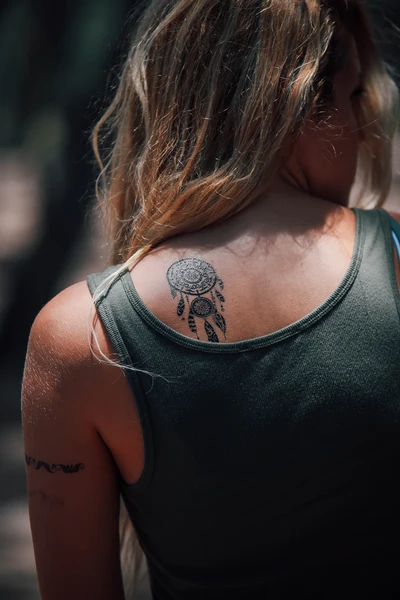
Posted on
Posted on

Posted on

Posted on

Posted on
Posted on