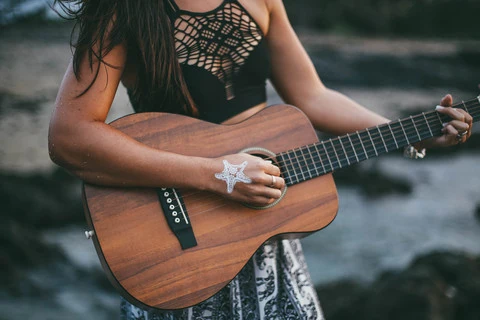
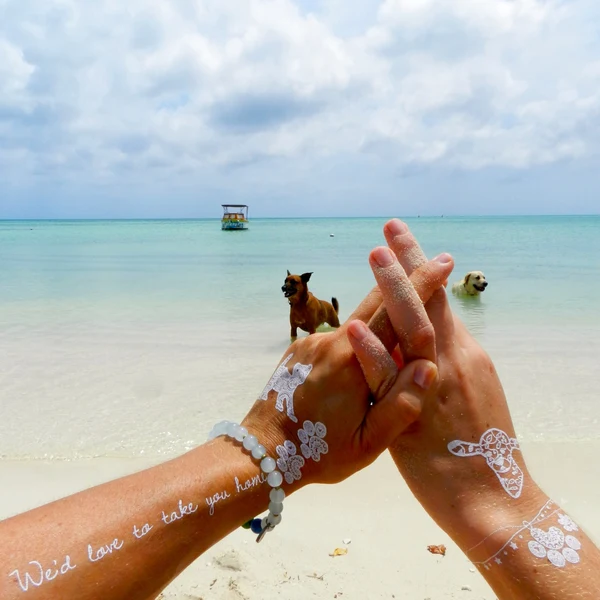
Temporary Tattoo Collection Donates 50% to Animal Rescue!
Posted on

Posted on
Posted on
Heading out for a Sunday brekkie in Newtown or lining up for a music festival in Byron, plenty of Aussies are reaching for temporary tattoos as a low-commitment way to try out a new look. The catch is that not all skin holds ink the same way, and the same design can behave wildly differently depending on whether you're dealing with oily, dry, combination or sensitive skin. Understanding how your skin type affects wear time helps you pick the right product, prep properly, and avoid the heartbreak of a crisp geometric piece melting off after one dip in the ocean.
The reality is that most modern temporary tattoos, especially the detailed black-and-white styles from brands like Pure Tatts, are engineered to last somewhere between three and seven days under decent conditions. That window can shrink to a day or stretch past a week depending on what is happening on the surface of your skin. Sebum production, hydration levels, pH balance, and even the thickness of your stratum corneum all play a part. Once you understand these factors, choosing between a glossy white motif, a fine geometric line, or a bold matte black piece becomes a much smarter decision.
Temporary tattoos rely on adhesion between the printed design and the outermost layer of your skin, often using water-activated transfer technology. For that bond to stay strong, the surface needs to be clean, dry, and relatively smooth. When your skin throws variables into the mix, like excess oil, dry patches, or microscopic roughness, the adhesive struggles to lock in evenly. The result is patchy lifting along the edges, premature fading in the centre, or transfer marks that never quite settle in the first place.
Skin type also affects how the pigment itself appears once transferred. Oily skin can make blacks look slightly washed out or give white designs a translucent sheen. Dry skin, on the other hand, can cause fine lines to crack and flake long before the adhesive gives up. People with combination skin often notice the worst wear in their T-zone, where the forehead and nose produce more sebum while the cheeks remain parched. Mapping these patterns helps predict where a design will hold best and where you will need a touch-up strategy.
If you have oily skin, you have probably noticed makeup sliding off your nose by lunchtime, and temporary tattoos behave in a similar fashion. Sebum creates a thin film between the adhesive and your skin, which weakens the bond from the moment you apply the transfer. Designs that go across the T-zone, the jawline, or the upper back tend to lift fastest because these areas pump out the most oil. Bondi beach sessions and sweaty gym workouts in summer only accelerate the process.
The trick is working with your skin rather than against it. Cleanse the area thoroughly with an oil-free wipe or micellar water before application, then wait a minute or two for the surface to feel tacky rather than slippery. A light dusting of translucent powder can help absorb excess sebum without drying the skin out completely. Once the tattoo is set, avoid heavy moisturisers on top of the design, and blot rather than rub when you sweat. Matte finishes tend to disguise oiliness better than glossy whites, so picking a piece from the matte black temporary tattoo collection is often the smarter choice for shine-prone skin.
Dry skin poses the opposite problem. Without enough moisture in the upper layers, the surface becomes rough and uneven, which means the adhesive only sticks to the high points. Fine geometric tattoos and thin-line work show this issue first, with the delicate strokes cracking apart like tiny rivers. Anyone who deals with eczema, psoriasis, or simply tight skin after long flights from Perth to Sydney will recognise the pattern.
Hydration is the fix, but timing matters. Apply your tattoo to clean, exfoliated skin, then follow up with a fragrance-free moisturiser around the edges, never directly on the design itself. Some people find that gently pressing the tattoo back down with a damp cloth after a few hours refreshes the bond. Avoid soaking the area in hot water, which strips oils and speeds up peeling. If you are prepping for a special event like a wedding or a job interview, browse temporary tattoos for creative industry interviews for designs that photograph well and tolerate a bit of touch-up powder.
Even with perfect skin prep, the Australian climate throws extra challenges at temporary tattoo wearers. UV exposure breaks down the pigment chemicals faster than you would think, while salt water at the beach strips adhesive and sweat under summer sun softens everything. A weekend at Falls Festival or a long arvo at the cricket can shrink a three-day tattoo into a one-day memory.
Layering sunscreen over a temporary tattoo is fine once the design has fully set, usually after about an hour, but apply it gently with clean hands. High-SPF mineral sunscreens can leave a white cast over darker designs, so opt for a chemical formula if you want the lines to stay sharp. After swimming, pat the skin dry rather than rubbing, and re-press any lifting edges with a damp finger. For anyone spending extended time outdoors, choosing placement under clothing, like a waist tattoo or upper arm piece shielded by a sleeve, can dramatically extend wear time.
The good news is that most skin-type frustrations can be solved with a few small adjustments to your routine. Exfoliate the area gently the night before, not the morning of, so the skin has time to recover and is not irritated when you apply. Skip body lotions, fake tan, and deodorant on the application zone, as these create barriers that prevent proper adhesion. Hold the tattoo firmly against damp skin for at least thirty seconds, then avoid water for an hour while the bond cures.
Once the tattoo is on, treat it like real ink. Avoid scrubbing, harsh soaps, and exfoliating gloves in the shower. Pat dry after swimming or washing, and consider a light sealant like a baby powder dusting if you are heading into a sweaty situation. For sensitive skin, always patch-test on the inner wrist first, even with hypoallergenic formulas. Choosing designs with bolder lines and filled shapes tends to forgive minor wear better than ultra-fine detail work, which is something to keep in mind if you are new to the temporary tattoo game or know your skin tends to misbehave.
Browse the Pure Tatts shop to match your skin type with the right style, whether you are after a delicate white motif for a festival weekend, a bold geometric sleeve for a special event, or a subtle matte black accent that survives a Bondi summer. With the right prep and a realistic understanding of how your skin behaves, a temporary tattoo can comfortably see you through a long arvo, a few beach sessions, and well into the working week.
Posted on
Posted on
Posted on

Posted on

Posted on

Posted on
Posted on