Temporary Tattoo Collection Donates 50% to Animal Rescue!
Posted on
Posted on
Posted on
A full sleeve can transform an outfit, photograph or festival look, but committing to permanent ink is not always practical. Temporary tattoos let you test scale, placement and style while keeping your options open. With a thoughtful arrangement, separate designs can read as one deliberate piece wrapped around the arm.
The key is to plan the entire arm before applying anything. Think about how the designs connect from shoulder to wrist, how much skin you want to leave visible and which motifs should attract attention first. A strong temporary sleeve feels curated rather than crowded.
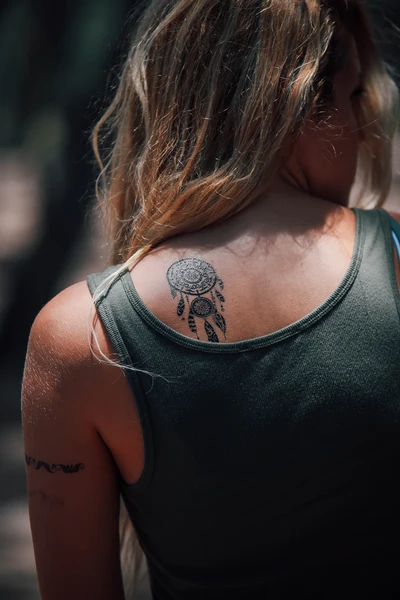
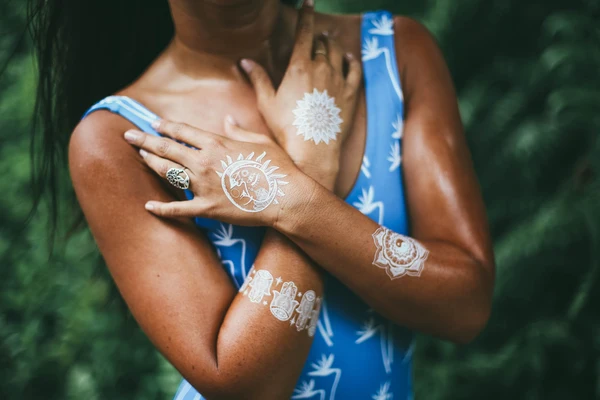
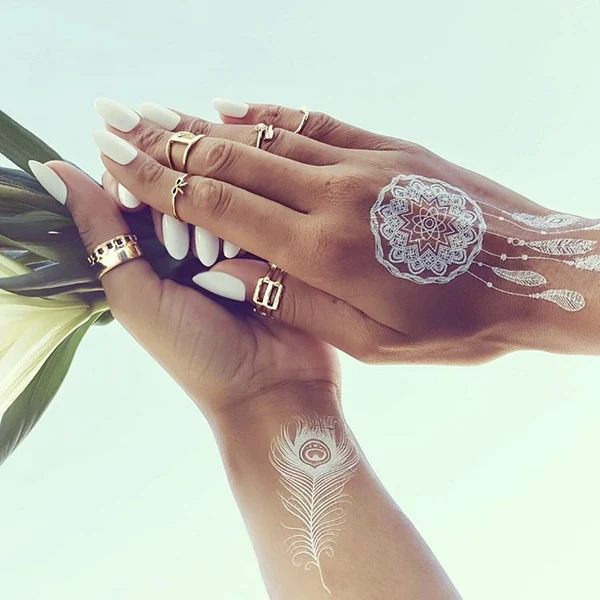
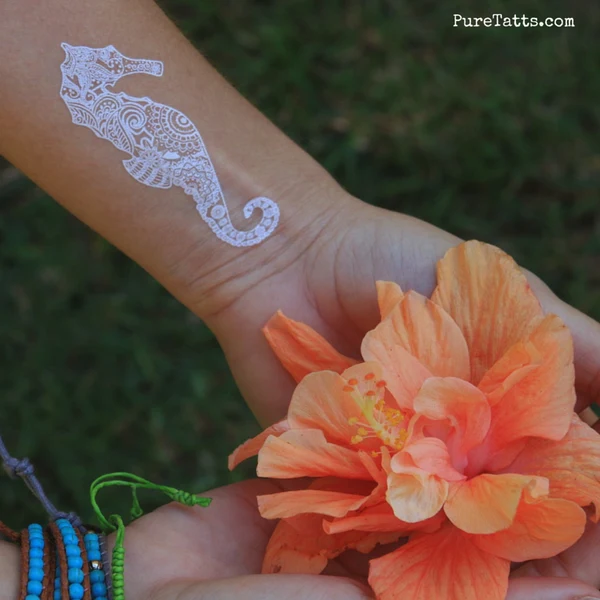
Black-and-white tattoo designs are especially effective for this approach because they share a consistent visual language. Geometric shapes, fine line drawings, white ink details and matte black motifs can be mixed when their size, spacing and direction are carefully controlled.
For an Australian summer, temporary body art is useful for music festivals, beachside events, hens’ weekends and nights out in places such as Bondi or Fitzroy. It can add edge to a singlet and jeans, complement festival styling or create a polished detail for a rooftop event without lasting beyond the occasion.
| Approach | Overall effect | Best for | Main consideration |
|---|---|---|---|
| Matching motifs | Clean and coordinated | Minimal outfits and formal events | Can look repetitive if every piece is identical |
| Mixed geometric designs | Modern and structured | Streetwear, festivals and photography | Needs consistent spacing |
| Black with white accents | High contrast and graphic | Evening looks and darker clothing | White designs may need stronger contrast |
| Dense layered arrangement | Bold, tattoo-inspired sleeve | Short-term statement styling | Requires careful planning to avoid visual clutter |
Start with a theme that gives the sleeve direction. Possible ideas include celestial symbols, botanical forms, abstract geometry, animals or a monochrome collection built around contrast. You do not need every tattoo to depict the same subject, but the designs should feel related through line weight, mood or shape.
Choose one dominant style before adding variety. Fine-line pieces create a delicate, editorial effect, while bold black designs feel more graphic and contemporary. A combination of sharp geometric elements and flowing botanical lines can work well when one style is used as the main structure and the other appears as an accent.
Lay the temporary tattoos beside your arm or arrange them on a printed outline. Divide the sleeve into visual zones: shoulder, upper arm, elbow, forearm and wrist. This simple step shows whether the composition has a natural flow and prevents all the largest designs from landing in the same area.
The outer arm is usually the most visible in photos, while the inner arm creates a more unexpected reveal as you move. Place your main feature where it will be seen most often, then use smaller designs to guide the eye around the sides. Leave breathing room near the elbow and wrist, where movement and creasing can make a crowded arrangement look untidy.
An anchor tattoo is the largest or most distinctive piece in the arrangement. It might sit on the shoulder cap, run diagonally down the upper arm or occupy the outer forearm. Begin with this design, then position supporting pieces around it rather than applying small tattoos randomly.
A diagonal line often creates the impression of a continuous sleeve because it leads the eye around the arm. You can achieve this with a trail of stars, leaves, angular fragments or repeated arcs. Vary the scale as the design travels, using medium pieces near the anchor and smaller details towards the wrist.
Bare skin is essential to a convincing temporary sleeve. Empty areas separate motifs, make fine details easier to see and stop the result from looking like a single dark block. A few centimetres between designs can give the arm a considered, editorial quality.
Negative space also helps the sleeve suit different clothing. If you are wearing a short-sleeved shirt in Brisbane or a black tank at a Sydney gig, gaps allow the artwork to appear intentional rather than overwhelming. Place details near, rather than directly over, natural arm contours so the overall layout remains readable when you move.
A monochrome palette makes different temporary tattoos appear connected. Use matte black as the visual weight, fine black linework for movement and white designs as highlights on areas where the skin provides enough contrast. A useful ratio is two or three dark pieces for every lighter accent, depending on your skin tone and the clothing you plan to wear.
For a sharper contemporary style, combine a bold black crescent with thin geometric lines or a white symbol placed nearby. The matte black guide can help you understand how this finish contributes to a modern, high-contrast look. Avoid placing several equally bold designs shoulder to wrist, as the eye needs a visual resting point.
Clean, dry skin gives temporary tattoos the best chance of looking crisp. Avoid applying body lotion, sunscreen or oil immediately beforehand, and trim excess transfer film if the design includes a large clear border. Position the tattoo carefully, especially when it needs to align with another piece around the curve of the arm.
Press firmly with a damp cloth and hold the transfer in place for the recommended time. Once the backing paper is removed, let the design dry before adding the next one. The detailed flawless application guide covers preparation, transfer and finishing steps that help create a smoother result.
Once the principal designs are in place, check the arm from several angles. Look at it with your arm relaxed, bent and extended. This reveals gaps that need a small accent and areas where another tattoo would make the sleeve too dense.
Tiny dots, stars, short lines and repeated symbols can bridge separate designs without competing with them. Keep these fillers consistent: if the main pieces are precise and geometric, use clean shapes rather than adding a realistic floral image at the last moment. A cohesive sleeve effect comes from repetition and restraint.
Think about the occasion and how the artwork will be seen. At a Melbourne laneway event, a visible forearm arrangement may be the hero, while a beach day may call for a lighter shoulder design that works with swimwear. For footy finals gatherings, a bold black-and-white layout can echo team colours without copying a specific logo.
Friction is the main enemy of a temporary sleeve. Tight cuffs, watch straps and frequent rubbing can fade the edges, particularly around the wrist and inner arm. Choose placement that will not sit directly beneath a band or seam, and be mindful of bags rubbing against the shoulder when travelling or commuting.
Heat and swimming can also affect longevity. In Australia’s warmer months, allow the designs to set fully before heading into the sun, pool or surf, and pat the skin dry rather than rubbing it. If one piece begins to fade, remove it and replace it with a smaller matching design instead of trying to patch the original.
Finish your look with a simple outfit that lets the artwork lead. White linen, denim, black basics and neutral tailoring create a clean backdrop for monochrome temporary tattoos. When you are ready to experiment with new placements or seasonal designs, browse the sale collection for affordable pieces to build your next arrangement. Start with one anchor, add supporting motifs gradually and wear the finished sleeve with confidence.
Posted on
Posted on
Posted on

Posted on
Posted on
Posted on
Posted on