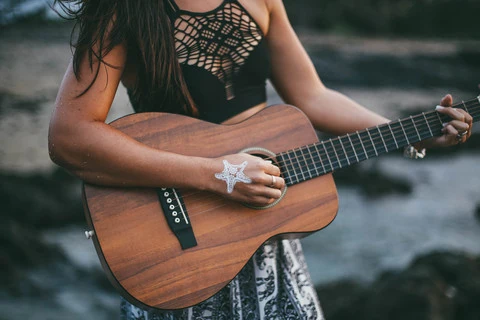
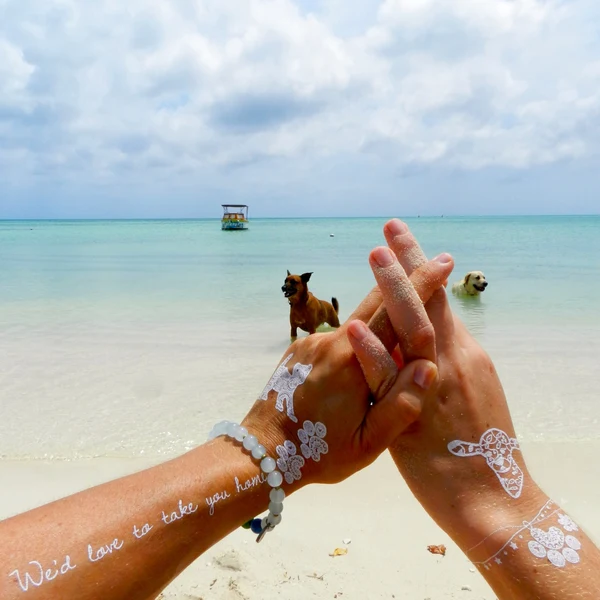
Temporary Tattoo Collection Donates 50% to Animal Rescue!
Posted on

Posted on
Posted on
A temporary tattoo can look sharp for a full day, yet fade quickly when it meets sweat, clothing, sunscreen or a long shower. The right setting spray helps create a light protective film over the design, giving the ink-style artwork a better chance of staying crisp beyond its first day.
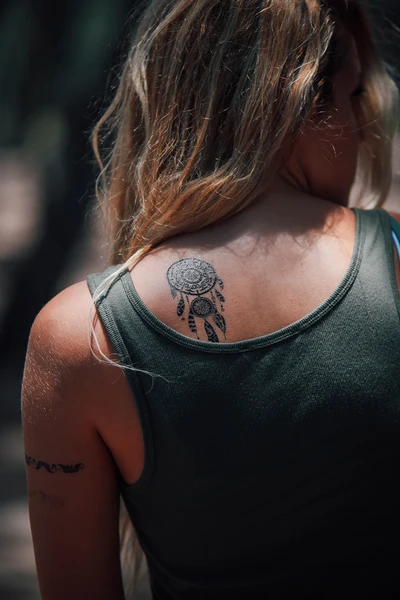
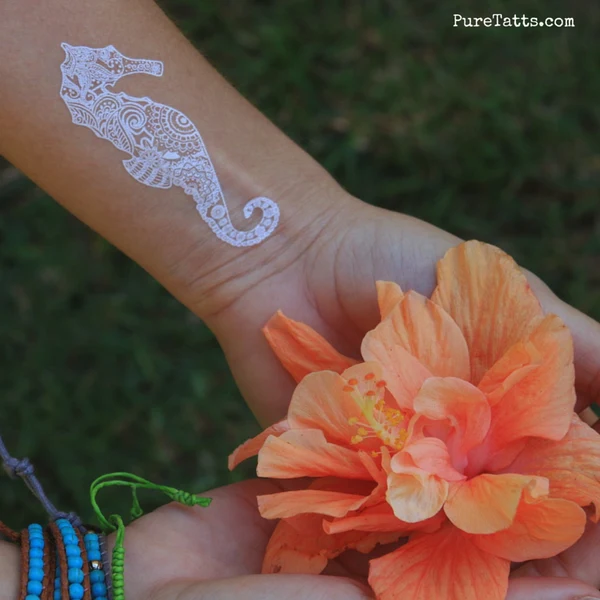
This technique works especially well with detailed black-and-white temporary tattoos. Fine geometric lines, matte black finishes and white designs all benefit from careful application, although the result depends on skin type, body placement and daily activity.
For Australian wearers, conditions can vary dramatically. A design worn at Bondi Beach faces salt water and sunscreen, while one used for a Melbourne winter event may deal with layers of clothing rubbing against the skin. Queensland humidity, an active weekend at the footy and long summer festival days can all shorten wear time.
A setting spray cannot turn a temporary tattoo into permanent body art, and it will not protect a design from constant friction or soaking. Used correctly, however, it can help extend the colour and edges for another day or two while keeping the finish comfortable.
Use a cosmetic makeup setting spray designed for skin rather than hairspray, craft varnish or an art fixative. Hairspray can contain strong solvents and fragrances that may cause irritation, particularly on the chest, neck or inner arm. Look for a product labelled for facial or body use, and avoid formulas that leave a heavy, sticky coating.
A fine mist is preferable to a forceful spray. Alcohol-based products may dry quickly, but they can sting sensitive skin and leave it feeling tight. If you have eczema, allergies or reactive skin, test a small amount on another area first and wait several hours before applying it over the tattoo.
The product finish also matters. A dewy spray may make a matte black tattoo look slightly glossy, while a powdery or mattifying spray can preserve a flatter appearance. For a clean graphic look, the matte black guide offers useful inspiration for pairing finish and placement.
Good preparation does more for longevity than adding a thick layer of spray at the end. Apply the temporary tattoo to clean, dry skin with no body oil, moisturiser, sunscreen or deodorant underneath. Hairy areas may need gentle trimming, since dense hair can prevent the transfer from sitting evenly.
Choose a low-friction position when possible. The outer forearm, shoulder, upper chest and calf generally hold a design better than the wrist crease, elbow, knee or waistband area. If you are heading to a summer barbecue or a day at the beach, apply the tattoo well before sunscreen and allow the transfer to settle first.
Before you spray
Prepare the setting spray
Individual designs are useful when you want to match placement to an outfit or avoid rubbing several tattoos together. You can browse individual temporary tattoos for separate pieces that are easier to position on clean, low-contact areas.
Start with the temporary tattoo itself. Press the design firmly onto dry skin, follow the transfer instructions and lift the backing slowly. Do not rush to spray while the surface is still damp. Give it several minutes to dry naturally, then lightly touch an outside edge with a clean fingertip to check that it feels settled rather than tacky.
Hold the setting spray away from the skin and mist across the tattoo in one smooth pass. Avoid concentrating the product on a single point, as a wet spot can soften fine lines or cause the transfer to wrinkle. A light veil is enough; the skin should not look visibly soaked.
Wait until the first layer is dry before adding another. Two thin coats generally perform better than one heavy coat because they form a more even film and reduce pooling around detailed artwork. Keep your arm or leg still while the spray dries, and avoid covering the area with tight clothing during this stage.
Once the spray has dried, protect the tattoo from the habits that cause early fading. Pat the area dry after washing instead of rubbing it with a towel. Keep showers warm rather than very hot, and avoid baths, swimming pools, spas and ocean water if you want maximum wear.
Sweat can also loosen the edges. After a run, surf session or long summer commute, blot moisture carefully with a soft towel. Do not apply more spray over sweaty skin. Clean and dry the area first, then add a very light touch-up layer only if the product directions allow it.
Friction is often the biggest problem. Watch backpack straps, bra bands, watch edges, football jerseys and tight cuffs. For a concert in Sydney or a festival in Byron Bay, placing the tattoo on the upper arm or shoulder may help it last longer than putting it directly beneath a lanyard or bag strap.
Avoid layering body oil over the design. If sunscreen is necessary, apply it around the tattoo and use a small amount over the top only after the spray has fully set and the product is confirmed to be compatible with your skin.
Heat and humidity can make a temporary tattoo feel soft, particularly in Brisbane, Darwin and coastal Queensland. Apply it in an air-conditioned room where possible, allow extra drying time and use thinner spray layers. In very dry conditions, such as an Adelaide summer, avoid overusing alcohol-heavy spray, which can leave the skin flaky and make edges lift.
Sun exposure can fade the appearance of black pigment and make white designs less distinct against dry or reddened skin. A temporary tattoo is not sunscreen, so protect the surrounding skin with SPF. Apply it carefully rather than rubbing hard over the artwork, and remember that water-resistant sunscreen still needs reapplication after swimming or heavy sweating.
For special occasions, apply the tattoo the evening before if the design is already dry and secure, then inspect it in the morning. This gives you time to replace it before a wedding, hens day, music festival or Australia Day gathering if an edge has lifted overnight.
Different sealing methods offer different levels of convenience and skin comfort. A setting spray is usually the easiest option for a natural finish, while a clear cosmetic balm may offer more resistance in a small area. Heavy products can feel uncomfortable and may blur intricate artwork, so the best choice depends on placement and activity.
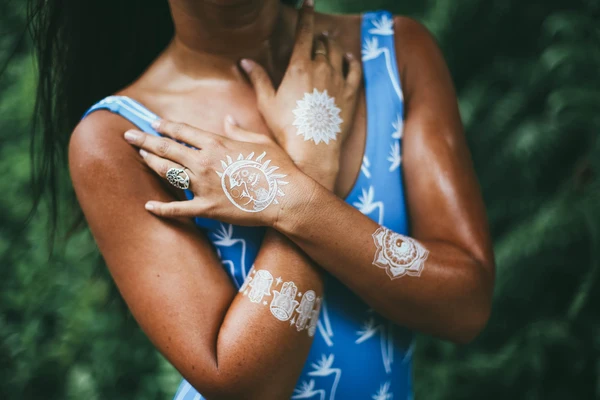
Seasonal collections and artist collaborations can also make temporary tattoos work as part of a wider look. Black-and-white designs suit minimalist outfits, while a white tattoo can create a subtle contrast on deeper skin tones or add a graphic detail for an evening event. The best-selling designs are a practical place to find popular styles before choosing a longer-wear placement.
| Method | Best For | Main Limitation |
|---|---|---|
| Fine-mist setting spray | Light protection and a natural finish | Can wear down with water and rubbing |
| Cosmetic balm | Small designs needing extra surface coverage | May feel sticky or soften fine details |
| Body powder | Reducing tackiness in warm weather | Offers limited protection from water |
| No sealant | Short events and low-contact areas | Usually fades sooner |
A well-prepared temporary tattoo, two light coats of skin-safe setting spray and careful handling can help your design stay presentable past one day. Choose your artwork, clean the placement and let each layer dry fully before getting dressed. Browse Pure Tatts for a detailed black-and-white design that fits your next Australian weekend, event or everyday look.
Posted on
Posted on
Posted on

Posted on

Posted on

Posted on
Posted on