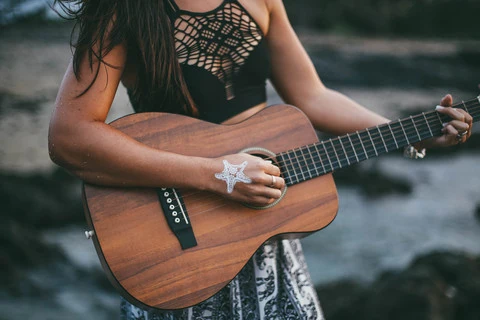
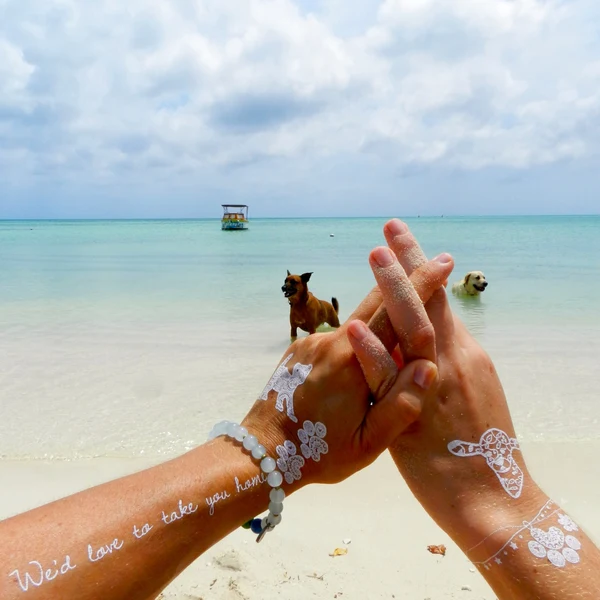
Temporary Tattoo Collection Donates 50% to Animal Rescue!
Posted on

Posted on
Posted on
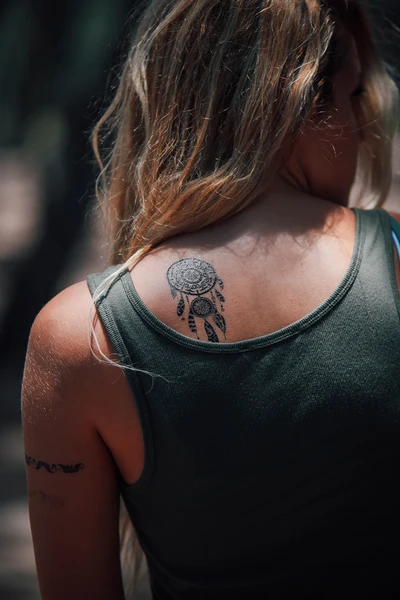
A low-back dress makes the upper back part of the outfit, not merely the frame around it. A temporary tattoo can echo the curve of a neckline, sit between the shoulder blades, or create contrast against a plain dress without the commitment of permanent ink. The best placement feels deliberate from every angle and still suits how you move, sit and walk.
Before choosing a design, check how much skin your specific dress reveals once it is zipped or laced. Hair, bra straps, body contours and fabric can all change the composition. Work from the dress’s actual neckline rather than a generic back-tattoo idea, and choose a size that remains visible when the garment settles over your shoulders.
Start by wearing the dress and using two mirrors to view the open-back area. A centred design usually sits most naturally between the shoulder blades, while a smaller motif can follow one shoulder blade or align with a vertical zip. Keep the tattoo fully inside the exposed section if possible, since a design that disappears beneath the fabric can look accidentally cropped.
Natural asymmetry matters more than a perfectly symmetrical placement. Follow your shoulder line and spinal curve rather than forcing a decal into an imaginary straight line. If someone else is helping with the application, they should work from the centre outwards while you check the position in a mirror.
Geometric patterns have particular potential here because they can continue the structure of a garment. Ideas inspired by architectural tattoo details can mirror a zip, outline a neckline or add visual rhythm to a broad expanse of skin.
Consider the dress colour, fabric and amount of printed detail before selecting the tattoo. White geometric lines can stand out sharply against a black or navy dress, while matte-black artwork may blend more subtly with a monochrome outfit. On lighter or brightly coloured dresses, strong black linework can create a clean focal point without competing with the print.
Match the visual direction rather than simply choosing your favourite design. Vertical lines suit a fitted, architectural silhouette; flowing shapes soften a structured bodice; and a small, detailed motif works well when the neckline already provides a strong feature. Test the contrast in daylight, because temporary ink can look different under indoor lighting or camera flash.
The hand-drawn quality of each piece also affects the result. Reading about drawing on tattoo paper explains why slight variations and expressive linework make temporary tattoos feel more personal than mass-produced motifs.
Clean the application area with mild soap and let it dry completely. Avoid lotion, body oil, deodorant and sunscreen residue, all of which can interfere with adhesion. If you need to remove hair, do it well beforehand and allow any minor irritation to settle. Do not apply a decal to broken, sunburnt or visibly irritated skin, and patch-test the adhesive if you have sensitive skin.
Check the product directions before beginning because activation methods and recommended contact times can differ. Position the decal with a mirror or ask a helper to align it, then press it down firmly from the centre towards the edges. Smooth out bubbles with the flat of your hand and rub for the stated period. Use water only if the instructions specifically call for it, and allow the design to set before dressing.
For an event with considerable movement, prepare a spare decal in case perspiration or friction lifts an edge. Avoid applying a fresh tattoo immediately after a gym session or while the skin is still warm and damp, since heat and moisture often shorten wear time.
Allow the recommended setting time before pulling the dress over your head. Guide fabric slowly over the decal, then adjust straps, hooks and zips so they do not sit across the artwork. Bra bands, seat belts, backpack straps and chair backs can create repeated pressure, particularly on a dance floor or during a long dinner.
Heat and perspiration are the usual culprits when an edge begins to lift. Keep the area as dry as practical and resist the temptation to cover it with adhesive tape or strong glue, which can irritate the skin. If a corner lifts, follow the product’s reactivation directions rather than pressing the decal back down with a new adhesive.
Choosing a design to match the season can make the styling feel more intentional. Current seasonal tattoo trends offer a useful starting point for floral, abstract and statement-led motifs suited to changing wardrobes.
Australian weather can test even a well-applied decal. Brisbane’s humidity and Sydney’s warmer summer days may encourage perspiration across the upper back, while Melbourne’s changeable weather often means wearing a jacket over bare shoulders. Choose breathable dress fabric, take the garment off slowly after walking from an air-conditioned venue into humid air, and avoid a tight outer layer directly over the tattoo.
The local market is also worth considering when planning ahead. Australian beauty shoppers commonly compare prices in Australian dollars, delivery times and marketplace listings before purchasing online, so leave enough time for the decal to arrive before a wedding, party or weekend event. Buying early also gives you time to test the product at home and prepare a backup without rushing the application.
Australian Consumer Law protects buyers from misleading claims and provides remedies for faulty, damaged or materially different goods. Permanent tattoo studios and body-pierring businesses are regulated by state and territory rules, but temporary decals do not involve needles or tattooing procedures. That distinction does not remove the importance of checking ingredients, warnings, age directions and wear-time instructions before use.
Peel the decal away slowly at a low angle rather than pulling it sharply upwards. Warm water and mild soap can remove remaining adhesive, while any chemical remover should be one recommended by the tattoo manufacturer. Avoid scrubbing or using harsh solvents on the skin.
After removal, rinse the area and apply a simple, fragrance-free moisturiser. If the skin feels irritated, stop using the product and allow the area to settle. Persistent redness, swelling or a worsening rash warrants medical advice, particularly if you have a known adhesive allergy.
Plan your hair before the tattoo goes on. A low bun, braid or soft updo keeps the neckline visible, although loose waves can also frame a smaller shoulder-blade design. Apply deodorant, perfume and body oil before the decal so these products do not reach the adhesive, and choose bra straps and jewellery that complement rather than cover the artwork.
Check the finished look in natural light and in photographs. White ink may appear brighter in daylight, while fine black lines can lose definition in direct flash. A final mirror check should include the front-facing view, since the overall effect depends on how the design balances the neckline and the rest of your outfit.
Browse Pure Tatts’ geometric, white and matte-black ranges, along with its seasonal collections and artist collaborations, to find a design that complements your dress. Join the email list for new releases and member offers, then allow time to test and apply your chosen decal before the big day.
Posted on
Posted on
Posted on

Posted on

Posted on

Posted on
Posted on