Temporary Tattoo Collection Donates 50% to Animal Rescue!
Posted on

Posted on
Posted on
Temporary tattoos can transform a visible scar into part of a personal look, whether you want a subtle distraction or a bold geometric statement. A well-placed skin decal offers colour and pattern without the permanence of ink, making it useful for festivals, parties, photos or everyday self-expression.
The best cover-up respects the condition of your skin. Apply temporary tattoos only to fully healed, closed skin, and avoid scars that are opening, weeping, markedly inflamed or still changing after surgery or laser treatment. This guide explains how to prepare, position and maintain a decorative tattoo while keeping the scar itself safe.
Begin by studying the scar’s size, shape, colour and texture in good light. A small geometric design can follow a narrow line, while an organic pattern may blend more naturally with a curved scar. For a bolder effect, contrast the tattoo with the surrounding skin instead of trying to match it exactly.
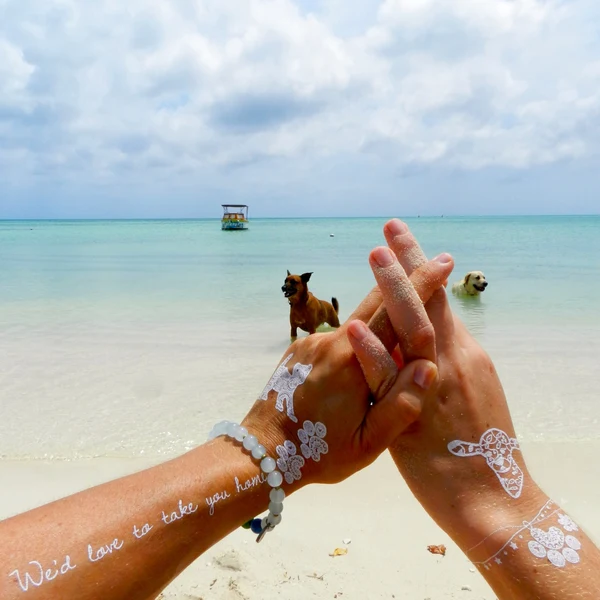
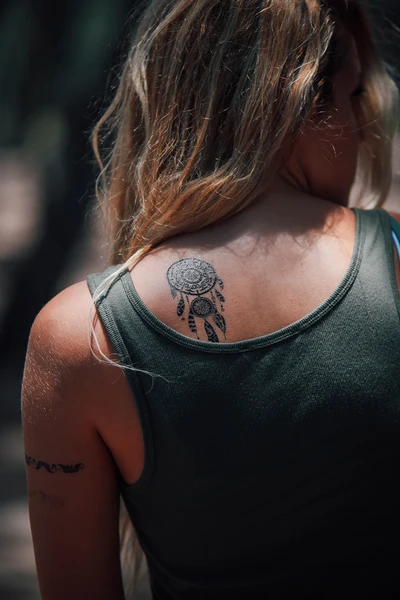
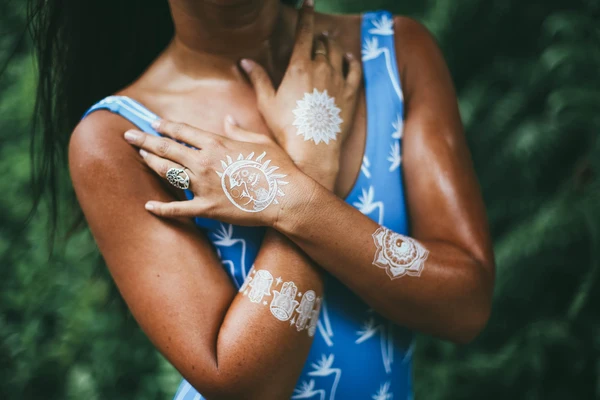
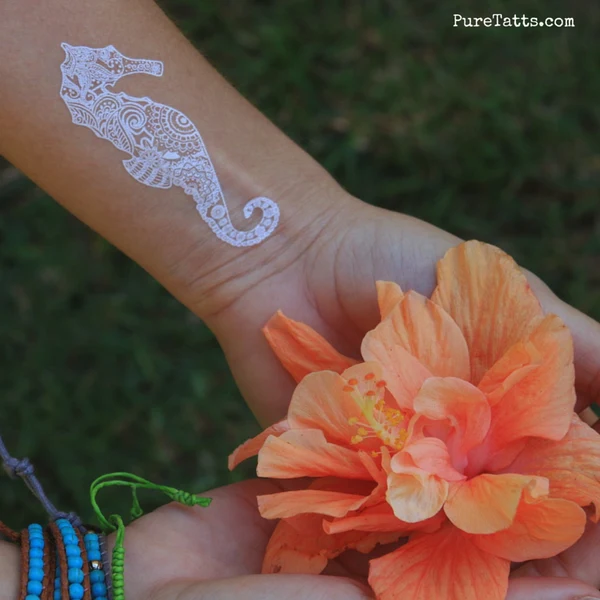
Scale matters as much as subject. An oversized decal can draw attention to the area, whereas a design that extends slightly beyond the scar may create a more balanced appearance. Black ink provides strong definition, while white details can soften the look. Pure Tatts’ hand-drawn styles suit people who prefer distinctive, artist-led artwork, and its featured tattoo collection offers geometric, white and matte black options for different scar shapes and personal styles.
Wash your hands, then gently clean the area with lukewarm water and a mild, fragrance-free cleanser. Pat the skin dry with a soft towel rather than rubbing it, especially if the scar feels tight, thin or sensitive. Lotions, oils, deodorant, makeup and heavy sunscreen residue can prevent the adhesive from bonding evenly.
If hair interferes with placement, trim it carefully rather than shaving directly over the scar. Avoid exfoliating, scrubbing or using strong alcohol-based products on the area. Apply any sunscreen before the temporary tattoo and allow it to absorb fully; scar protection remains important, particularly during Australia’s intense summer months.
Do not cover a recently resurfaced scar, fresh wound or area receiving treatment from a dermatologist or scar specialist. If silicone gel or another treatment has been recommended, allow it to absorb before considering decorative adhesive art.
Patch-test the product on nearby unaffected skin for around 48 hours if practical. Wash the test area afterwards and watch for redness, itching, blistering or swelling. Even after a successful patch test, remove the tattoo immediately if the scar begins to sting or burn.
Cut the tattoo with scissors, leaving a small border around the printed design. Position it using a mirror or your phone’s camera, choosing a spot that is not repeatedly disturbed by waistbands, bag straps, bra lines or sleeves. Smooth the skin, place the adhesive side down and press firmly from the centre outwards. Hold it in place for 30–60 seconds, then peel the backing away slowly without stretching the skin.
Keep the pressure light over a raised or sunken scar, as stretching can distort both the design and the appearance of the scar. Follow any product-specific directions if they differ from the usual application method, and never attempt to place a temporary tattoo over damaged skin.
Adhesive performs best when it stays clean, dry and free from friction. Australian heat, humidity, gym sessions and beach days can all affect a fresh application, so allow the tattoo to set before swimming, exercising or exposing it to heavy perspiration. Chlorinated pools and salty water may also loosen the edges.
After a shower, remove excess water by patting rather than scrubbing. Avoid applying oil or moisturiser over the tattoo because these products can lift the design or blur its fine lines. A low-sheen style often looks softer beside scar tissue than a glossy finish. For finish ideas and application tips, see the matte black tattoo guide.
A reliable routine makes it easier to enjoy the cover-up without irritating the scar or damaging the artwork.
After removal, wash the area gently and return to any moisturising or scar-care routine recommended by your health professional. Keeping the skin comfortable between wears helps the area remain in good condition for future applications.
Removable body art fits comfortably into Australian everyday life. It can move from a crowded train in Sydney or Melbourne to office work, a weekend market, a gig or a day at the beach without the commitment of permanent ink. The temporary element also suits people who enjoy experimenting with patterns, placement and seasonal looks.
The Australian market offers many online decal sellers, so compare customer photographs, design detail, AUD pricing, shipping times and return policies before buying. Under the Australian Consumer Law, sellers must provide goods of an acceptable quality and must not mislead customers about their ingredients, testing or durability. Check the available care and ingredient information, especially if you have sensitive skin or a history of adhesive reactions.
When you are ready to explore, the temporary tattoo search makes it easy to compare available designs. Choose a pattern that complements the scar, follow the preparation and application steps, and wear your creative cover-up with confidence.
Posted on
Posted on
Posted on

Posted on

Posted on

Posted on
Posted on