Temporary Tattoo Collection Donates 50% to Animal Rescue!
Posted on
Posted on
Posted on
The psychology of minimalist tattoos is less about adding less ink and more about controlling what the eye notices. A single line, restrained symbol or small geometric form creates a focal point without competing with the wearer’s face, clothing or surroundings. The result feels intentional, especially when every visible element appears to have been considered.
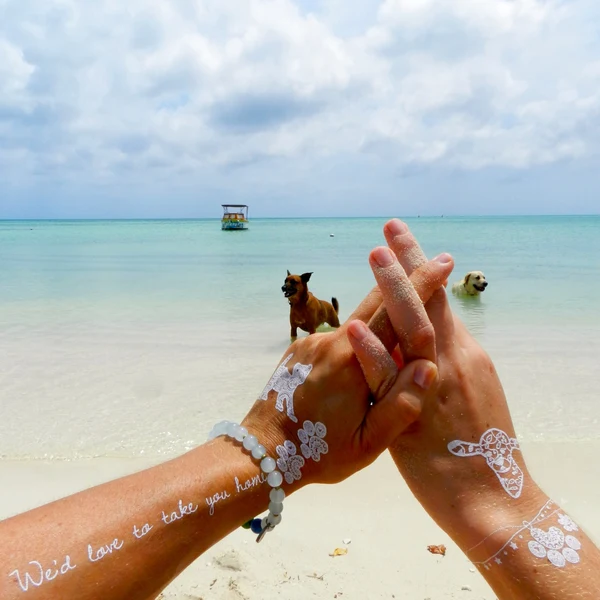
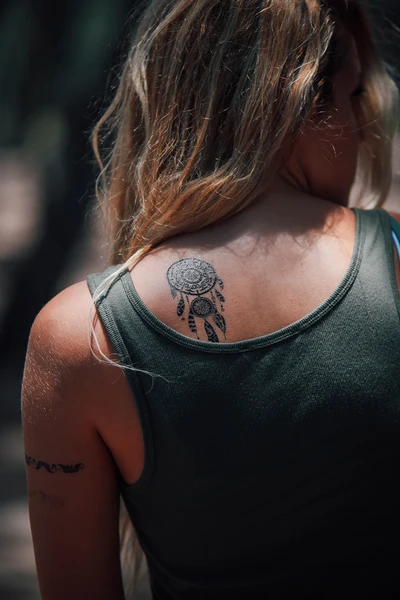
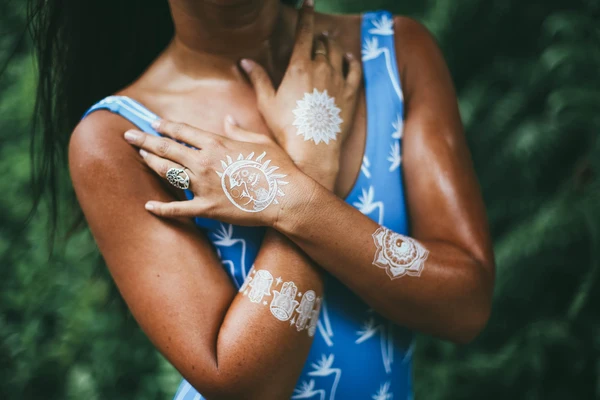
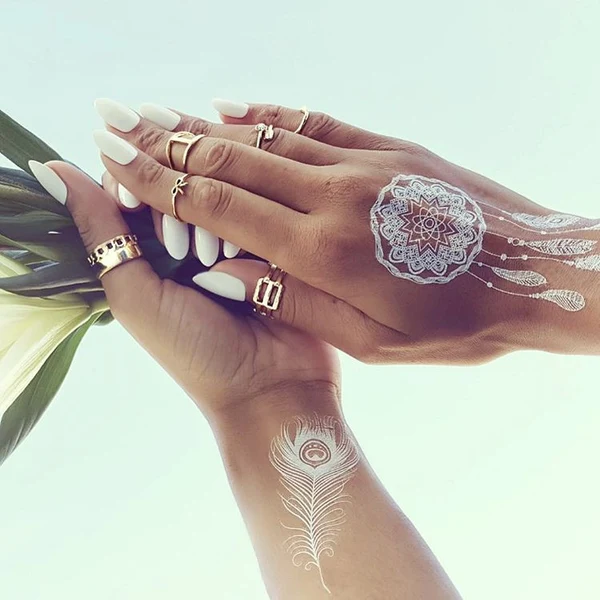
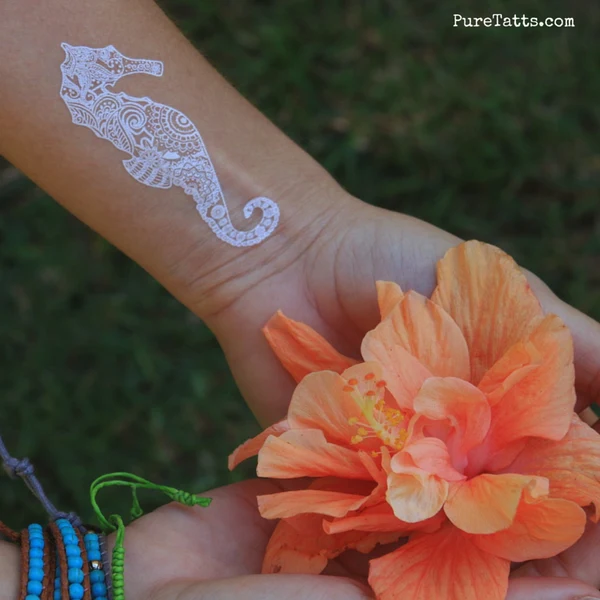
Minimalism in this context does not mean coarse or empty. Pure Tatts’ hand-drawn temporary tattoos can pack fine linework, botanical detail, white motifs and matte black shapes into a compact composition. That combination—intricacy within a simple silhouette—offers the drama of body art with the ease of a removable style choice.
Minimal designs can register quickly because strong contrast lets the eye resolve a shape before it starts cataloguing every detail. Clean contours give the visual system fewer competing elements to interpret, while deliberate spacing creates a sense of order. The wearer is not asking people to decode a crowded image; the design can be understood at a glance.
| Design direction | First visual impression | Possible psychological signal | Styling direction |
|---|---|---|---|
| Fine black linework | Precise edges and delicate detail | Restraint, attention to detail | Plain shirts, rolled sleeves |
| White linework | Lightness and subtle contrast | Softness, individuality | Dark or monochrome clothing |
| Matte black | Bold graphic silhouettes | Confidence and clarity | Minimal, fitted outfits |
| Geometric pattern | Repetition and structure | Order, balance and focus | Clean everyday wardrobes |
The difference between a fine black motif and a white one extends beyond colour. Matte black can create a decisive graphic statement, while white designs often reward closer inspection and careful placement. Visibility also varies with skin tone and lighting, so choosing a style means considering how it will appear in real conditions rather than only in a product photograph.
Minimalism also changes the relationship between the tattoo and the body. With one compact design, the surrounding skin becomes part of the composition. Negative space can feel as deliberate as the mark itself, preventing the wearer from looking overly decorated even when the artwork contains fine detail.
Small tattoos can function like punctuation in personal style. A minimalist symbol communicates something about its wearer without requiring a large, fixed narrative. It might suggest an interest in geometry, nature, structure or understated craftsmanship, yet it remains open enough for the wearer to define.
Because the design occupies less visual space, it can also move more easily between contexts. One day it might sit beside a business shirt in a Sydney CBD meeting; another, it might complement linen, denim or swimwear. A restrained mark can express individuality without making an entire outfit feel themed.
This sense of control contributes to the appeal of minimal body art. The wearer chooses the scale, position and tone, then allows the design to speak without constant explanation. Confidence comes from that precision: there is one point of interest, and it feels resolved.
Psychologists often describe perception through the Gestalt principle of figure and ground, which explains how people separate an object from its surroundings. In tattoo design, this becomes especially visible. A narrow line, isolated shape or uninterrupted patch of skin can make the mark easier to recognise and remember.
Negative space is not empty space; it is active space. It separates motifs, establishes balance and gives fine details room to breathe. This is where highly intricate minimalist work becomes compelling: the complexity is contained instead of spreading across the body in competing directions.
Pure Tatts’ Christina Seng white edition demonstrates how pale, fine lines can create a quiet focal point. White contours invite closer attention, particularly when the surrounding outfit is dark or the wearer’s skin provides strong contrast. The understated appearance still rewards observation.
Placement can amplify the same effect. A small botanical form near the collarbone, a geometric mark on the forearm or a fine line behind the ear all use surrounding space differently. The most effective minimalist tattoo feels integrated into the wearer’s proportions rather than simply placed on top of them.
Removability changes the psychology of the decision. A permanent tattoo demands long-term certainty, while a temporary design offers a lower-stakes way to explore scale, position and personal response. That freedom makes room for experimentation without the pressure of making a permanent commitment.
The wearer can also test how a design interacts with different clothes, workplaces and social settings. If the mark feels attention-seeking in one environment or too subtle in another, another style can be tried. Minimalist tattoos are especially useful for this process because their impact depends heavily on context.
A temporary mark can gradually turn an idea into a familiar part of the wearer’s appearance. Seeing a small design in the mirror, choosing clothing around it and noticing other people’s reactions can build confidence. The psychology of minimalist tattoos therefore includes not only expression but also experimentation, feedback and gradual self-assurance.
Australian wardrobes often move between demanding environments with little change. In Sydney, a Bondi-to-CBD outfit might need to work beside the ocean, an office and a relaxed dinner. A single clean tattoo can travel through those settings more comfortably than a large composition that dominates every outfit.
Melbourne’s café culture, laneway studios and strong independent design scene also contribute to an appreciation for restrained visual choices. The same sensibility extends to artist collaborations, where careful linework and a limited palette can feel more personal than a mass-produced graphic.
Seasonal rhythms matter, too. Australian summer brings heat, saltwater, outdoor markets and music festivals, while winter makes sleeves and heavier layers prominent. Matte black motifs suit bolder summer looks, whereas fine white and line-based designs can emerge as intriguing details against darker seasonal clothing.
The Australian market’s mix of independent artists, online boutiques and social-first fashion discovery creates demand for products that are distinctive without being difficult to wear. The black-and-white wardrobe edit reflects that practical approach by matching temporary tattoos with outfits built around monochrome foundations.
A minimalist tattoo works best when its scale, placement and visual weight feel coordinated. Look for a design that creates a clear silhouette, sits comfortably within the body’s natural lines and remains recognisable without dominating. Fine detail should reward a closer look rather than compete for immediate attention.
Seasonal collections can make the search feel fresh, while artist collaborations add a recognisable creative voice to an established aesthetic. Pure Tatts’ featured designs also make it easier to compare restrained linework, white motifs and matte black forms before selecting the one that best suits your wardrobe and personality.
Explore the Pure Tatts collection, discover an artist collaboration and join the email list for new releases and member offers. Choose one deliberate mark and make it part of the look.
Posted on
Posted on
Posted on

Posted on

Posted on
Posted on
Posted on