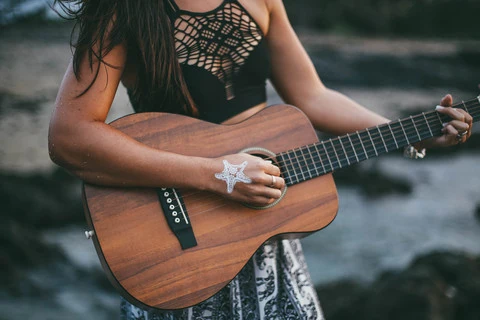
Temporary Tattoo Collection Donates 50% to Animal Rescue!
Posted on
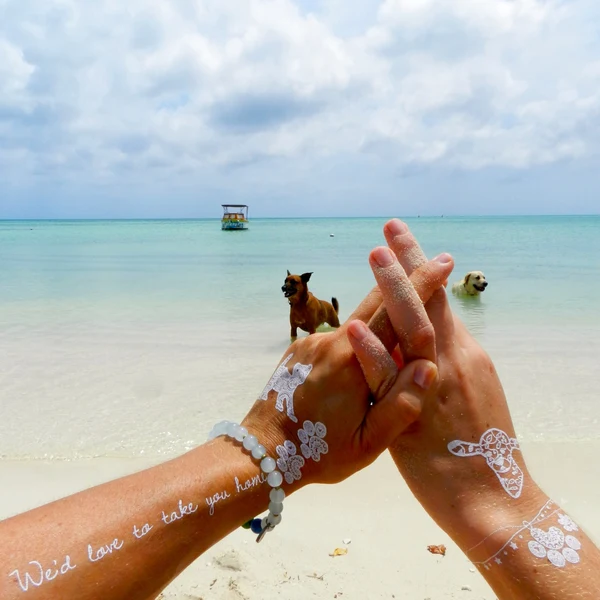

Posted on
Posted on
When a stranger leans in to admire the mandala on your forearm at a rooftop bar in Melbourne, the only response you want is genuine surprise, not polite politeness. The gap between a temp tattoo that reads as fun and one that genuinely fools the eye comes down to a handful of small decisions, most of which happen before you ever open the sachet. From the design you pick to how you treat the skin underneath, every choice shifts the result somewhere between obviously fake and eerily authentic.
Across Australia, where weekend plans swing from a surf check at Bondi to a Sunday session at a Brunswick brewery, temporary ink has to hold up against sweat, sunscreen, and forty-degree afternoons. That environment is actually useful, because learning to make temporary tattoos look like real tattoos up close forces you to think about edges, skin tone, and durability in ways casual users never consider. With the right prep and a few tricks borrowed from permanent-tattoo aftercare, your next application can pass even an honest inspection.
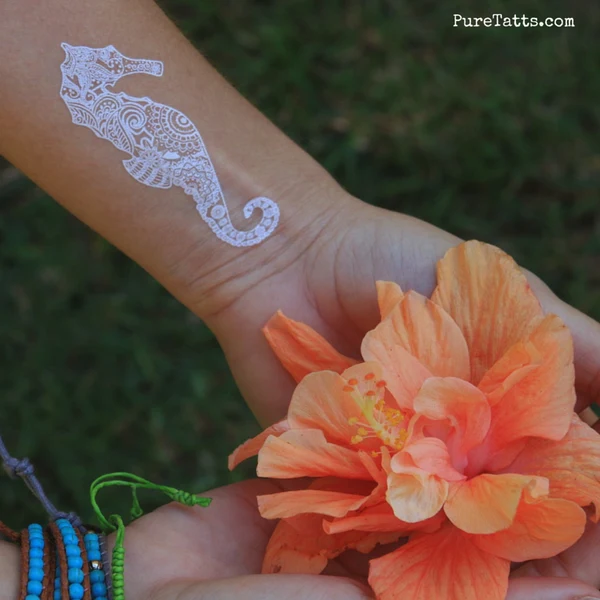
Real tattoos tend to have a softness that stickers lack. Look for pieces with hand-drawn line work rather than machine-perfect vector art, irregular shading, and ink that varies slightly in density. The best-selling designs lean into this aesthetic, with matte black pieces and white ink patterns that read as deliberate body art rather than temporary decoration. Geometric designs with negative space, fine-line botanicals, and dotwork all photograph well and hold up under scrutiny because they mimic the texture of skin holding pigment.
Stay away from anything that screams rub-on: heavy outlines, primary colour fills, or cartoon characters. Designs that work up close share three traits — subtle weight variation in the lines, intentional gaps that look like healed skin, and a believable scale relative to where they sit on the body. A small symbol on the wrist works; a huge graphic with no negative space rarely does.
Skin is the canvas, and a smooth canvas makes every detail easier to read. Exfoliate the area twenty-four hours ahead with a gentle scrub or a dry brush, then shave the night before so the follicles have time to close. On application day, wash with a fragrance-free soap and skip moisturiser, sunscreen, and deodorant on the target spot — oils create a barrier that lifts the ink within hours.
Location matters as much as preparation. Forearms, outer biceps, upper back, and ribs tend to hold a transfer best because the skin stays relatively still and doesn't crease. In the Australian heat, avoid the inner elbow and behind the knee, where sweat pools and the design will fade fastest. If you're heading to a beach day at Manly, apply the night before so the piece has twelve hours to fully bond before the surf and sand test it.
Cut the design out as close to the printed line as possible, then peel the clear film away slowly to make sure no part of the pattern is sticking to the protective sheet. Press the tattoo paper face-down onto dry skin and hold it flat with one hand. With the other, wet a sponge or cloth and press firmly over the whole design for thirty to forty seconds — long enough that the paper goes translucent and the adhesive fully releases.
Lift a corner gently and check the transfer. If any line looks faint, lay the paper back down and press again with more water. Resist the urge to peel the backing straight off, because that is the fastest way to drag a line out of place. Once the paper is gone, don't touch the ink for at least a minute; let the adhesive set on its own.
Powder is the secret weapon of anyone trying to make temporary ink look closer to the real thing. While the transfer is still slightly tacky, dust a thin layer of translucent setting powder or baby powder over the top with a soft brush. The powder softens the gloss of the adhesive and blends the edges into the surrounding skin, which is what makes permanent tattoos look like they sit underneath the surface rather than on top of it.
A light mist of alcohol-free hairspray can extend the life further, especially for an all-day event like a wedding in the Barossa or a regional festival in Victoria. Hold the can thirty centimetres away and use one pass, not five; oversaturation will dissolve the ink. Avoid oil-based setting sprays, which break down the design within hours.
Up close, the giveaway on most fake tattoos is a hard, glossy outline. After powdering, take a damp cotton bud and gently blur the very edge of the design, working the pigment slightly into the surrounding skin. For matte black pieces especially, this softens the line the way healed real ink softens over the first month. If the design includes tiny dots or stippling, a single drop of water on a fine brush can redistribute any clustered specks for a more organic look.
Matching skin tone is another quiet trick. A fresh temporary transfer can sit slightly paler or darker than the area around it. A light dusting of mineral bronzer over the entire patch, including the design, unifies the contrast and helps the piece disappear into the body. Avoid heavy foundation, which cracks across the ink and draws attention to it.
Australian conditions will test a temporary tattoo within hours, so the maintenance routine matters as much as the application. Pat the area dry after a swim or shower rather than rubbing it, and reapply a thin layer of powder if the surface starts to look shiny in the heat. Sunscreen is non-negotiable under the local sun, but apply it around the design, not directly on top, and wait ten minutes for the lotion to absorb before it touches the ink.
A few small habits extend the wear from a day to nearly a week. Sleep in loose cotton clothing that won't press against the design. Skip saunas and hot yoga, where sweat and steam lift the adhesive. If the piece starts to fade at the edges after three or four days, a single pass of translucent powder will tighten the look without the cost of a full reapplication.
Habits that keep temp ink reading as real:
Want a piece that travels well past a single afternoon? Matching patterns for couples is a popular read for anyone planning coordinated designs, and studios, event planners, and retail buyers can explore wholesale options ahead of festival season in Australia.
Posted on
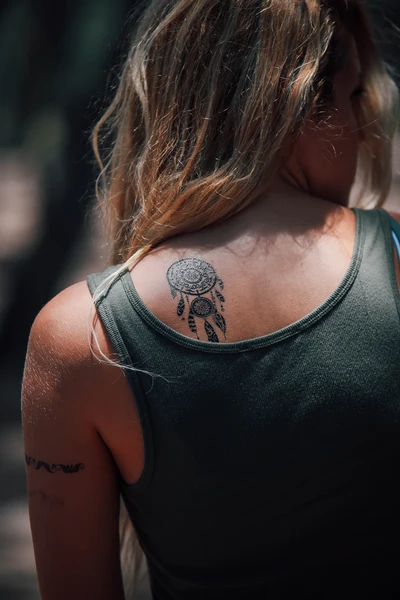
Posted on
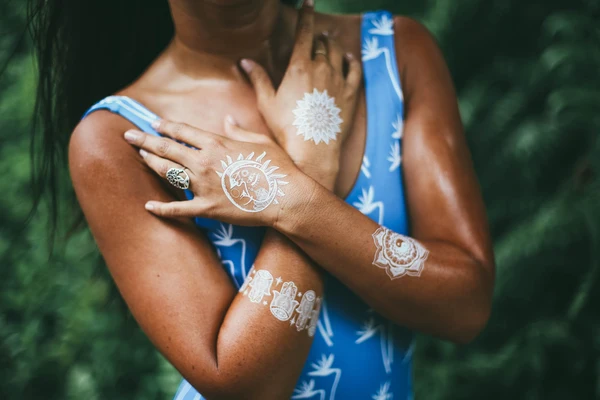
Posted on

Posted on

Posted on

Posted on
Posted on