Temporary Tattoo Collection Donates 50% to Animal Rescue!
Posted on

Posted on
Posted on
A hand-drawn temporary tattoo can turn a quick idea into wearable art without the permanence of a needle. Your sketch might begin as a spiral in a notebook, a shell collected near the coast, or a geometric pattern drawn while waiting for a flat white in Melbourne. With the right preparation, it can become a crisp black, white or monochrome design made for skin.
The process is part illustration, part styling and part practical testing. Fine lines need enough breathing room, solid areas must transfer evenly, and the finished design should suit the movement and texture of the body. Temporary ink gives you space to experiment before committing to a permanent tattoo.
For Australians, removable body art is especially useful for festivals, beach weekends, holidays and warm-weather events. A design can work with linen at a Byron Bay market, a singlet at a Brisbane gig or a sharp black outfit in Sydney, then disappear when you are ready for something new.
| Approach | Best for | Finish | Main consideration |
|---|---|---|---|
| Drawing on transfer paper | Simple custom motifs | Clean and graphic | Requires careful tracing |
| Scanning a sketch | Detailed linework | Faithful to the original | Digital cleanup may be needed |
| Creating a digital design | Repeated or precise artwork | Consistent and polished | Can lose a handmade feel |
| Buying an artist-made temporary tattoo | Ready-to-wear styling | Professionally balanced | Less personal customisation |
Begin with a dark pencil or fine liner on smooth, untextured paper. Avoid relying on pale shading, because subtle graphite tones may vanish during transfer. If your concept includes lettering, remember that it usually needs to be mirrored before it reaches the skin.
Think about the shape of the body part while you draw. A narrow vertical motif can follow the forearm or calf, while a wider illustration may sit better across the shoulder blade. Keep the central image readable from a short distance and avoid packing every section with detail.
A hand-drawn compass, star chart or winding route can make a personal travel piece. For ideas with an Australian road-trip mood, explore these road-trip motifs before turning your own landmarks into a wearable map.
Scan your drawing at a high resolution or photograph it in even daylight. A phone image can work, but place the sketch near a window rather than under a yellow kitchen light. Crop away the page edges, increase contrast and remove stray marks so the tattoo film receives only the lines you want.
Digital editing also lets you test scale. Print a few versions on ordinary paper and place them against your wrist, ankle, ribs or upper arm. This mock-up shows whether a tiny line will remain visible and whether the design feels balanced when your body is moving.
Do not use ordinary printer ink directly on skin. Use skin-safe temporary tattoo paper according to its instructions, and check whether your printer type is compatible. If you are ordering a custom transfer, send the cleanest version of the sketch and ask about minimum line weight, colour limitations and application instructions.
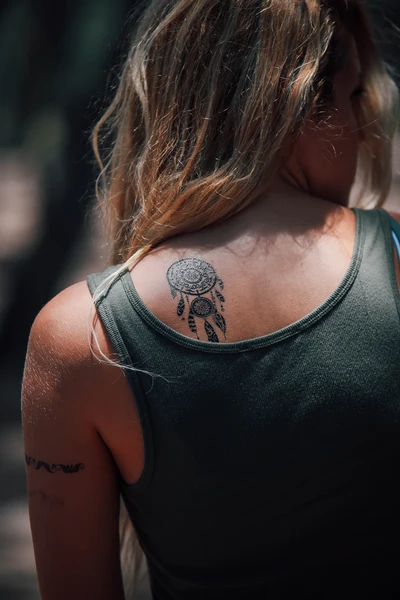
Black temporary tattoos are a strong choice for botanical outlines, symbols and graphic illustrations. Matte black designs tend to look modern against summer clothing, while a fine black line can feel delicate with a slip dress or relaxed shirt. A monochrome palette also makes an imperfectly hand-drawn mark look intentional.
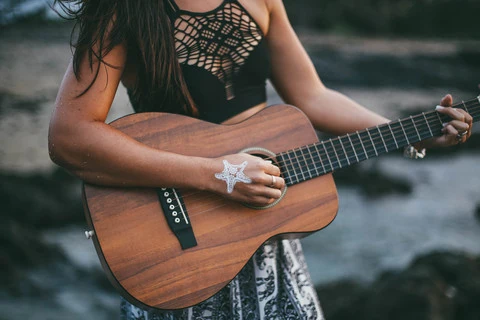
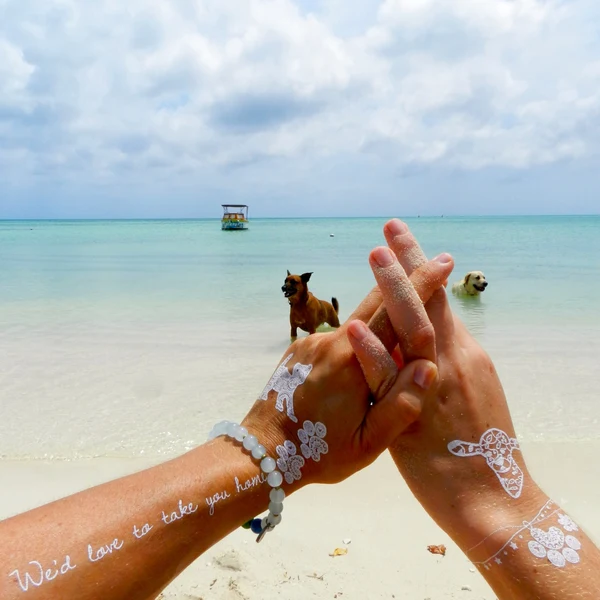
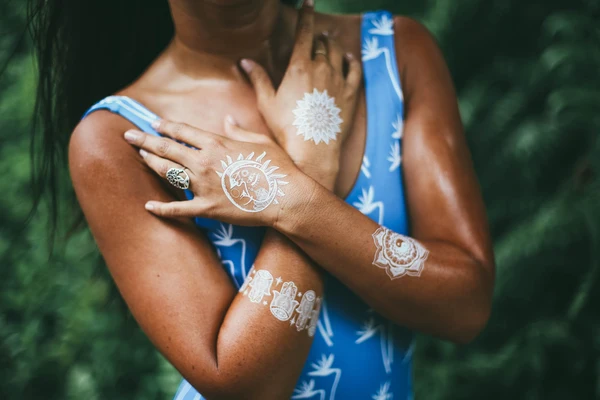
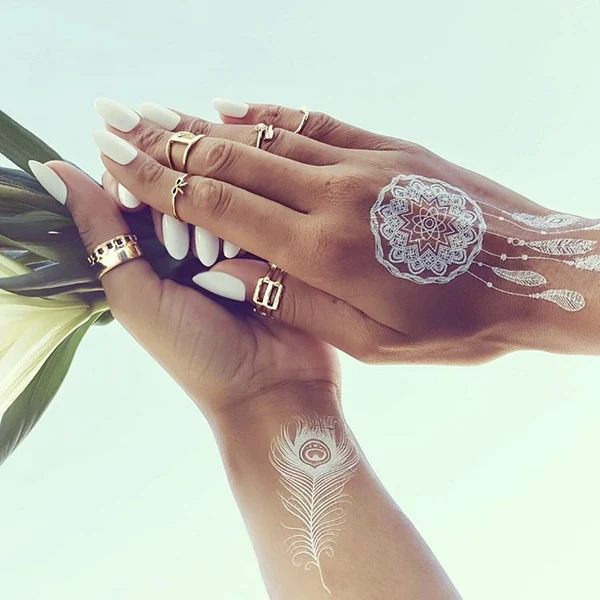
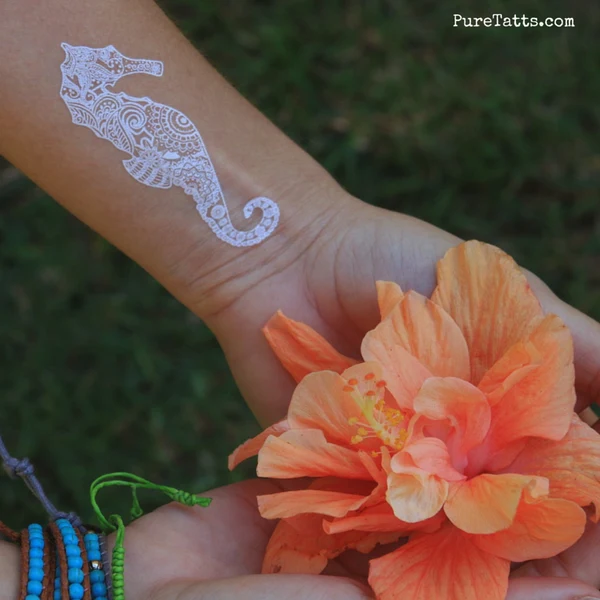
White temporary tattoos create a softer effect, especially on tanned or darker skin, and can resemble paint, chalk or jewellery. Lace-like shapes, filigree and open geometric forms need clear negative space so the white ink does not become a single pale block. These white filigree styles offer useful direction for adapting an intricate sketch.
Test the colour on a small area before an event. White ink may appear differently under indoor lighting than beneath strong Australian sun, and black ink can look more pronounced after application. A quick trial helps you select the version that suits your skin tone and outfit.
Clean, dry skin gives a transfer the best chance of adhering evenly. Wash away sunscreen, moisturiser and body oil, then dry the area fully. Avoid placing the tattoo over cuts, irritated patches, freshly shaved skin or areas affected by a reaction.
Choose a spot with moderate movement and low friction. The outer forearm, shoulder and upper arm are often easier than fingers, elbows or the soles of the feet. If you are heading to Bondi or another beach, apply the design well before swimming, and remember that salt water, sand and repeated towel drying can shorten its life.
Follow the paper or product directions rather than improvising with household adhesives. Press the transfer firmly, hold it still for the recommended time and remove the backing slowly. Let the design dry before adding clothing, sunscreen or accessories that may rub against it.
Your sketchbook can become a library of small, mix-and-match tattoo elements. Draw several versions of the same idea: a full moon, a shell, a native leaf, an abstract eye or a simple line of text. These pieces can be worn alone or combined into a temporary sleeve for a festival or weekend away.
Useful starting points include:
Consider the visual language of the collection as a whole. Similar line weights and spacing will make separate designs feel connected, even if one is inspired by a gum leaf and another by a city skyline. This approach works well for Melbourne laneway events, where a few sharp graphic marks can complement an all-black outfit without dominating it.
Seasonal releases and artist collaborations can also show how professionals balance scale, repetition and negative space. You may discover that your rough sketch works best after removing half its details rather than adding more.
Temporary body art can be treated like an accessory. Pair a small black symbol with silver rings, place a white design beside a woven bracelet, or use several tiny motifs along the collarbone with a simple tank. The result should feel considered rather than crowded.
Placement can change the mood of the same sketch. A design near the wrist feels visible and casual, while one behind the upper arm is more understated. Before applying several pieces, lay them out on paper in their intended positions and check that the gaps feel natural.
For practical styling ideas that work beyond the obvious placement, try these temporary tattoo hacks. They can help you combine finishes, frame a motif with jewellery and make a custom design feel closer to a complete editorial look.
A few placement combinations worth testing:
Longevity depends on the product, placement and daily routine. A temporary tattoo may last several days when kept clean and dry, but frequent swimming, heavy exercise and tight clothing can fade the edges sooner. In Australia’s hot summer months, sweat and sunscreen are common reasons for a shortened wear time.
Apply sunscreen around the design rather than rubbing it directly over fresh ink. Pat the area dry after a shower, avoid exfoliating scrubs and take care when removing wet clothing. If the tattoo starts to lift, do not pull aggressively; a little body oil can help loosen the remaining adhesive at the end of its wear.
Always patch test a new product, particularly if you have sensitive skin or have reacted to cosmetic adhesives before. Remove it if you notice persistent itching, redness or discomfort. A temporary tattoo should be an easy styling choice, not a source of irritation.
Once your sketch is refined, pair it with a professionally illustrated design from Pure Tatts to create a varied collection of black, white and matte finishes. Browse the latest artist-led pieces and seasonal temporary tattoos, then choose a custom-inspired look that is ready for your next weekend, event or everyday outfit.
Posted on
Posted on
Posted on

Posted on

Posted on
Posted on
Posted on