Temporary Tattoo Collection Donates 50% to Animal Rescue!
Posted on
Posted on
Posted on
Temporary tattoos may feel like a playful accessory for a festival, beach day or night out, yet the idea behind them is ancient. Across cultures, people have decorated their skin to express belonging, mark important life stages, honour spiritual beliefs or prepare for ceremonies. The materials have changed, but the desire to make the body part of a story has remained remarkably consistent.
Permanent tattooing requires commitment, planning and aftercare. Temporary body art offers a more flexible way to explore that visual language. A detailed design can complement an outfit for one evening, add personality to a holiday look or let someone test an idea before considering permanent ink.
For Australians, this versatility suits a relaxed lifestyle shaped by long summers, coastal weekends and a busy festival calendar. A temporary design can work at a Melbourne laneway event, a Bondi picnic or a Gold Coast celebration without becoming a year-round decision.
The modern market has moved well beyond novelty cartoon transfers. Independent artists now create intricate geometric patterns, botanical illustrations, white ink effects and matte black designs that look considered rather than disposable. Pure Tatts sits within that shift, treating temporary tattoos as small pieces of wearable art.
The earliest forms of temporary body decoration used materials such as ochre, charcoal, clay, plant extracts and natural dyes. In Aboriginal Australian cultures, body painting has held deep ceremonial, cultural and spiritual significance for thousands of years. Designs, colours and application methods can communicate identity, kinship, connection to Country and the purpose of a gathering. These traditions are distinct from commercial temporary tattoos and deserve to be understood with respect rather than copied casually.
Elsewhere, henna became associated with celebrations across parts of South Asia, North Africa and the Middle East. Intricate patterns could mark weddings, religious occasions and other milestones. Unlike a modern transfer, henna is painted directly onto the skin and gradually fades as the outer skin cells shed. Both practices show that temporary body art has long been capable of carrying meaning, not simply decoration.
As travel and trade expanded, body decoration became more visible across different societies. Sailors brought tattoo traditions into European ports, while performers, soldiers and travellers helped spread new motifs. Temporary marks also appeared in theatre and entertainment, where makeup and painted designs could transform a person for a role without permanence.
By the nineteenth and early twentieth centuries, novelty tattoos were sold as printed transfers. Children collected them, confectionery companies included them in packaging and travelling shows used them as souvenirs. These early designs were usually bold and simple, but they established a commercial model that still exists: an inexpensive, easy-to-apply image that creates an immediate change in appearance.
Temporary tattoos gained a major boost through late twentieth-century advertising, music videos and children’s products. Brands used them for promotions, while celebrities and performers made visible body art more familiar to mainstream audiences. The designs were often colourful, glossy and deliberately playful.
Fashion later shifted the mood. Minimal linework, metallic finishes and realistic illustrations brought temporary tattoos into adult wardrobes. They became suitable for a dinner, a photoshoot or a summer event rather than only a party bag. Social media accelerated the change, allowing independent artists to share designs directly with customers around the world.
A temporary tattoo is often chosen because it offers room to experiment. Someone might try a geometric forearm design before booking a permanent appointment, wear a small symbol for a special occasion or coordinate several pieces with a monochrome outfit. The commitment lasts for days rather than decades, which makes the format appealing to people who enjoy changing their style.
The contrast between a short lifespan and careful craftsmanship is central to contemporary temporary body art. High-resolution printing, better skin-safe adhesives and finely scaled artwork can produce crisp edges and subtle shading. The best designs feel intentional, with placement and proportion considered as carefully as they would be for permanent ink.
| Style | Visual Character | Good Fit For |
|---|---|---|
| Matte black | Soft, graphic and understated | Everyday outfits and evening looks |
| White ink effect | Pale, scar-like or embossed appearance | Minimal styling and editorial photos |
| Geometric | Balanced lines, symbols and repetition | Modern wardrobes and statement placement |
| Fine illustration | Detailed botanical, animal or artistic imagery | Personal expression and special events |
Temporary designs also suit Australian routines. A removable piece can accompany a weekend in Byron Bay, a music festival or a footy celebration, then fade before a conservative workplace week. In a market where online shopping, local makers and seasonal drops influence fashion purchases, limited-run artwork can feel more distinctive than mass-produced accessories.
The modern temporary tattoo is increasingly shaped by illustrators and tattoo artists rather than anonymous clip-art libraries. Hand-drawn artwork gives each collection a recognisable point of view. Fine lines, asymmetry, deliberate negative space and unusual motifs can make a small transfer resemble a miniature print.
Collaborations add another layer of meaning. When an artist creates a capsule collection, customers can discover their visual language without buying a canvas or booking a permanent appointment. This approach also supports seasonal releases, featured artists and limited editions, all of which encourage collecting without requiring a permanent alteration.
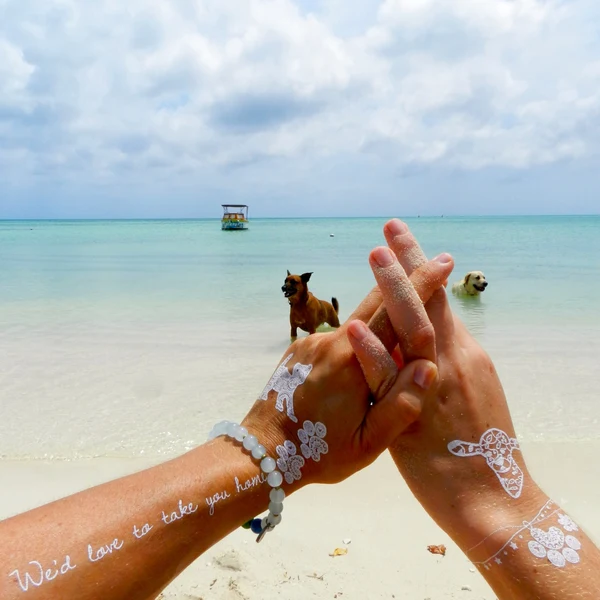
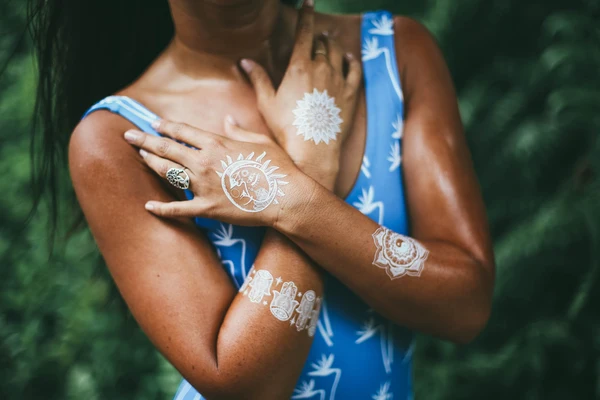
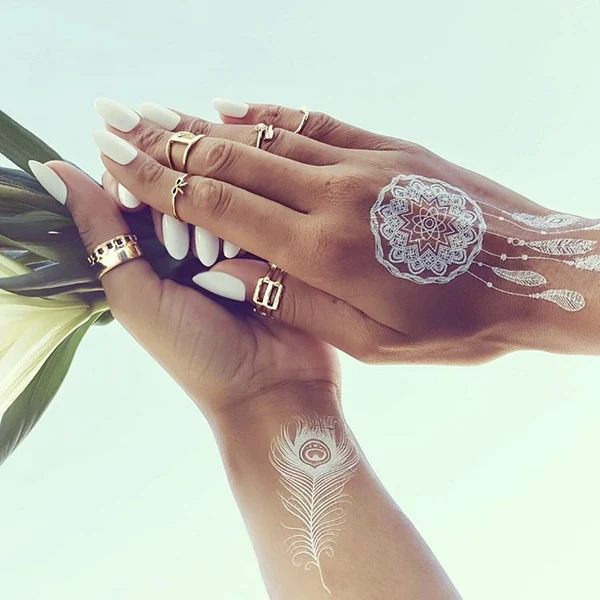
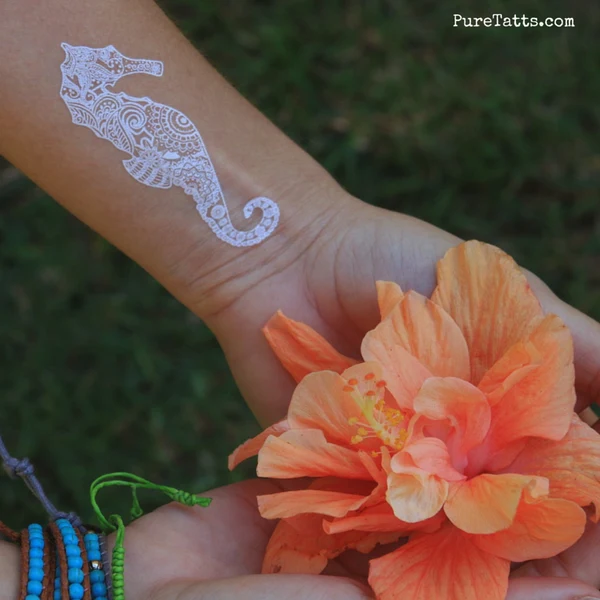
For shoppers interested in pale body art, the visual effect depends on more than colour alone. Skin tone, lighting, placement and the texture of the design influence how a white temporary tattoo reads. Pure Tatts explores this effect in white ink tattoos, including why certain designs can resemble real scars or raised marks in photographs.
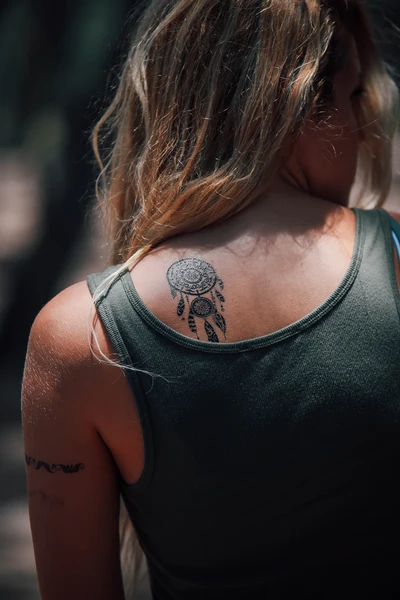
Black-and-white temporary tattoos have a graphic quality that works across different clothing palettes. Matte black can look bold against bare skin, while white designs create a quieter, almost hidden detail. This makes them suitable for people who prefer a restrained aesthetic but still want a visible point of difference.
Placement can change the character of the same design. A small white mark near the collarbone may feel delicate, while a black geometric piece on the upper arm can appear architectural. Hands, ankles and shoulders are popular for visibility, although areas exposed to frequent rubbing, swimming or sunscreen may affect how long a temporary tattoo remains crisp.
Pure Tatts’ white special edition designed by Emily Deechaleune demonstrates how a limited artist release can turn a temporary piece into a collectible style object. It is less about copying permanent ink and more about using the skin as a temporary surface for illustration.
Applying a temporary tattoo has its own small ceremony. Clean, dry skin helps the design adhere, while avoiding oils and moisturiser immediately beforehand can improve the result. A careful press, a little water and patience during removal of the backing paper are usually more effective than rushing the process.
Temporary body art should be used according to the product instructions and kept away from irritated or broken skin. Black henna products containing undisclosed chemical dyes can cause serious reactions, so reputable sourcing matters. Consumers in Australia are accustomed to checking ingredients, delivery times and retailer credibility online, particularly when ordering beauty and lifestyle products from interstate or overseas.
The ritual also includes choosing when a design should disappear. Unlike permanent tattooing, fading is part of the appeal. It allows a person to revisit a favourite motif later, try a new artist for the next season or keep their appearance adaptable as work, travel and personal style change.
Temporary tattoos have travelled from ceremonial marking and natural pigments to printed transfers and artist-led online collections. Their history reflects a broader human interest in using the body as a place for memory, identity and visual expression. The contemporary version is lighter in commitment, but it can still feel personal and thoughtfully chosen.
For Australian customers, the appeal lies in that balance of creativity and practicality. A temporary tattoo can handle a spontaneous arvo plan, add detail to a black outfit or bring a little gallery-like polish to a summer gathering. Explore Pure Tatts’ hand-drawn black, white and geometric designs to find a piece that fits the moment, then let your next style chapter evolve when the mark fades.
Posted on
Posted on
Posted on

Posted on

Posted on
Posted on
Posted on