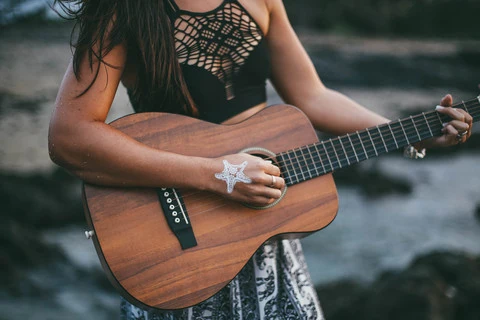
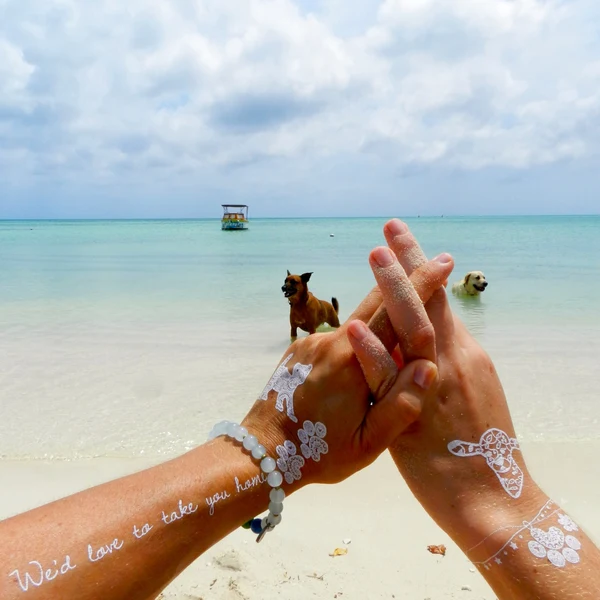
Temporary Tattoo Collection Donates 50% to Animal Rescue!
Posted on

Posted on
Posted on
A blank patch of skin becomes the loudest part of the design. That is the heart of negative space tattooing: the artist inks shapes, lines and silhouettes, then deliberately leaves untouched areas to form recognisable imagery. The void is doing real work, drawing wings from the space between two curved black blocks, or summoning arrows out of an empty forearm. Viewers do half the labour in their own head, and that participatory pull is what gives the style its punch.
Minimalism in body art has been gathering speed for years, driven by a wider cultural appetite for stripped-back design across fashion, interiors and branding. Black ink photographs beautifully against most skin tones, ages well, and refuses to fight with whatever outfit sits next to it. Negative space pieces stretch that restraint even further by trusting the viewer's eye rather than filling every available gap.
Brands built around hand-drawn work, like the range at Pure Tatts, sit comfortably beside this philosophy. Each design begins as a sketch before any ink is imagined, meaning the empty regions are planned rather than incidental. The result is artwork where skin is treated as an equal collaborator rather than a passive surface, and the same ethos travels neatly from page to body.
What follows looks at how negative space really works on skin, why hand-drawn designs sharpen its impact, which palettes suit it best, the studios shaping the Australian scene, aftercare in a harsh local climate, and the temporary routes worth exploring before any permanent commitment.
Negative space design borrows from centuries of visual art, particularly printmaking and woodblock traditions where the white of the paper formed part of the image. Tattoo artists translate that logic onto a moving, living surface, using ink to draw boundaries rather than figures. A crescent moon might appear as the uncoloured gap between two curved black bands. A fox might emerge from the shadowed slit running down a sleeve.
The technique relies on high contrast and clean edges. Sloppy lines collapse the illusion instantly, because the eye stops trusting the void and starts noticing the wobble. Skilled artists plan negative regions as carefully as inked ones, sketching silhouettes first and letting the skin fill in the rest once healed. The tattoos read bold from across a room and reveal finer detail up close, a duality that suits both street style and gallery settings.
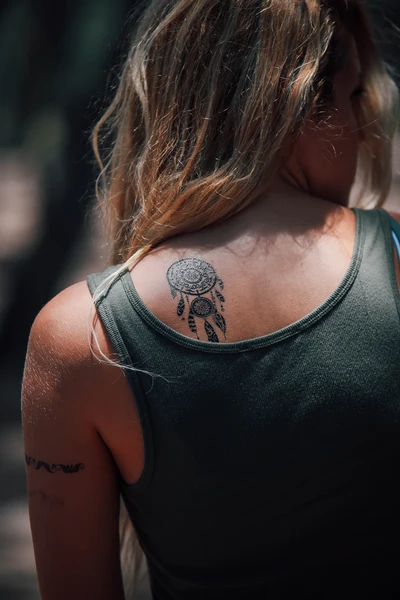
Hand-drawn artwork carries small tremors and asymmetries that stamped or digitally generated templates cannot fake. In a style where the empty skin is doing half the storytelling, those imperfections become part of the personality rather than flaws to hide. A pencil wobble at the edge of a black crescent makes the moon feel sketched, not stamped. The organic pull of drawn work explains why so many collectors chase artists whose portfolios look visibly human.
The gap between traced symmetry and freehand linework is a recurring theme in the conversation around modern tattoo craft, and a thoughtful read of hand-drawn organic feel unpacks how that texture translates to skin. Artists who draw from observation rather than reference libraries tend to design compositions with breathing room, and negative space flourishes inside that generous spacing.
Black ink is the obvious carrier for negative space work, because maximum darkness against bare skin gives the strongest optical contrast. White ink sits at the other end, used sparingly for highlights, frost effects, or to add detail on deeper skin tones where black can read flatter. Matte black ink has surged in popularity for this style because it absorbs light without the slight gloss that traditional blacks produce, keeping the silhouette graphic and the empty regions crisp.
Each palette carries trade-offs around healing, ageing, and visibility on different skin tones.
| Palette | Strength on skin | Ageing behaviour | Best suited to |
|---|---|---|---|
| Matte black | High contrast, graphic read | Holds shape well, softens gradually | Bold negative space shapes, large sleeves |
| Traditional black | Strong, with subtle sheen | Reliable, slight fade over years | Fine line negative work, detailed pieces |
| White ink | Soft, glow-like finish | Can yellow or fade faster | Highlights, accents on deeper complexions |
| Combined black and white | Layered depth, dimensional read | Needs careful aftercare | Statement pieces blending void and glow |
Australia's tattoo culture has grown from coastal surf-town roots into a sophisticated national scene, with particular hotspots drawing collectors from across the country. Byron Bay studios lean into flowing, nature-driven work that suits negative space florals and animal silhouettes. Fitzroy and Brunswick in Melbourne anchor the street-art crossover, where designers who once painted laneways now translate that graphic language to skin. Fremantle, just south of Perth, hosts a smaller but fiercely independent community with a strong maritime flavour, fishing hooks, whales and abstract coastlines, that lends itself to bold contrast work.
Pricing across the country is quoted in Australian dollars and tends to cluster between two hundred and four hundred per hour for established artists in capital cities, with regional studios often a touch cheaper. Walk-ins remain common in tourist strips along the Gold Coast and Cairns, though serious collectors tend to book months ahead with their preferred artist. Tipping is uncommon here, with most clients simply paying the quoted rate and referring mates when the work heals well.
Australian sunlight is relentless, and a fresh tattoo sitting in the arvo sun at Bondi or St Kilda can fade before it has properly settled. High-factor sunscreen becomes part of the routine once a piece is fully healed, applied daily through summer when the UV index regularly tops twelve. Fresh ink needs to stay covered, kept clean, and out of both surf and chlorinated pools for at least a fortnight. Salt water feels soothing but pulls colour along with the sting.
Healing skin also behaves differently in humid coastal conditions compared with dry inland air. Sweat can clog new ink, meaning loose cotton clothing and gentle washing matter more than they might in milder climates. A follow-up appointment six to eight weeks later lets the artist check that the negative regions still read as intended once swelling has settled, and most reputable Australian studios include this top-up in the original quote.
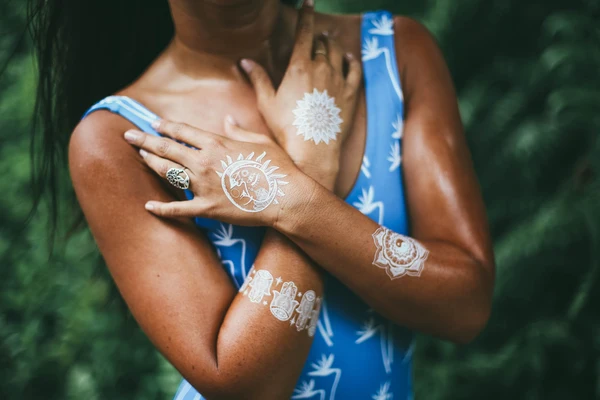
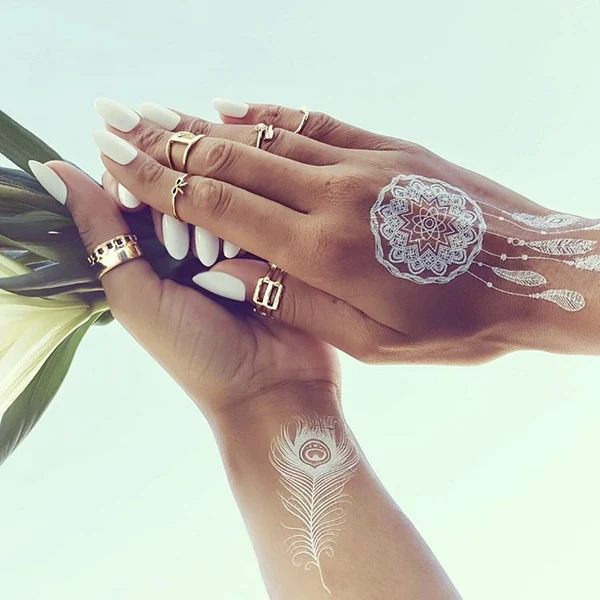
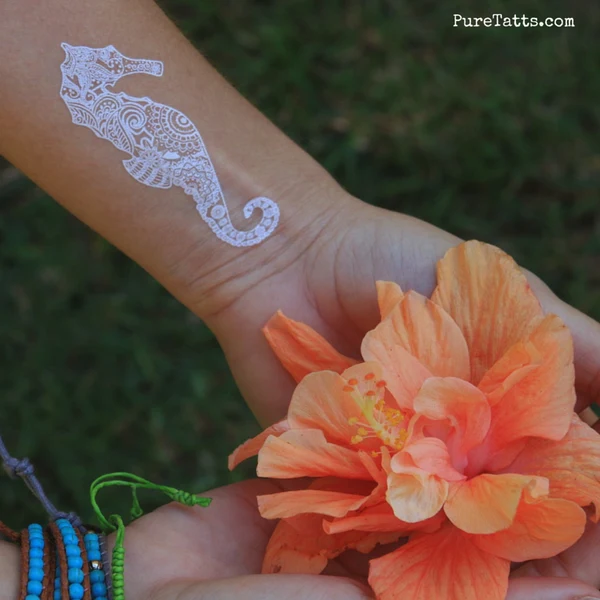
Permanent commitment is not the only path into this aesthetic, and trying a temporary version first can save regret. Pure Tatts produces detailed, hand-illustrated pieces across black, white and matte black ranges, designed to mimic the look of real ink closely enough to test a placement, photograph it in different outfits, and live with the silhouette for a week or two. Festival season, running from December across the summer months, is a popular window for Australians testing new looks ahead of tropical music weekends and coastal skate gatherings.
For anyone curious about how a negative space design might sit on a forearm, shoulder blade or ribs before booking a studio session, browsing the Pure Tatts shop offers a low-stakes way to compare sizes, placements and styles. Temporary pieces also let friends who plan tattoos weigh in honestly before anything permanent lands on skin, since most Australians reckon with negative space only after a few test runs.
Sign up for the brand's seasonal email drops to catch new artist collaborations, limited-run designs, and the occasional discount code that pops up around major holidays. Treat the first wear as a dress rehearsal, photograph it in different light, and let the design earn its place before any studio booking.
Posted on
Posted on
Posted on

Posted on

Posted on
Posted on
Posted on