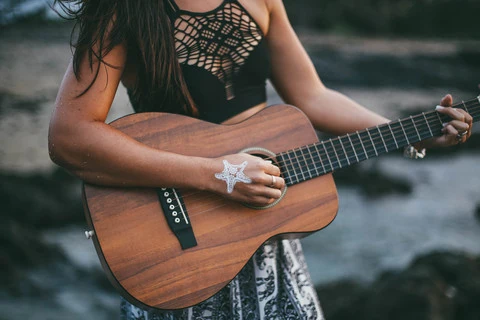
Temporary Tattoo Collection Donates 50% to Animal Rescue!
Posted on
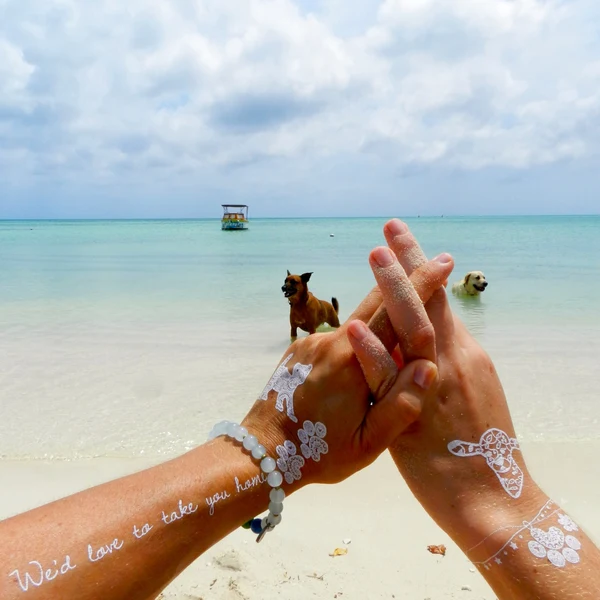

Posted on
Posted on
The alarm goes off at 5:30am, the air still holds a bit of cool, and the pavement outside your front door in Brisbane or Sydney is begging for a few quiet kilometres before the day kicks in. A morning loop is one of the simplest rituals Australians build around exercise, and what you wear on your skin should match that feeling of ease. Short-lived body art has quietly become a small luxury for runners who want something expressive but breathable, especially during the sticky summer months when heavier accessories start to feel like a chore.
If your usual routine involves slipping on a singlet, lacing up trainers, and heading toward the closest stretch of coastal path or suburban loop, a barely-there design can sit comfortably on your shoulder, wrist, or calf. The modern crop of detailed ink-free pieces from brands like Pure Tatts comes with the kind of fine linework that reads clearly in motion without weighing the skin down. They peel off afterwards, leaving no trace and no regret.
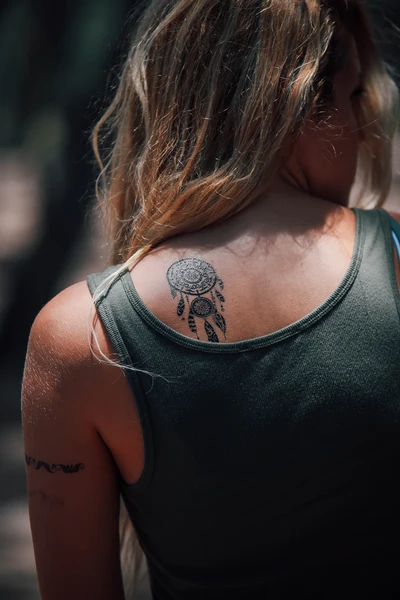
The appeal of running-friendly body decoration comes down to weight, breathability, and visual reward. Athletes tend to prefer layers that move with them rather than against them, and the lightest modern decals feel almost like a second skin after the first few minutes. Many geometric shoulder tattoo designs used today are made with thin paper backing and pressure-sensitive adhesive that bends instead of cracking when you stretch.
In Australia, where parkruns gather thousands of locals every Saturday and Sunday morning, having something expressive yet understated has become part of the culture. Runners often choose minimal tattoos in matte black or white to keep their look clean in any season, especially when paired with reflective gear.
Humidity is a reality that coastal runners know well. By November in Sydney, even an early 6am start can mean walking out into thick, warm air. The right short-term body decoration for this climate is one that does not trap moisture under its surface but still clings through the full run. Detailed botanical or line-art patterns work particularly well, and Emily's white edition is a clean entry point for runners who prefer a softer contrast.
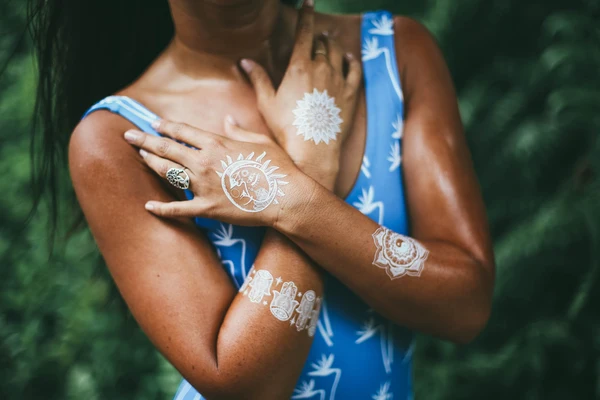
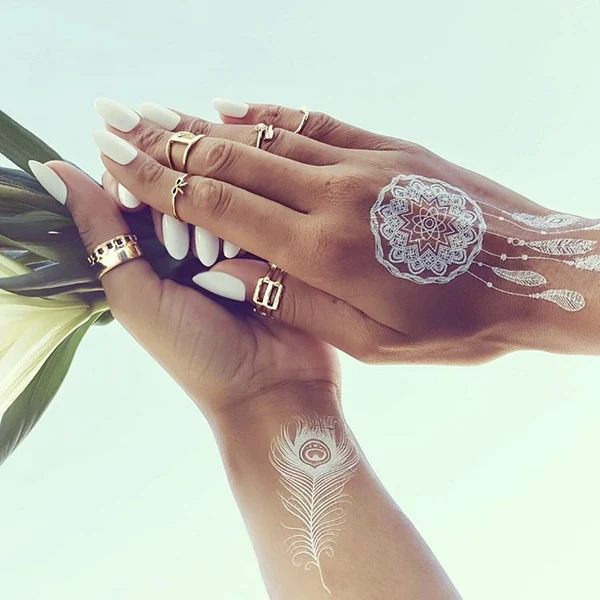
These white-based pieces pair beautifully against tanned or olive complexions, which makes them a popular choice for runners from Coogee to Cottesloe who want body art that pops in bright morning light. Match them with breathable activewear in neutral tones to let the design speak for itself.
The key to a tattoo surviving a five or ten-kilometre loop is how it is applied the night before or the morning of. Clean, dry, oil-free skin gives the adhesive the best chance to bond without lifting at the edges. Runners often press the design firmly with a damp cloth for thirty seconds, peel slowly, and let the pattern set while they stretch or sip their pre-run coffee.
A hand-drawn geometric pattern across the shoulder blade, a slim wave along the forearm, or a tiny constellation near the ankle all tend to last through sweat because they have minimal raised edges. After the run, a cool shower rather than a hot one helps the adhesive release gently without staining or pulling.
Placement matters as much as design. The shoulder, upper back, ribcage, and outer thigh are popular zones among Australian runners because they do not flex as aggressively during a sprint or hill climb. A flowing pattern across the scapula looks intentional even under a loose running singlet and does not catch on bag straps during a recovery walk through Melbourne's tan track or along the riverwalk in Brisbane.
For those who run shirtless on summer mornings or prefer crop tops, the side of the torso or the lower hip is a forgiving area. Tattoos placed there tend to stay flatter against the body during high-intensity intervals and are easy to conceal under everyday clothing for work or study.
Running gear has its own quiet aesthetic, and temporary art can complement the look without competing with bright trainers or reflective stripes. Earth-toned or solid black activewear paired with white-detailed temporary pieces feels considered rather than busy. A single fine-line design on the wrist also doubles nicely as a subtle accent when you check your watch at the trailhead.
For runners who like to match with a training partner, subtle matching tattoo patterns are an easy way to celebrate an anniversary, a shared City2Surf entry, or simply a quiet Saturday together. Two small dots, a pair of arrows, or matching geometric fragments can sit on inner wrists or ankles for a low-key morning look.
Looking after a tattoo post-run is mostly about restraint. Patting the area dry instead of rubbing it, avoiding harsh exfoliants for the first day, and resisting the urge to scratch when sweat dries all help preserve the linework. A gentle rinse with lukewarm water is usually all that is needed before towelling off and going about the rest of the day.
If the tattoo starts to fade after a long run, it lifts evenly without leaving any residue, which is one of the bigger wins over real ink for athletes who train often. There is no healing scab, no sun restriction, and no long-term commitment. That flexibility suits runners who want to rotate designs with each season or new training block.
A few designs tend to earn a spot in the rotation for runners who enjoy variety without fuss:
If your next Saturday morning includes a parkrun, a Bay Run at Homebush, or a beach loop from Bondi to Bronte, slip on a decal the night before and let it fade away by Monday morning.
Ready to make your next kilometre a little more personal? Browse the full Pure Tatts collection for fresh patterns suited to early light, humid air, and a fast warm-up. New seasonal drops, artist collabs, and featured pieces go live on the homepage often, and signing up to the email list puts early discounts and releases straight in your inbox.
Posted on
Posted on
Posted on

Posted on

Posted on
Posted on
Posted on