Temporary Tattoo Collection Donates 50% to Animal Rescue!
Posted on

Posted on
Posted on
Aussie summers don't hold back. From December through February, temperatures in Brisbane regularly climb above 30°C, and even Melbourne can crack 40°C during a dry spell. If you're wearing a temporary tattoo to a beach day at Bondi, a backyard barbie in Perth, or a festival in Adelaide, the combination of sweat, sunscreen, and harsh sun can shorten its life fast. Knowing how to make temporary tattoos last longer on hot days is the difference between a design that survives the whole weekend and one that fades after a single swim.
The good news is that premium black-and-white designs, like the ones from Pure Tatts, are already built for visual impact. Their hand-drawn detail holds up well against bright light, but even the best temporary tattoo needs a little help when the mercury rises. With the right prep, application, and aftercare, you can keep your ink crisp from sunrise yoga in Surry Hills to a late-night swim at Cottesloe.
This guide covers the simple habits that make the biggest difference when the weather turns sticky. You'll learn what to do before you apply, how to handle sweat and water mid-day, and which designs naturally last longer in the Australian heat. Each tip is practical, low-fuss, and easy to slot into a busy summer schedule.
If you've been disappointed by tattoos that peeled off after one dip in the ocean or a sweaty train ride into the CBD, the fixes are quick. The products are accessible, the techniques take minutes, and the results speak for themselves once you see your design still sharp after a full day outdoors.
The number-one reason temporary tattoos fade early is moisture trapped underneath the design. On a humid day in Sydney or after a workout at the gym, your skin produces more oil and sweat than usual, both of which weaken the adhesive. Wipe the area with rubbing alcohol or a micellar water pad and let it dry completely before you peel the backing off. Skip the moisturiser on the spot you plan to tattoo, even if the rest of your body is slathered in it.
Exfoliation also helps, but gently. A soft loofah or a mild scrub the night before removes dead skin cells and creates a smoother surface for the design to grip. Avoid shaving the area right before application, because freshly shaved skin can lift the edges within hours, especially when combined with sunscreen and sweat. If you do need to shave, give it at least 24 hours before you apply.
Finally, choose your placement wisely. Areas that rub against clothing, like the inner wrist under a watch strap or the hip under a waistband, will lose detail faster. The upper arm, shoulder blade, or back of the neck tends to stay drier and less prone to friction, which is why you'll often see festival looks on display in those spots.
Applying a tattoo right before you walk into 35°C sunshine is a recipe for early peeling. The adhesive needs time to bond with your skin, and heat accelerates the drying process unevenly. Aim to apply your tattoo the night before a big event, or at least a few hours beforehand, so the design can settle while you're in air-conditioning or a cooler part of the day.
When you do apply, press the tattoo down with a damp cloth for the recommended time, then lift slowly to check the transfer. If edges are lifting, press again with a little more pressure. Hold your hand steady for an extra 30 seconds over any fine line work, because those details are the first to disappear once sweat gets under the film.
Avoid touching the fresh tattoo with oily fingers or sunscreen for the first hour. If you're heading to an outdoor event like a cricket match at the SCG or a Christmas lunch on the patio, plan your application so you can sit in the shade while it sets. A small fan or a cool breeze helps the adhesive cure without trapping moisture underneath.
Sweat is the biggest threat on a hot day, but salt water and chlorinated pools are close behind. A quick rinse after a swim is better than rubbing the area with a towel, because friction lifts the edges. Pat dry gently and let the design air-dry the rest of the way. If you're spending hours at the beach, rinsing off after every swim keeps salt crystals from settling into the fine lines and dulling the contrast.
Sunscreen is essential in Australia, but it can be the enemy of a temporary tattoo if applied directly on top of the design. Choose a mineral or powder-based SPF for the tattooed area, or apply your regular sunscreen around the design and let a light dusting of zinc cover the tattoo itself. Many Australians already carry a zinc stick in their beach bag for nose and cheek protection, and it works brilliantly over black ink without breaking it down.
For very sweaty days, an antiperspirant wipe on the surrounding skin, not the tattoo itself, can reduce dripping. If you notice edges starting to lift during a long shift at a music festival or a hike in the Grampians, keep a small precision brush and a bit of cosmetic-grade eyeliner on hand to redefine the line until you can properly reapply.
Even with the best prep, a tattoo that has survived a full Australian summer day will show some wear at the edges. Rather than peeling the whole thing off and starting again, you can extend its life with a few touch-up tricks. A cotton bud dipped in a tiny amount of eyeliner glue or spirit gum, applied only to the lifting corner, can press the edge back into place without damaging the centre of the design.
Setting sprays designed for makeup also work surprisingly well over temporary tattoos. Hold the bottle 20cm away and mist lightly, then let it dry without touching. This adds a thin protective layer that repels sweat and slows UV fading. Reapply every few hours during long outdoor events, especially if you're moving between sun and shade, like a market stall in Fremantle followed by drinks on a rooftop.
If a design has truly had its day, soak it in warm water with a few drops of baby oil and gently roll it off with your fingertips. Don't scrub, because you want to leave the skin ready for the next tattoo rather than irritated. A light moisturiser afterwards restores the barrier and prepares the area for round two.
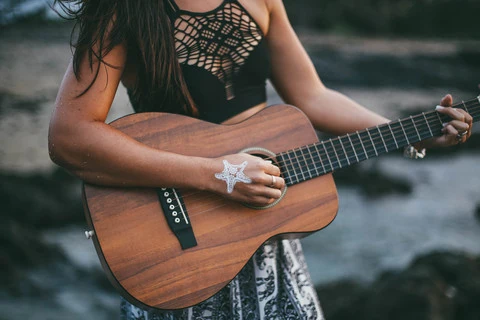
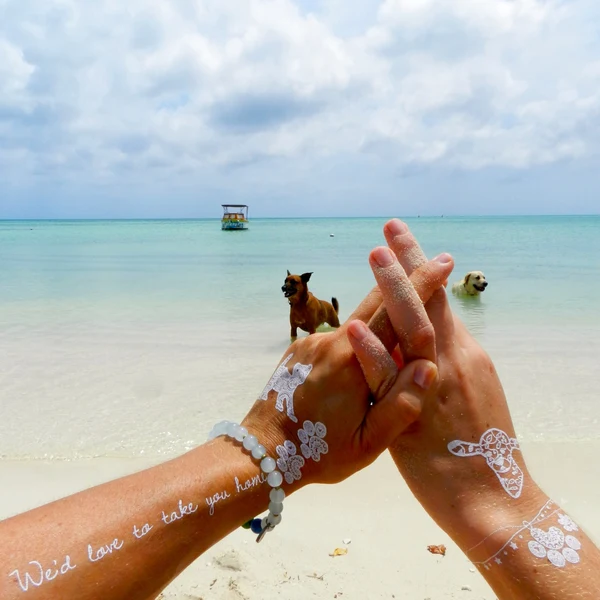
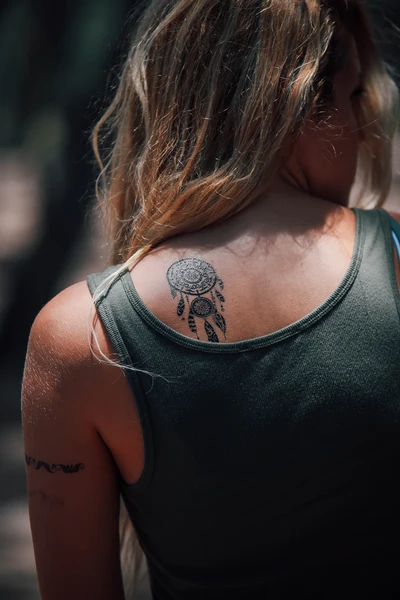
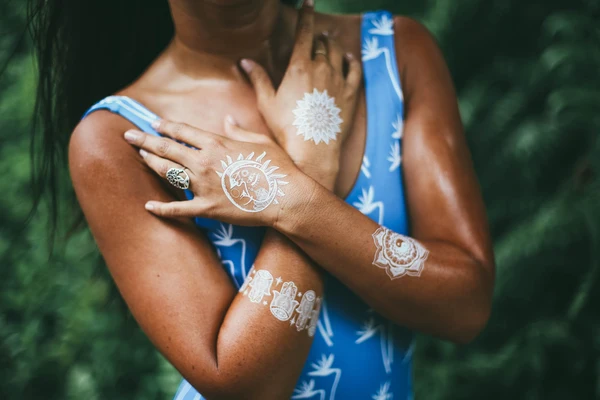
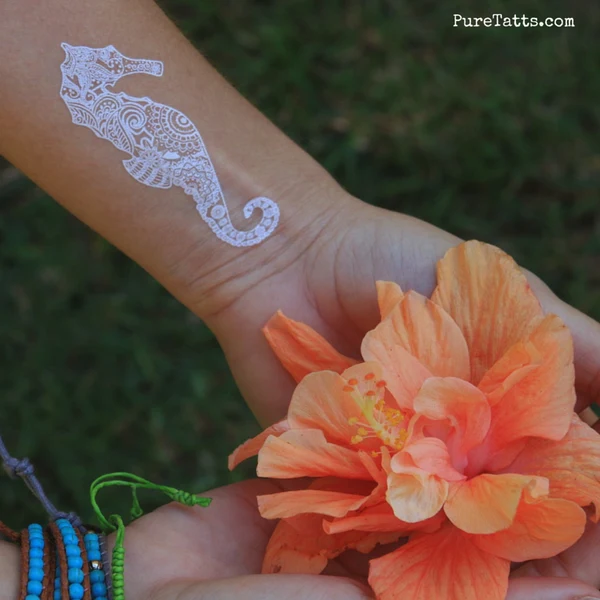
Not all temporary tattoos handle heat the same way. Pure Tatts offers three main styles, and each behaves a little differently when the temperature climbs. Dense geometric pieces and matte black designs tend to hold up best because the ink coverage is high and the edges are sharp, which means even minor fading is less obvious. White ink tattoos look striking against tanned skin, a popular look at outdoor events in Noosa or Byron Bay, but they show sweat marks more readily and benefit from extra setting spray.
Design size also plays a role. Smaller pieces, like a tiny symbol behind the ear or on the finger, are easier to protect and reapply, while larger sleeves or back pieces demand more careful planning. If you're after something that lasts through a multi-day event like a wedding in the Barossa Valley or a long weekend at the coast, lean toward compact geometric designs in matte black.
For inspiration on standout pieces that hold up beautifully in the heat, the our artist collaboration series spotlight on artist name page showcases work created with Australian summers in mind. Choosing a design with strong linework and balanced contrast gives you a head start before you even begin application.
| Tattoo style | Sweat resistance | UV fading | Best setting | Typical hold |
|---|---|---|---|---|
| Geometric black | High | Low | Festivals, sport, beach | 3–5 days |
| Matte black | High | Minimal | Day-to-night, parties | 4–7 days |
| White ink | Medium | Moderate | Sunset photos, evenings | 2–4 days |
Browse the Pure Tatts collection, pick a design that suits your summer plans, and apply it the night before your next event. For more application tricks, product care advice, and answers to the most common questions, the temporary tattoo FAQs page has everything you need to keep your ink looking sharp from the first coffee to the last swim.
Posted on
Posted on
Posted on

Posted on

Posted on

Posted on
Posted on