Temporary Tattoo Collection Donates 50% to Animal Rescue!
Posted on

Posted on
Posted on
Australia's love affair with body art is undeniable, and few things feel more quintessentially Aussie than rocking a fresh design down at Bondi or during a backyard barbie in the arvo sun. For folks with sensitive skin, though, the idea of slapping something onto their dermis can be a bit nerve-wracking. The good news is that premium temporary tattoos give you the look without the lifelong commitment or the needle, provided you treat your skin kindly.
Sensitive skin reacts to friction, adhesives, sun, sweat, and harsh chemicals. Temporary tattoos rely on a thin adhesive layer to stay put, so anyone prone to redness, itching, or eczema flare-ups needs a slightly different approach. This guide walks through the practical steps for prepping, applying, wearing, and removing these designs without compromising your skin's comfort. We'll lean on Australian climate realities, local product availability, and a few habits that suit our sunburnt country's unique conditions.
Sensitive skin is more than a marketing phrase; it describes a real tendency toward irritation, stinging, or allergic responses when the skin meets unfamiliar substances. In Australia, where the UV index regularly tips past eleven in summer and the air can swing from dry outback breezes to humid coastal dampness, that reactivity gets tested daily. People who blush easily after a hot shower or who react to certain sunscreens usually fall into this category.
Temporary tattoos are applied via a water-activated adhesive that bonds the printed design to the top layer of skin. The pigments used by reputable makers are cosmetic-grade, but the adhesive itself can occasionally trigger reactions in vulnerable skin types. Knowing your triggers - fragrance, latex, certain dyes, heavy scents in soaps - helps you choose products, including body art, that play nicely with your epidermis. Reading the frequently asked questions before you buy is a smart habit for first-timers and seasoned wearers alike.
Prep is everything when your skin is on the reactive side. Start by cleansing the area with a fragrance-free, soap-free wash and patting it dry rather than rubbing. Skip heavy body lotions, body oils, and mineral-based sunscreens in the immediate spot where the design will sit. Oils lift adhesive and cause designs to peel early, but going completely product-free can leave skin feeling tight and itchy too.
Exfoliation should be gentle and infrequent: a soft cloth or a mild scrub once a week is enough to lift dead skin cells without stripping the barrier. If you shave, do it at least twenty-four hours before applying so any micro-cuts have time to close. Australian shoppers often find that chains such as Priceline and Chemist Warehouse stock fragrance-free QV, Cetaphil, and La Roche-Posay lines at reasonable AUD prices, making prep easy to maintain on most budgets.
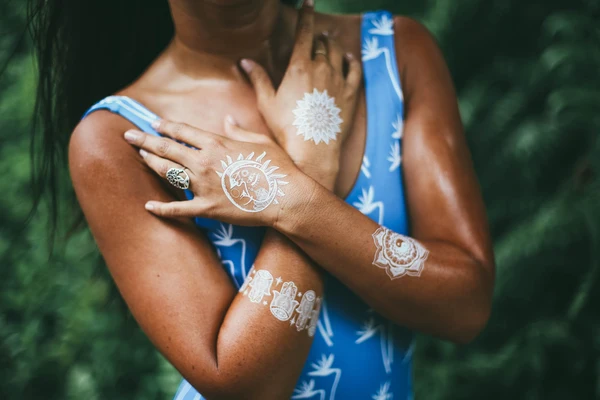
Not every tattoo behaves the same way on sensitive skin. Heavily pigmented matte black and intricate geometric pieces often contain slightly more ink density, which means longer skin contact and a marginally higher chance of irritation. White tattoos, ironically, sometimes contain titanium dioxide, a common sensitiser for a small percentage of wearers, so always patch-test first on a small patch near the inner wrist.
Choosing hand-drawn pieces with clean lines and breathable negative space reduces sweat build-up, which is a frequent culprit behind itchiness. Detailed floral work, fine-line constellations, and minimalist scripts tend to perform well across skin types. Browsing high-fashion runway looks can spark ideas about which patterns hold up under harsh stage lighting and which might translate well to your wardrobe rotation.
Application day should be calm, cool, and unhurried. Cut your tattoo to size, peel the clear top sheet, and place the design face-down on the skin. Hold a damp - not dripping - cloth against the back for thirty to forty seconds, pressing evenly without rubbing. Resist the urge to keep dabbing; patience here pays off with cleaner lines and less need to fix mistakes later on.
If you live somewhere humid, like Brisbane in February or Darwin year-round, work in a cool room with a fan running. Perspiration undermines adhesion and can leave residue behind once removed. After the backing paper lifts away, give the design a full five minutes to set before clothing touches it, and avoid tight waistbands, hat brims, or bra straps pressing against fresh art for the first hour or two of wear.
Australia's climate throws a few spanners at temporary tattoos. High UV exposure, salt water, chlorine, and sweat all shorten wear time considerably. Apply a broad-spectrum SPF 50+ over the design once fully set - physical zinc-based formulas tend to play more gently with temporary ink than chemical absorbers, which can fade colour faster. Reapply every two hours, especially during cricket matches, beach swims, or long afternoons at the footy.
After a session in the surf at Manly or a lazy lap at your local pool, rinse the tattoo with fresh water and pat dry. Avoid alcohol-based wipes and antibacterial gels near the design, as they strip both pigment and moisture. If you notice redness creeping in around the edges, it is usually sweat or friction rather than the ink itself - a cool compress and a fragrance-free moisturiser on the surrounding skin will generally calm things down. For broader skin-saving tactics during warmer months, the hot weather care guide walks through extra steps tailored to Australian summers.
Removal should never feel like punishment. Soak the area in warm water for a minute or two, then apply a few drops of baby oil, coconut oil, or a fragrance-free make-up remover onto a cotton pad. Hold the pad against the design, let it sit, and gently roll away the loosened ink. Avoid scrubbing motions, pumice stones, and sticky tapes marketed as tattoo erasers - they lift more skin than pigment.
For particularly stubborn spots, a second application of oil usually does the trick. Once the design is fully gone, rinse with lukewarm water and apply a soothing, barrier-repair moisturiser. Australian brands like Mukti and the native botanicals from Dindi Naturals offer gentle post-removal care that won't sting freshly exfoliated skin.
Building a small daily routine around your body art keeps your skin comfortable and your designs looking sharp.
If irritation persists beyond a day, take a break from wearing tattoos until the skin fully recovers. Picking up new designs and styling tips along the way is part of the fun, so there's no rush to keep covering up.
Browse the latest seasonal collections, sign up for first-look emails, and find a piece that suits both your wardrobe and your skin type - your next favourite design is just a short scroll away.
Posted on
Posted on
Posted on

Posted on

Posted on

Posted on
Posted on