Temporary Tattoo Collection Donates 50% to Animal Rescue!
Posted on

Posted on
Posted on
A dance costume is shaped by motion, lighting and the changing relationship between the body and the stage. Temporary tattoos can add another visual layer, tracing the line of a shoulder, extending a hand gesture or creating rhythm across the skin without the permanence of conventional ink.
For performers in Australia, the right design also needs to work through warm rehearsals, quick costume changes and close-up photography. Pure Tatts offers detailed black-and-white temporary tattoos, including geometric, white and matte black styles that can be adapted to contemporary dance, ballet, jazz, hip-hop and performance art.
| Style | Visual effect in motion | Strong placement | Best performance mood |
|---|---|---|---|
| Fine-line | Light, fluid and delicate | Fingers, wrists, collarbone | Ballet or lyrical dance |
| Matte black | Bold, graphic and defined | Shoulder, forearm, calf | Hip-hop or theatrical work |
| White | Ethereal under selected lighting | Ribs, upper arm, back | Contemporary or evening shows |
| Geometric | Structured and rhythmic | Spine, shoulder blade, ankle | Modern or abstract choreography |
| Floral | Organic and expressive | Shoulder, hip, wrist | Jazz, cabaret or artistic dance |
A temporary tattoo should follow the body’s natural pathways. Curving lines can echo a port de bras, angular shapes can reinforce sharp choreography, and repeated details can create a sense of rhythm as the dancer turns. A design that looks beautiful in a product photograph may feel disconnected once the arm extends or the torso bends.
Think about the choreography’s dominant qualities before choosing artwork. Spirals and fine botanical lines suit flowing contemporary sequences, while strong black geometry can sharpen fast footwork and isolated hits. For a group performance, matching motifs can unify the cast without making every dancer look identical.
Scale matters as much as style. A small mark can appear elegant during an intimate solo, while a larger design may be needed for a theatre audience. Consider how far the audience will be seated and whether the dance will be filmed for social media, where close-up details can become part of the performance identity.
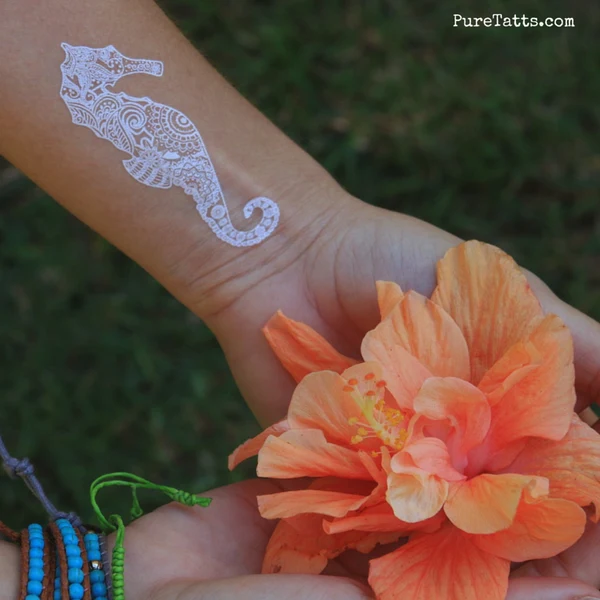
Fine-line temporary tattoos create a soft visual trail as the hands and wrists move. They are especially effective for lyrical dance, ballet and contemporary pieces where the audience follows extended fingers, curved elbows and open palms. The fine-line finger styling guide can help when the performance relies on detailed hand gestures.
Matte black designs deliver stronger contrast against bare skin, pale costumes and bright stage washes. They suit street dance, jazz and dramatic theatrical work, particularly when the choreography includes deliberate stops or powerful directional changes. A bold mark on the outer forearm or shoulder can make a brief pose read clearly from the back of a venue.
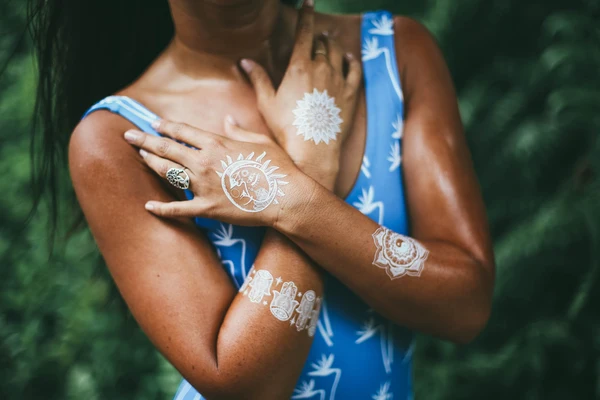
White temporary tattoos have a different effect. They may appear subtle in daylight but become striking beneath carefully chosen coloured lighting, especially against deeper skin tones or dark costumes. Test them under the actual stage lights, since white ink can soften under a strong wash or disappear against reflective costume fabric.
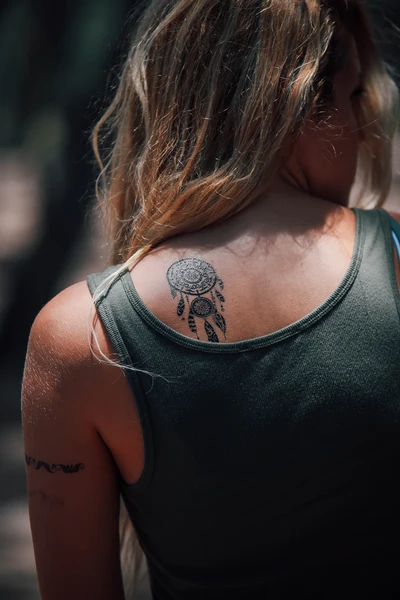
Placement should support the body’s movement rather than fight it. Wrists, forearms, shoulders, collarbones, ankles and calves offer visible areas that flex without excessive creasing. The upper back and shoulder blade can work well for a soloist, revealing the artwork during turns, floorwork or an open-back costume.
Hands and fingers create beautiful detail but receive plenty of friction. Contact with the floor, props, costume fastenings and repeated handwashing can shorten wear time. Apply these designs after most preparation is complete, and avoid placing artwork where a tight glove, wristband or rough seam will constantly rub.
The ribs, hip and lower back can create a dramatic reveal during a body roll or costume transition. These areas move significantly, so a narrow design with breathing space around the edges is often more successful than a dense image. Floral artwork can follow the curve of the shoulder or hip, creating a natural relationship between the tattoo and the dancer’s silhouette; black-and-white florals offer both softness and definition.
Australian dancers may rehearse in very different conditions, from humid Brisbane studios to dry Melbourne halls or warm Sydney venues. Sweat, sunscreen and body oils can affect adhesion, so the skin should be clean, dry and free from moisturiser before application. During an outdoor performance or summer festival, allow extra time for the design to set before putting on a costume.
In cities such as Perth and Adelaide, intense sun can also change how black and white artwork appears in photographs. Direct sunlight reveals fine detail, while harsh overhead light can make a small design look flatter. Take test images in the venue or rehearsal space and check the tattoo from the audience perspective rather than relying only on a mirror.
For events around Australia Day, local arts festivals or a theatre season, the tattoo can echo the production palette without becoming a costume accessory that competes with the choreography. Black-and-white designs are particularly flexible when a troupe performs across several venues with different lighting systems and stage surfaces.
Apply temporary tattoos once the final costume, blocking and movement vocabulary are confirmed. A placement that seemed ideal during a standing rehearsal may become hidden during floorwork or distorted during a deep stretch. Mark the intended position with a washable cosmetic pencil, then watch a full run-through before committing.
The application process should be treated like part of the pre-show routine. Clean the skin, remove oil, press the design firmly and give it enough time to develop or dry according to the product instructions. Avoid applying immediately before intense exercise, since sweat can interfere with the transfer and create uneven edges.
Keep a small touch-up kit backstage with spare designs, cotton pads and gentle cleansing wipes. Assign one person to check the cast before call time, especially when several dancers are wearing coordinated artwork. This is useful for school productions, independent companies and touring groups moving between venues in Sydney, Melbourne or regional Queensland.
A successful dance tattoo feels connected to the performance’s movement language. Repeated triangles might mirror a sharp contemporary score, while sweeping stems can complement a lyrical solo. For an ensemble, vary the size or placement of one shared motif so the group looks connected while each dancer retains an individual silhouette.
Keep the wider costume design in view. A matte black tattoo can anchor a light mesh sleeve, while a white design can create a quiet detail beneath a black leotard. Avoid placing dense artwork directly beside sequins, metallic trims or busy prints unless the contrast has been tested under performance lighting.
Pure Tatts designs can also help build a recognisable identity for dance content filmed outside the theatre. A visible wrist or shoulder detail can carry through rehearsal clips, promotional portraits and launch posts for a new production. Dancers and choreographers interested in creative collaborations can submit an ambassador form to explore opportunities with the brand.
Choose designs that give the body a clearer visual rhythm, then apply them with the same care given to footwear, hair and costume. Browse Pure Tatts’ black-and-white collections for artwork that supports the choreography, photographs well under Australian lighting and leaves the dancer free to move, turn and perform.
Posted on
Posted on
Posted on

Posted on

Posted on

Posted on
Posted on