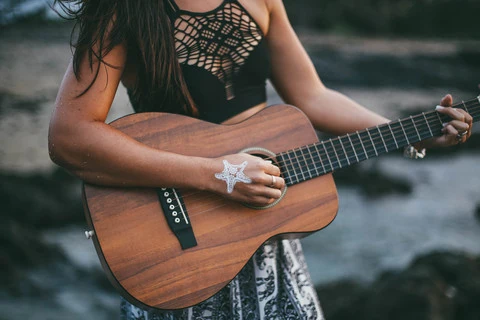
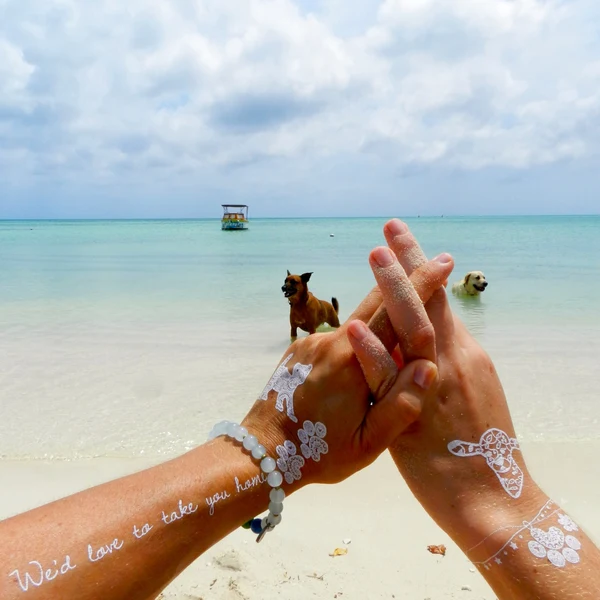
Temporary Tattoo Collection Donates 50% to Animal Rescue!
Posted on

Posted on
Posted on
Temporary tattoos rely on a carefully balanced transfer process. Water loosens the paper backing, while a thin layer of colour and skin-safe adhesive settles onto the outermost surface of the skin. For the design to look sharp, that layer must make close contact with the skin rather than resting on a film of oil, moisturiser or sunscreen.
Sebum is the natural oil produced by the skin’s glands. It helps protect the skin barrier, but it can also reduce adhesion by making the surface more slippery and less receptive to the tattoo’s adhesive layer. This is why a design may look excellent on a dry forearm yet lift quickly from the forehead, chest or upper back.
Heat and humidity can intensify the problem. Someone heading to Bondi Beach, attending a summer barbecue in Brisbane or dancing through a warm Sydney evening may produce more sweat and oil than usual. Friction from clothing, bags and hands then adds another source of wear.
A premium black-and-white temporary tattoo can still last well on oily skin with the right preparation. Understanding how the transfer bonds, where it is placed and how it is protected makes the result more predictable without compromising the intricate, hand-drawn appearance.
Most water-activated temporary tattoos use a printed film containing pigments, a transfer layer and an adhesive designed for brief contact with the skin. Pressing a damp cloth over the paper backing allows water to penetrate and release the design. Firm, even pressure helps the film conform to the skin’s fine texture.
Adhesion depends on intimate contact. At a microscopic level, the transfer needs to sit across tiny ridges and valleys rather than bridge over them. Clean, dry skin provides a more consistent surface, while sebum fills some of those microscopic gaps and weakens the contact between the transfer and the epidermis.
The adhesive is generally intended to hold the artwork on the outer skin layer, not to penetrate it. As the water evaporates, the design dries into a thin flexible coating. Rubbing, stretching or applying another product too soon can interrupt that setting stage and create small edges where lifting begins.
Oily skin affects temporary tattoo performance in several ways. First, oil reduces surface energy, making it harder for the damp transfer film to spread evenly. Second, it acts as a boundary layer between the adhesive and skin. Even a small amount can cause patchy edges, weak corners or incomplete transfer.
Sweat introduces water and salt after application. A little moisture is usually manageable, but persistent perspiration can soften the film and encourage it to move. In tropical parts of Queensland or during a humid Perth afternoon, this can happen faster than expected, especially around the neck, ribs and inner arm.
Sunscreen creates a separate challenge. Many formulas contain oils, silicones or emollients that are excellent for protecting skin but poor for temporary tattoo adhesion. Apply sunscreen around the design rather than underneath it where possible, and allow nearby products to dry before placement.
Natural body oil is not the same as dirt, so harsh scrubbing is unnecessary. Over-cleaning can irritate the skin and encourage rebound oil production. The goal is a clean, calm surface rather than a stripped one.
Start by choosing skin with minimal movement and friction. The outer forearm, shoulder and upper thigh are often more reliable than fingers, elbows, knees or areas covered by tight waistbands. Avoid broken, irritated or freshly shaved skin, since it may react more easily to adhesive and rubbing.
Wash the area with mild soap and lukewarm water, then rinse away every residue. Pat it completely dry with a clean towel and wait a few minutes for remaining moisture to evaporate. A small amount of oil-free micellar water or an alcohol-free skin cleanser may help remove residue, but it should also be allowed to dry fully.
Do not apply moisturiser, body oil, fragrance or sunscreen directly beneath the transfer. If the skin becomes shiny again, lightly blot it with a clean tissue rather than rubbing. A very gentle pass with a fragrance-free, oil-free cleanser is preferable to household products or aggressive exfoliation.
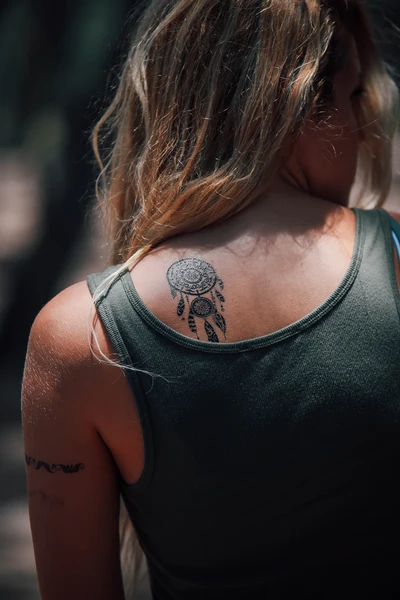
Placement also matters for detailed artwork. A flat area gives fine geometric lines and matte black sections a better chance of transferring without distortion. For a statement look at a Melbourne gallery evening or a weekend event in Adelaide, a broad, stable area can preserve the design’s balance better than a highly mobile joint.
Place the tattoo face down on dry skin and hold it still while applying firm, even pressure. Follow the product’s water instructions carefully; too little moisture may leave parts of the backing attached, while excessive water can make handling awkward. Lift the paper slowly after the recommended time and inspect the result without touching the surface.
Let the tattoo air-dry completely. Avoid clothing that immediately scrapes across it, and do not rub it with a towel. If the design is on the wrist or hand, be conscious of repeated washing, keyboard contact and carrying shopping bags. In Australia’s warm-weather lifestyle, sweat from a coastal walk or a social cricket match can shorten wear even when the initial application was perfect.
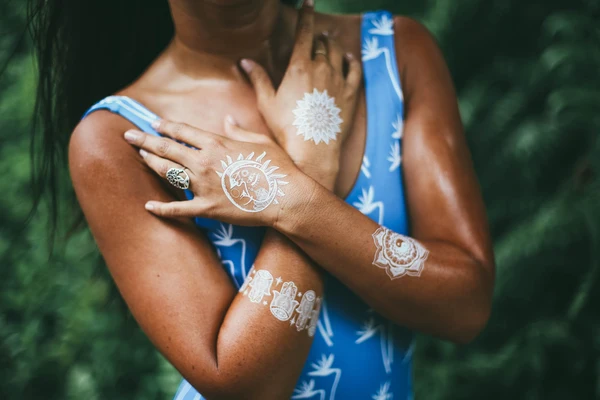
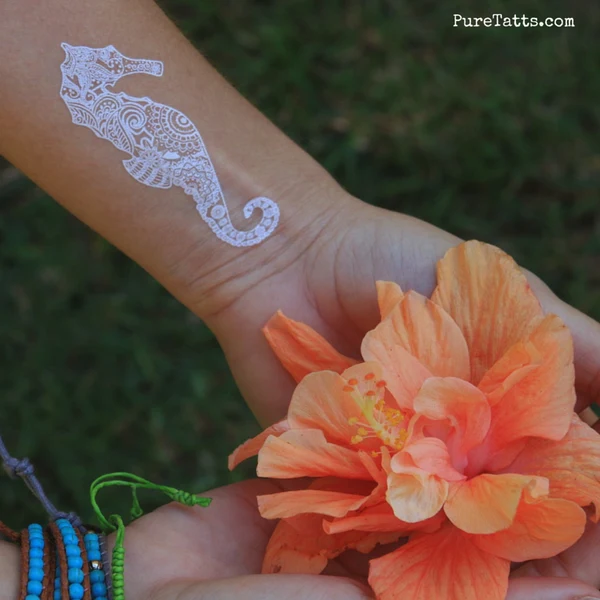
White designs can be particularly striking against deeper skin tones, while matte black styles often provide strong contrast across many complexions. A curated option such as this Christina Seng white design shows how a detailed artist-led piece can function as a deliberate accessory rather than a novelty.
During wear, pat moisture instead of wiping it across the tattoo. Avoid applying body products over the artwork, and cover it loosely if a backpack strap or tight sleeve will repeatedly pass over the same area. When removal is needed, warm water and oil-based cleanser can help loosen the film without forceful peeling.
The best application method depends on how long the tattoo needs to look fresh. A short dinner in Canberra may require little more than careful cleansing and a low-friction placement. A full day at a Gold Coast festival calls for extra attention to sweat, sunscreen, clothing and repeated contact.
Seasonal planning also helps. In cooler Melbourne weather, dry skin and wool clothing may be the main concerns. In Darwin or northern Queensland, heat and humidity can make oil control and breathable clothing more important. Keep a small tissue in a bag for gentle blotting, but avoid carrying adhesive products that have not been formulated for skin.
Pure Tatts collections make it easy to choose between geometric, white and matte black visual styles, including pieces suited to a night out or a fashion-focused event. Designs purchased during a seasonal sale collection can also make experimentation more affordable when testing which placement performs best on your skin.
| Skin or setting | Main adhesion risk | Helpful preparation | Likely wear consideration |
|---|---|---|---|
| Oily forehead or chest | Sebum and sweat | Cleanse, dry and avoid moisturiser | Blot moisture gently |
| Dry forearm | Flaking or fabric friction | Hydrate well beforehand, but keep the area product-free at application | Avoid wool or rough sleeves |
| Hands and fingers | Washing and constant movement | Use a small, flat design | Expect shorter wear |
| Humid Queensland day | Heat, sweat and sunscreen | Place away from high-sweat zones and apply sunscreen around it | Protect from rubbing |
| Evening event in Sydney or Melbourne | Clothing and bag straps | Choose a stable area and let it set fully | Pat rather than wipe |
A temporary tattoo is a cosmetic accent, so patch testing is sensible for anyone with sensitive skin or a history of reactions to adhesives. Remove the design if burning, swelling or persistent redness develops. For event planning, the night-out guide offers useful context for choosing a style and placement that can handle an evening’s movement.
Clean skin, controlled moisture and low friction give the transfer its best chance of bonding evenly. Explore Pure Tatts’ artist-designed black-and-white pieces, prepare the placement with care and wear the final design as confidently as any other considered part of an outfit.
Posted on
Posted on
Posted on

Posted on

Posted on

Posted on
Posted on