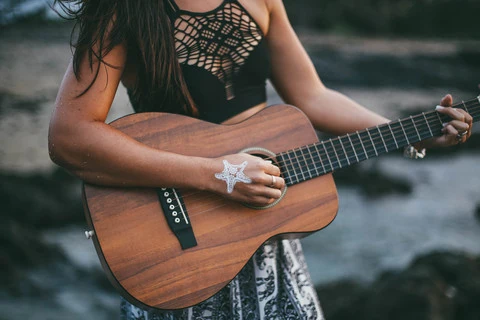
Temporary Tattoo Collection Donates 50% to Animal Rescue!
Posted on

Posted on
Posted on
Festival beauty is built for movement, sunlight, and photographs. Temporary tattoos give a design a crisp outline, while body paint adds color, softness, and a hand-finished quality. Together, they can create a layered look that feels artistic without the permanence of a real tattoo.
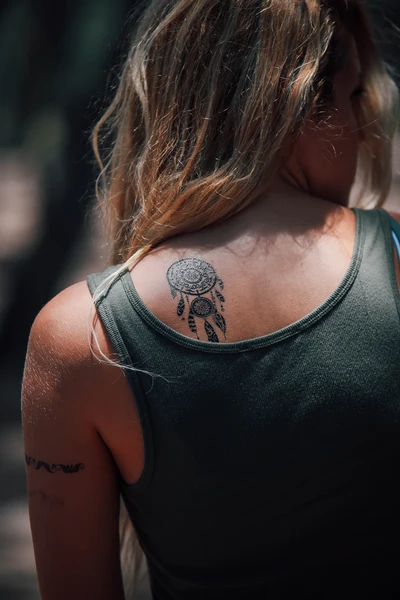
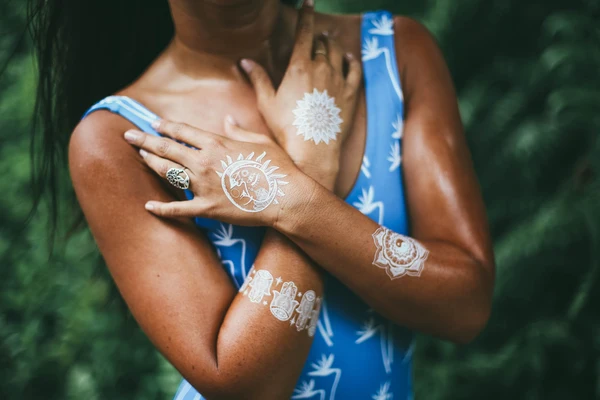
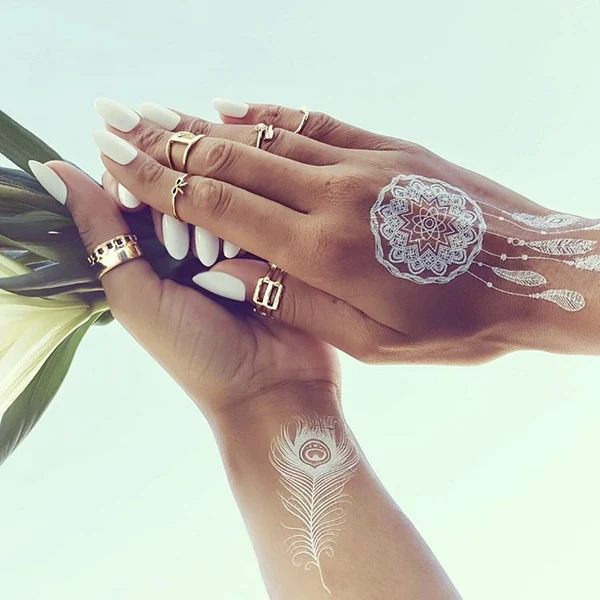
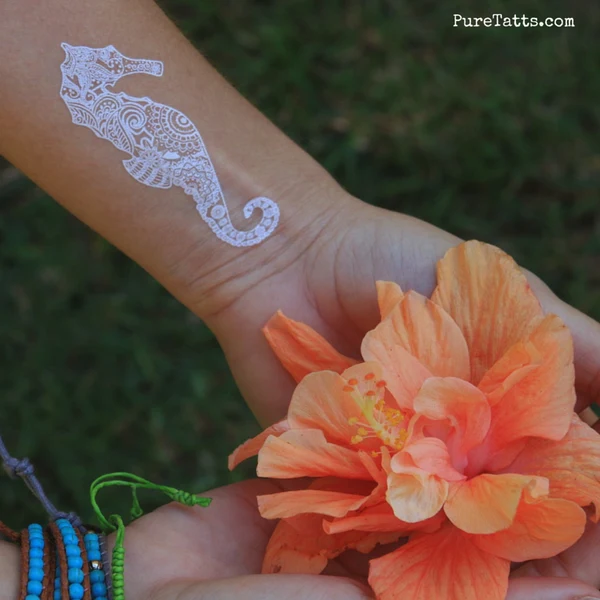
Black-and-white temporary tattoos are especially useful as a foundation. Detailed geometric shapes, botanical lines, white ink effects, and matte black motifs can define the composition before body paint brings in metallic, neon, or pastel accents. The result feels intentional rather than randomly decorated.
The key is to plan the placement, palette, and application order before getting dressed. A small amount of preparation helps the designs stay sharp through dancing, warm weather, and long hours outdoors.
Start by choosing one visual direction. A monochrome base with silver body paint creates a futuristic effect, while matte black tattoos paired with copper or terracotta paint feel warmer and more earthy. White tattoos can stand out beautifully against colorful paint, especially when applied to a clean area of skin.
Keep the body paint palette limited to two or three shades. Too many competing colors can hide the fine detail that makes an artist-created temporary tattoo distinctive. Use the tattoos as the visual anchor, then repeat one or two of their shapes or tones in the paint.
Consider the outfit as part of the palette. A black-and-white design can connect a patterned top with plain shorts, while metallic paint can echo jewelry, sunglasses, or hardware on a bag. This creates a complete festival outfit without requiring elaborate styling everywhere.
Place detailed tattoos where the skin will remain visible as you move. The outer shoulder, forearm, collarbone, upper back, and calf are reliable areas for showcasing fine linework. Avoid positioning the smallest details directly across deep creases or places where straps rub repeatedly.
Body paint works well around, rather than directly over, the main tattoo. A sweep of color can frame a geometric motif, extend a floral design, or create an abstract halo behind a white tattoo. Leaving a narrow strip of bare skin between the tattoo and paint can make both elements easier to see.
Think about how the design will look from different angles. A vertical arrangement along the arm may photograph well while holding a drink or dancing, whereas a shoulder-to-collarbone composition can be more visible in portraits. Use removable eyeliner or a cosmetic pencil to sketch a rough layout before applying anything permanent to the day’s look.
Clean, dry skin gives temporary tattoo adhesive the best chance of holding. Apply the tattoo before body paint, sunscreen, shimmer oil, or moisturizer in that specific area. Oils can interfere with transfer adhesion, and paint underneath the design may create an uneven surface.
After transferring the tattoo, press it firmly and let it settle according to the product directions. Once the edges are secure, add body paint around it with a brush, sponge, or fingertip. Keep the first layer thin so that it dries quickly and does not creep over the artwork.
For a painted effect that overlaps the tattoo, allow the transfer to dry completely first and use a light touch. This technique is best reserved for larger, bold designs because heavy color can obscure fine lines. Always test the combination on a small patch of skin before festival day, especially when using a new cosmetic product.
| Look Direction | Tattoo Base | Body Paint Layer | Best Placement |
|---|---|---|---|
| Graphic monochrome | Matte black geometric design | White or silver accents | Forearm, shoulder, upper chest |
| Cosmic shimmer | White linework or stars | Blue, violet, and pearl highlights | Collarbone, temples, upper back |
| Warm desert | Black botanical motif | Terracotta, bronze, and gold | Calf, upper arm, rib area |
| Soft contrast | Fine black illustration | Blended blush, mauve, or peach | Wrist, ankle, shoulder |
| High-impact editorial | Large black or white symbol | One saturated neon shade | Outer arm or thigh |
Contrast determines whether the design reads clearly in photos. Matte black temporary tattoos are striking against lighter body paint, while white tattoos often need a darker or more saturated background to avoid disappearing. If the paint is pale, add a deeper outline or place the tattoo on bare skin beside the color.
Scale matters as much as color. Pair one larger focal design with smaller supporting marks instead of covering every available area. A bold central tattoo can be surrounded by painted dots, lines, or brushstrokes that guide the eye without competing with the main image.
Leave some untouched skin between clusters. Negative space prevents the look from becoming visually crowded and gives intricate hand-drawn details room to breathe. It also makes removal easier because each section can be cleaned without scrubbing a large painted area at once.
Matching does not require identical body art. Friends can share a shape, finish, or color while choosing different placements. For example, one person might wear a white geometric tattoo with silver paint, while another uses a black version with a silver shoulder accent. The connection remains visible without making every look feel copied.
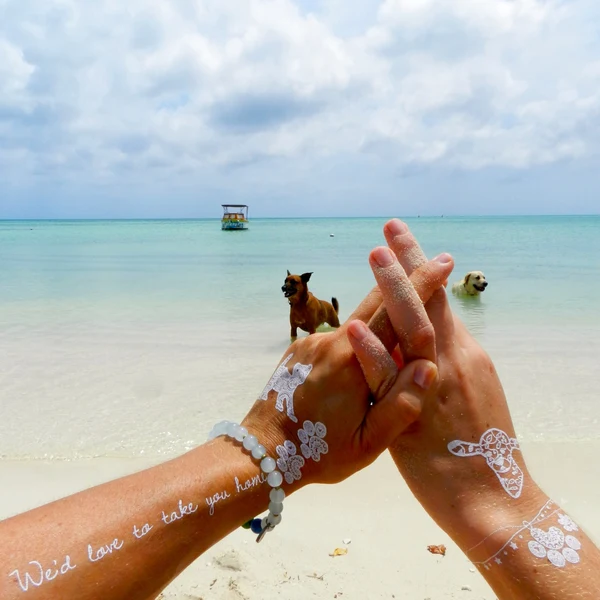
Couples can use complementary motifs in the same way. Linked symbols, mirrored lines, or coordinated black-and-white designs can create a shared detail that still suits each person’s style. These matching couple designs offer a temporary way to coordinate for a weekend, concert, or special celebration.
Group styling also benefits from a shared finish. Ask everyone to choose matte, glossy, metallic, or pearlescent accents rather than mixing every texture. A consistent finish helps different tattoo designs and paint colors look like part of one visual story.
Use cosmetics intended for skin, and follow the instructions for both the temporary tattoo and body paint. Avoid applying either product to irritated, sunburned, freshly shaved, or broken skin. A patch test performed in advance can help identify sensitivity before the event.
Once applied, avoid rubbing the design while changing clothes. Loose clothing during preparation gives the tattoo and paint time to settle. If you expect heat or sweat, keep the painted layer light and carry a small amount of the same product for discreet touch-ups.
Removal should be gentle. Body paint may lift with a suitable cleanser or warm water, while temporary tattoos often respond to baby oil, cleansing oil, or the removal method recommended by the manufacturer. Do not scrape at the skin; patience is kinder and helps prevent redness.
A small kit makes it easier to maintain a layered body art look throughout the day. Pack cotton swabs for cleaning blurred edges, a compact mirror for checking placement, and a few tissues for blotting perspiration. If the design includes metallic paint, keep the product tightly closed to prevent spills in a bag.
Useful preparation habits include:
For new releases, seasonal designs, and artist-led collections, browse find Pure Tatts before planning the final arrangement. Selecting the tattoo first makes it easier to choose body paint that supports its linework instead of covering it.
A festival look should feel expressive, wearable, and easy to adapt. Choose one focal tattoo, frame it with controlled color, and leave enough skin visible for every layer to read clearly. Explore Pure Tatts designs, pair your favorites with skin-safe body paint, and create a temporary composition made for the occasion.
Posted on
Posted on
Posted on

Posted on

Posted on
Posted on
Posted on