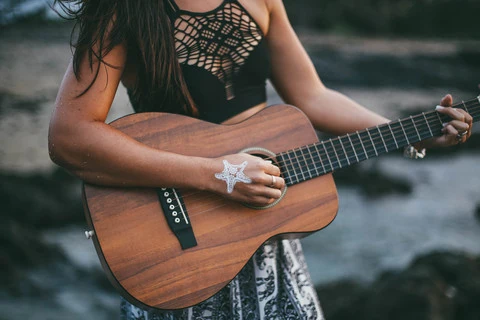
Temporary Tattoo Collection Donates 50% to Animal Rescue!
Posted on
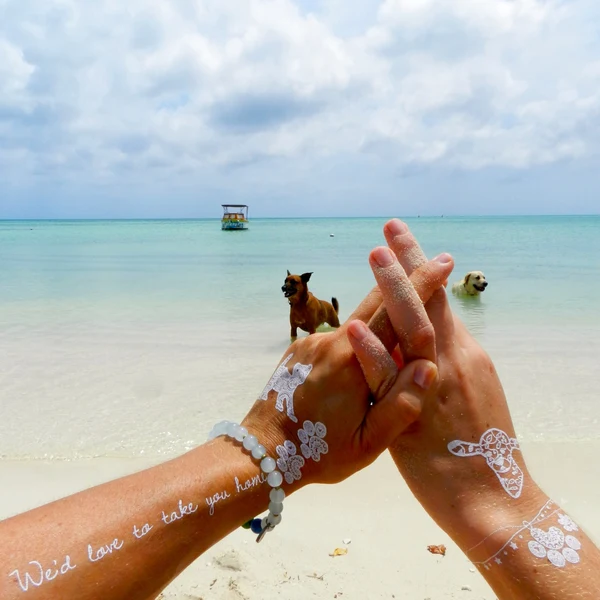

Posted on
Posted on
The 1920s brought a distinct visual language to fashion: sharp geometry, sunburst lines, fan shapes, symmetry, and a sense of movement captured in ink and metal. That same design vocabulary translates beautifully into temporary body art, giving modern outfits a polished vintage accent without the permanence of a traditional tattoo.
A black-and-white temporary tattoo can suggest the glamour of a jazz club, the elegance of an Art Deco lobby, or the rebellious energy of a flapper-era evening. With carefully chosen placement and scale, these designs feel expressive rather than costume-like.
Pure Tatts brings that balance to life through detailed, hand-drawn artwork. Matte black, crisp white, and geometric designs can be styled as subtle accessories or layered into a more dramatic 1920s-inspired arrangement.
Art Deco patterns are built around order and contrast. Repeating arches, stepped diamonds, chevrons, pillars, and radiating lines create a structured look that remains instantly recognizable. A temporary tattoo based on these motifs can make a small area of skin appear almost jewel-like.
Sunbursts are especially effective because they combine symmetry with visual energy. Fan patterns and tapered rays look elegant along the collarbone, shoulder, wrist, or upper back, while narrow geometric bands can echo the appearance of vintage jewelry.
Animal imagery also suits the era. Stylized birds, snakes, panthers, and winged forms appeared frequently in 1920s decorative arts. When rendered in fine black lines or bold matte ink, they connect the glamour of the period with a more contemporary alternative style.
Matte black is the most versatile choice for a vintage wardrobe. It pairs with satin, velvet, sequins, and tailored suiting while retaining a clean graphic quality. A small black fan or geometric border can complement an evening outfit without competing with statement earrings or a beaded clutch.
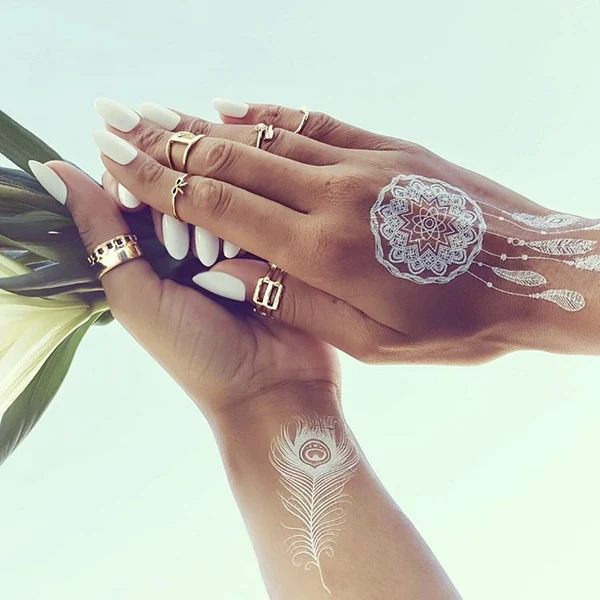
White temporary tattoos offer a different interpretation of the era. On deeper skin tones, white ink can create a striking, almost porcelain-like contrast; on lighter skin, it delivers a quieter effect that resembles a delicate cosmetic detail. White designs work particularly well for summer events, poolside styling, and minimal outfits.
Finish matters as much as color. Fine-line artwork feels refined and ornamental, while thicker matte shapes have the confidence of a deco poster. Combining one intricate design with one solid geometric mark can create contrast without making the arrangement feel busy.
A vintage-inspired temporary tattoo does not require a head-to-toe period costume. In fact, the strongest styling often comes from placing a 1920s motif beside contemporary clothing. A geometric wrist design can sharpen a white shirt and wide-leg trousers, while a fan-shaped shoulder tattoo can bring structure to a simple slip dress.
For evening wear, coordinate the tattoo with one visual detail rather than matching every accessory. Black ink can echo patent shoes, a dark handbag, or eyeliner. White ink can pick up pearl jewelry, a pale manicure, or a cream-colored garment. This approach keeps the reference subtle and intentional.
Seasonal collections are useful when you want to adapt the look to warmer weather or special occasions. Pure Tatts’ summer collection preview can help inspire combinations that feel fresh while still drawing from vintage pattern-making.
| Motif | Best Placement | Styling Effect | Ideal Finish |
|---|---|---|---|
| Sunburst | Collarbone or upper arm | Radiant and glamorous | Fine line or matte black |
| Fan shape | Shoulder, wrist, or ankle | Elegant and decorative | Black or white |
| Chevron band | Forearm or ribcage | Streamlined and graphic | Matte black |
| Deco bird | Shoulder blade or thigh | Dramatic and artistic | Detailed black |
| Geometric jewel | Hand, neck, or sternum | Small but eye-catching | Fine line |
| Symmetrical rays | Upper back or chest | Bold and architectural | Black and white contrast |
Placement can make a design feel more like an accessory from the Jazz Age. The wrist and forearm are natural choices because geometric bands resemble bracelets or embroidered cuffs. A vertical design along the upper arm can also suggest the clean lines of a vintage evening glove.
The collarbone and shoulder create a more glamorous effect. A symmetrical fan placed near the collarbone can mimic a pendant, while a small deco emblem at the shoulder works well with sleeveless dresses and asymmetric necklines. For a more private statement, try the ribs, hip, or upper back beneath a low-cut or open-back garment.
Hands and fingers suit tiny geometric marks, especially when paired with rings. Keep these designs small and well-spaced so they look like intentional adornment. Since hands experience frequent washing and friction, placement there may require gentler care and more regular replacement.
A coordinated set should share at least one visual feature, such as repeated angles, matching line weight, or a consistent black-and-white palette. Three small designs can look more polished than one oversized piece when they are distributed across the body with deliberate spacing.
Try combining a narrow chevron on the wrist, a small sunburst near the shoulder, and a detailed fan on the ankle. The repeated geometry ties the pieces together, while the different scales prevent the look from becoming overly uniform.
Recommendations for assembling a 1920s-inspired arrangement:
Temporary body art also makes it easy to create themed looks for weddings, parties, photo sessions, and music events. If children are joining a dress-up celebration, review guidance on safe kids’ designs and choose age-appropriate artwork and application areas.
Clean, dry skin gives a temporary tattoo the best chance of adhering smoothly. Avoid applying lotion or oil directly beforehand, since residue can reduce contact between the design and the skin. Areas with minimal hair and friction usually produce the sharpest result.
After application, allow the design to settle before dressing. Loose fabric is preferable at first, especially around the wrist, ankle, or waist. Pat the area dry after bathing rather than rubbing it, and avoid placing perfume, body oil, or heavy cream over the tattoo.
The vintage effect depends on clarity. If an intricate design begins to soften at the edges, the overall impression can lose its Art Deco precision. Thoughtful placement, gentle care, and a design suited to the occasion will help preserve its clean lines for photographs and evening wear.
1920s-inspired patterns work because they offer both history and flexibility. A tiny white fan can feel delicate and modern, while a bold black sunburst can transform a simple outfit into a statement look. The design does not have to imitate the past exactly; it can borrow the era’s geometry, rhythm, and confidence.
Explore Pure Tatts’ artist-created temporary tattoos to find a pattern that matches your wardrobe, event, or personal style. Select a few Art Deco-inspired pieces, arrange them like jewelry, and let the finished look bring a touch of vintage glamour to the present.
Posted on
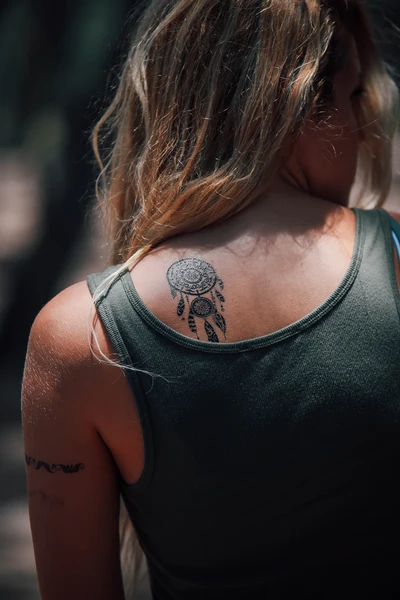
Posted on
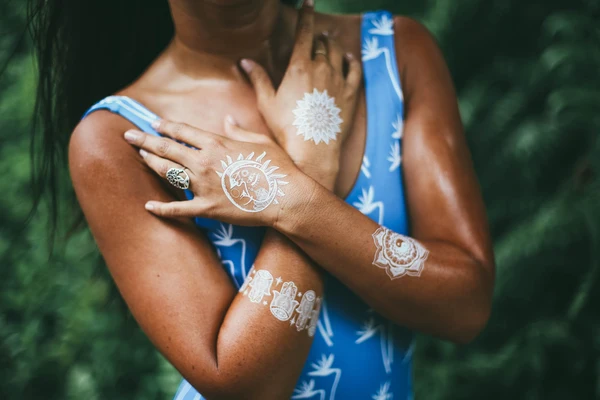
Posted on

Posted on
Posted on
Posted on
Posted on