Temporary Tattoo Collection Donates 50% to Animal Rescue!
Posted on

Posted on
Posted on
A temporary tattoo has to do several jobs at once. It must transfer a detailed design cleanly, remain comfortable on moving skin, resist everyday moisture, and fade gracefully without leaving a stubborn residue. That balance depends on more than ink or artwork; it begins with the interaction between the adhesive, the transfer layer, and your skin.
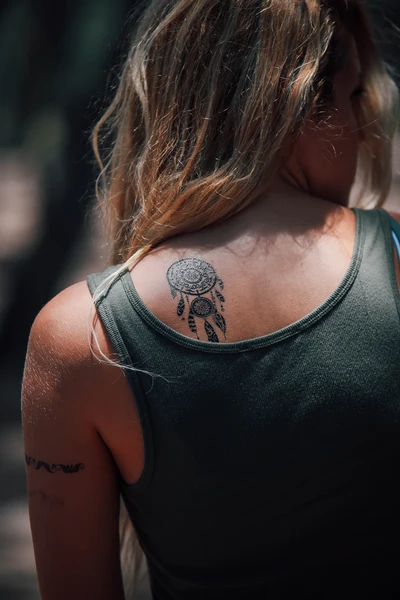
At Pure Tatts, every black-and-white design is created to look crisp while feeling light and natural. Our geometric, white, and matte black styles use carefully considered materials and application methods so the finished tattoo can stay sharp through normal daily wear.
Longevity is never controlled by one ingredient alone. Skin type, body placement, friction, sweat, bathing, and preparation all influence how long a temporary tattoo looks fresh. Understanding those factors helps you get the best performance from your chosen design.
Temporary tattoo adhesive is generally designed to sit on the surface of the skin rather than penetrate it. In a water-transfer tattoo, the design and adhesive are held within a thin transfer system. Moisture helps release the image from its backing, while gentle pressure encourages the adhesive layer to make close contact with the skin.
This is similar to the way a pressure-sensitive material works. Once the tattoo is positioned, warmth and pressure help the adhesive conform to the tiny contours of the skin. It does not need to bond aggressively to be effective; it needs consistent contact across the design without creating an uncomfortable, heavy film.
The skin itself is a living surface covered with natural oils, small amounts of moisture, and microscopic texture. A well-balanced adhesive is formulated to work with that surface while remaining removable. That is why application technique matters just as much as the material.
Clean, dry skin gives the adhesive the best possible starting point. Oils from moisturiser, sunscreen, body lotion, and skincare products can create a barrier between the transfer and the skin. Even a small amount may prevent the edges from adhering evenly, which can lead to lifting or premature fading.
Before application, wash the area with mild soap and water, then dry it thoroughly. Avoid applying a temporary tattoo directly after moisturising. If the skin is naturally oily, gently cleansing the area again can help. Hair may also reduce contact, especially around detailed edges, so a smoother placement area often produces a cleaner result.
The choice of location matters too. Areas that bend constantly, experience frequent rubbing, or remain damp for long periods tend to shorten the life of a temporary tattoo. The forearm, shoulder, upper chest, and outer leg often provide a stable surface, while fingers, joints, and waistbands may create more friction.
The transfer film protects the design before use and helps move it onto the skin in one controlled step. During application, water softens the backing layer so the image can separate without stretching or breaking. Holding the transfer still allows the artwork to settle evenly rather than shifting across the skin.
Detailed hand-drawn artwork benefits from this controlled release. Fine lines, small geometric elements, and narrow negative spaces can lose definition if the paper is moved too soon. Keeping the transfer firmly in place for the recommended time gives the adhesive a better opportunity to contact the skin across the entire design.
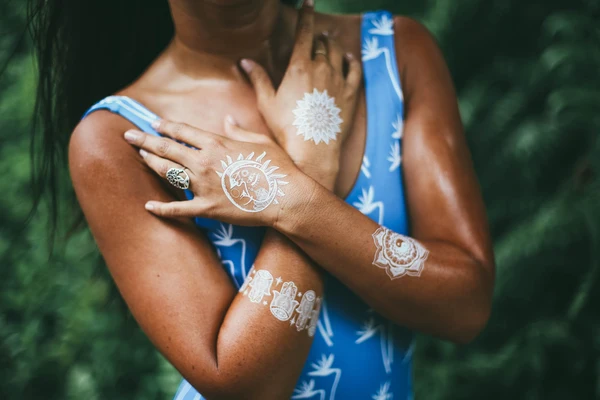
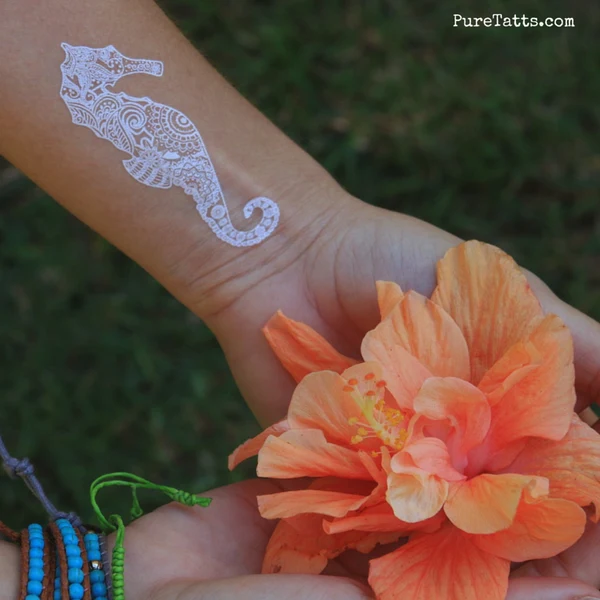
The finish can also affect how the tattoo appears. Matte black designs create a soft, velvety visual effect, while white temporary tattoos offer a quieter contrast against the skin. For styling ideas and application considerations, these white tattoo tips explain why lighter designs benefit from thoughtful placement and contrast.
| Factor | What it does | How to support longer wear |
|---|---|---|
| Clean skin | Removes oils and product residue | Wash and dry the area before application |
| Firm pressure | Improves contact between adhesive and skin | Hold the transfer flat and still |
| Body placement | Changes exposure to friction and movement | Choose a smoother, less active area |
| Water exposure | Can soften edges over time | Pat dry instead of rubbing |
| Clothing friction | Gradually wears down the surface | Avoid tight seams over the design |
| Skin products | May interfere with adhesion | Apply lotions around, not over, the tattoo |
After application, the adhesive continues settling as it warms to body temperature and conforms to the skin. The tattoo may look slightly different during the first moments than it does once fully dry. Allowing it to set before dressing or touching the area helps preserve sharp edges.
Durability is a gradual process rather than a switch between “on” and “off.” Repeated rubbing can wear away the outer finish, while hot water and prolonged soaking can soften the surrounding layers. Normal hand washing or a brief shower may be manageable, but swimming, baths, and vigorous towel drying usually place greater stress on the design.
Sweat can have a similar effect, especially in areas exposed to exercise or humid weather. This does not mean temporary tattoos are limited to quiet days. It simply means that reducing unnecessary moisture and friction helps maintain the printed detail for longer.
A quality temporary tattoo is intended to fade as the surface layers of the design experience everyday wear. When you are ready to remove it sooner, an oil-based cleanser or household oil can help loosen the remaining adhesive. Let it sit briefly, then wipe gently rather than scraping.
Avoid harsh rubbing, abrasive exfoliants, or strong solvents. These methods may irritate the skin more than they improve removal. The goal is to dissolve or lift the remaining film while preserving the comfort of the surrounding area.
Skin sensitivity varies, so testing a small amount of any removal product away from the tattoo first is sensible. If redness, itching, or discomfort develops during wear, remove the design and discontinue use. Temporary body art should feel like an accessory, not a source of irritation.
Fine artwork places higher demands on a transfer system. A bold solid shape has more surface area and may tolerate small inconsistencies, while delicate linework depends on close contact around every detail. That is why artist-created designs require precision in printing, cutting, handling, and application.
Our collections are built around this relationship between visual detail and material performance. A stark black motif, a white symbol, or a layered geometric pattern should retain its intended character as it settles onto the skin. The adhesive supports that result by helping the design remain stable without making it feel thick.
Seasonal releases and artist collaborations add fresh ways to wear temporary body art. You can browse the latest Pure Tatts collection to find designs suited to subtle styling, statement placement, events, travel, or an everyday change of look. For a more curated artistic direction, Sgt. Pepper’s friends brings together a distinctive collection inspired by creative collaboration.
Small changes to your routine can protect both the adhesive and the artwork. Treat the tattoo as a surface detail rather than scrubbing it like bare skin, and consider how clothing, sport, sleep, and weather will affect the chosen placement.
Keep these habits in mind:
The science behind long-lasting temporary tattoos is ultimately a science of contact: clean skin, balanced adhesion, controlled moisture, and limited friction. When those conditions work together, detailed artwork can remain comfortable and visually clear through the rhythm of everyday life.
Choose a black, white, or matte design that suits your style, prepare the skin carefully, and give the transfer time to settle. Explore Pure Tatts and wear artist-made body art whenever you want a distinctive look without a permanent commitment.
Posted on
Posted on
Posted on

Posted on

Posted on

Posted on
Posted on