Temporary Tattoo Collection Donates 50% to Animal Rescue!
Posted on
Posted on
Posted on
Temporary tattoos have moved beyond novelty styling and into the visual language of contemporary fashion magazines. Once associated with festivals, playful accessories, or childhood transfers, they now appear as deliberate components of beauty editorials, street-style stories, product campaigns, and seasonal trend reports.
Their appeal is easy to understand. Temporary ink gives a model, stylist, or reader the graphic impact of body art without a permanent commitment. It can be changed between shoots, coordinated with clothing, and removed when the story moves in a new direction. For magazines built around constant visual reinvention, that flexibility is especially valuable.
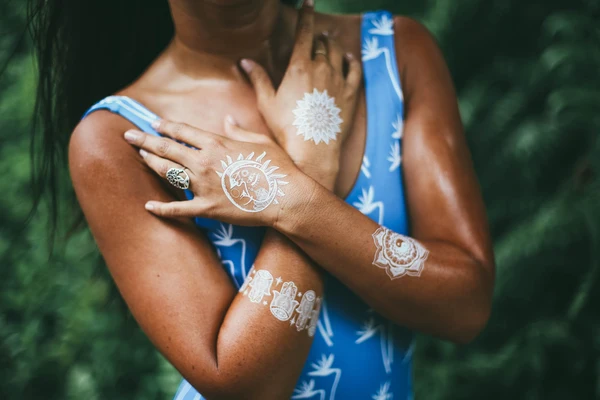
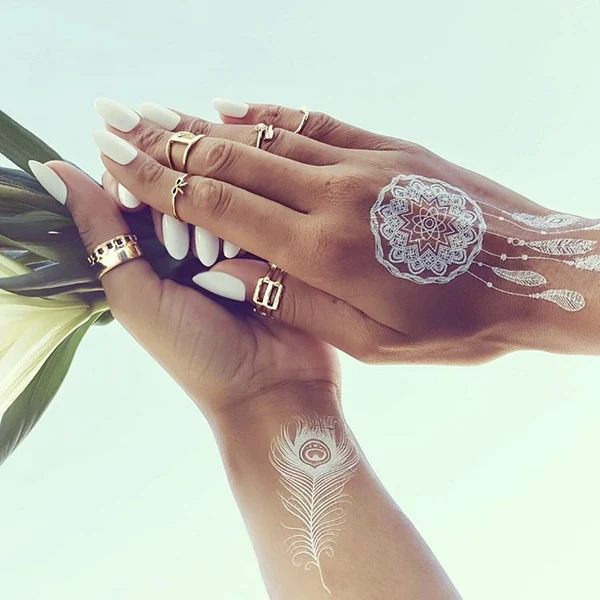
Premium black-and-white designs have made the format feel more refined. Hand-drawn lines, geometric structures, white ink, and matte black finishes can add the same considered detail as jewelry, nail art, or sculptural accessories while keeping the body central to the composition.
Fashion magazines depend on images that communicate a complete point of view in a single frame. Clothing, hair, makeup, location, and styling must work together quickly. A temporary tattoo offers an efficient way to introduce a strong motif without requiring a permanent alteration or a lengthy production process.
It also supports the pace of editorial work. A stylist can test a bold shoulder design for one look, remove it, and use a fine-line composition for the next. This makes temporary body art useful for multi-look stories where visual continuity matters, yet every outfit needs its own identity.
The medium suits the current preference for personal, expressive styling. Readers increasingly treat fashion as a mix of clothing and self-curated details. A small black symbol, a white botanical line, or an architectural pattern can make a familiar outfit feel specific to the wearer.
In a magazine spread, temporary tattoos can operate like graphic accents. A curved design may echo the silhouette of a neckline, while sharp geometry can reinforce the structure of a tailored jacket. When placed thoughtfully, the tattoo becomes part of the styling vocabulary rather than a separate decoration.
Monochrome body art is particularly effective because it connects naturally with editorial photography. Black ink creates definition against skin and light fabrics, while white designs can produce a quieter, almost luminous effect. These tones also work well with strong shadows, flash photography, and high-contrast layouts.
The strongest images usually avoid visual competition. If a tattoo is intricate, the surrounding clothing may be simpler. If the outfit is heavily embellished, a smaller design can provide balance. This relationship between detail and restraint allows temporary tattoos to feel integrated into the overall fashion concept.
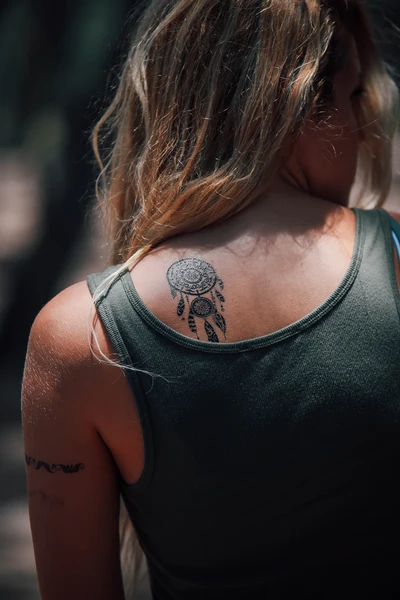
Placement influences the emotional effect of a design as much as the artwork itself. A tattoo near the collarbone can appear delicate and intimate, while a broad shoulder piece can make a look feel more assertive. The upper back offers a larger canvas for designs revealed by open-back tops, halter silhouettes, and low-cut tailoring.
For visual references on positioning, stylists can explore shoulder tattoo ideas before planning a shoot. The location should support the garment and the camera angle rather than disappear beneath fabric or compete with a major accessory.
Scale also changes how a design reads in print. A tiny mark may become a subtle discovery in a close portrait, while a larger composition can anchor a full-length image. Photographers should consider how retouching, cropping, and magazine reproduction may affect fine lines, especially when the layout includes grain, shadow, or a muted color treatment.
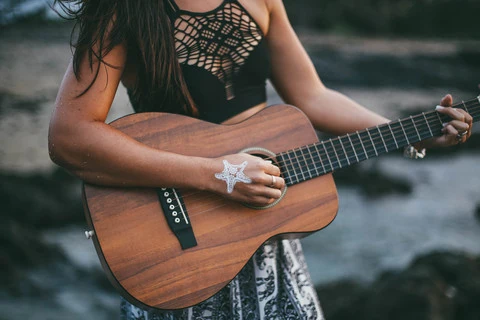
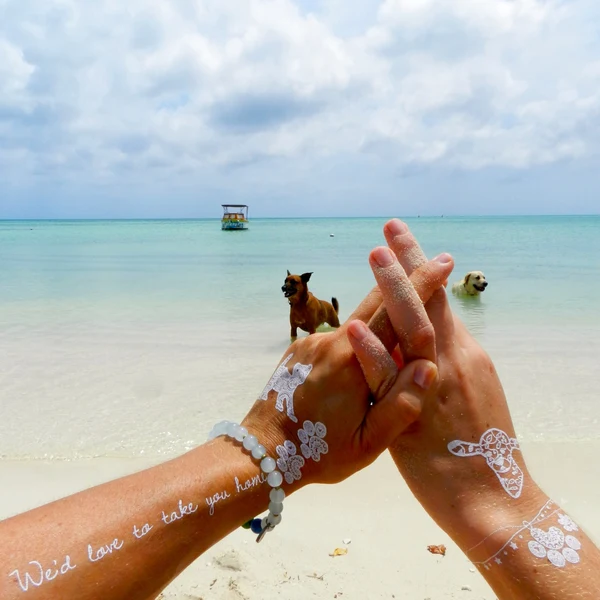
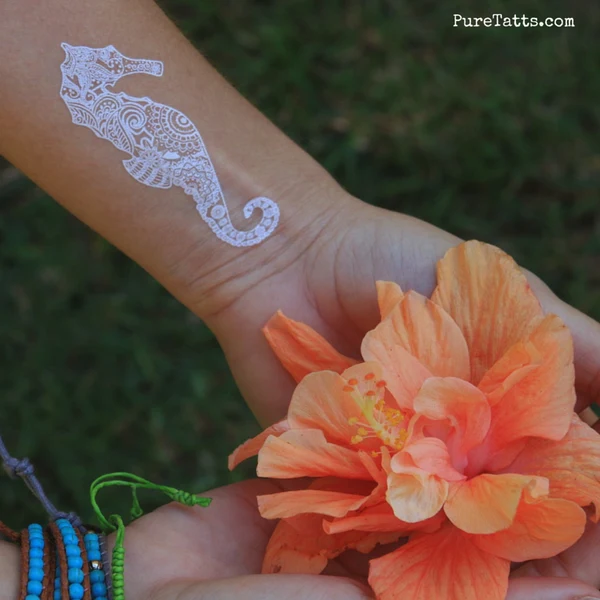
The visual power of temporary tattoos comes partly from their surface quality. Matte black ink absorbs light and appears soft, graphic, and contemporary. White ink can create a more unexpected effect, especially on darker clothing or in a sunlit image. Fine-line artwork introduces delicacy, while dense geometric forms create a stronger fashion statement.
Pure Tatts reflects this range through artist-created designs that emphasize detail and contrast. Its matte black collection is especially suited to editorials built around minimalist tailoring, industrial textures, monochrome palettes, or dramatic beauty styling.
| Editorial Direction | Suitable Tattoo Style | Styling Effect |
|---|---|---|
| Minimal tailoring | Matte black geometry | Adds structure and definition |
| Soft romantic fashion | Fine-line botanical artwork | Creates a delicate counterpoint |
| Avant-garde beauty | White or abstract designs | Introduces contrast and surprise |
| Street-style photography | Bold symbols or layered motifs | Gives the outfit a personal edge |
| Resort and summer stories | Shoulder or upper-back compositions | Works naturally with open silhouettes |
This flexibility gives editors a practical visual tool. A single issue can present temporary tattoos as discreet accents in one story and as central body graphics in another, showing readers how the same category can adapt to different moods.
Magazine teams can make the most of temporary body art by treating it as part of the original concept development, rather than adding it at the final styling stage. The design, placement, and finish should be considered alongside the clothing palette, location, lighting plan, and intended audience.
Useful editorial practices include:
This approach also helps readers translate magazine imagery into everyday styling. A dramatic editorial tattoo can inspire a smaller placement, a single symbol, or a monochrome accent worn with denim, knitwear, or a simple evening look.
Contemporary fashion magazines no longer dictate a single way to dress. Their strongest role is often to provide visual prompts that readers reinterpret. Temporary tattoos fit this culture because they encourage experimentation without locking someone into one identity or aesthetic.
They can also make trend participation more accessible. A reader may admire the look of body art but feel uncertain about permanent ink, workplace expectations, or changing tastes. A premium temporary version offers the chance to experience the placement and mood first, then decide whether it belongs in a longer-term style vocabulary.
For Pure Tatts, that relationship between art and adaptability is central. Seasonal collections, artist collaborations, and monochrome designs give shoppers ways to explore fashion through the body while keeping the choice temporary. The result is an accessory that can shift with a wardrobe, a publication, or a particular moment.
Temporary tattoos now occupy a distinctive place between beauty product, fashion accessory, and collectible artwork. In magazine photography, they sharpen a concept, frame the body, and add a layer of individual expression that clothing alone may not provide.
Explore Pure Tatts designs and choose a black, white, geometric, or hand-drawn style that complements your next look. Apply it for a shoot, an event, or an ordinary day that deserves a more considered detail, then change the design whenever your style moves forward.
Posted on
Posted on
Posted on

Posted on
Posted on
Posted on
Posted on