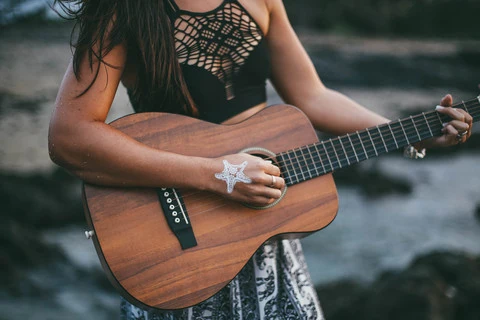
Temporary Tattoo Collection Donates 50% to Animal Rescue!
Posted on

Posted on
Posted on
A temporary tattoo can be small, but the artwork behind it may involve hours of observation, sketching, editing, and refinement. At Pure Tatts, each black-and-white design begins with an artist’s hand rather than a generic digital template. Fine lines, balanced spacing, and expressive details give every piece a distinct visual identity.
The creative process is rooted in illustration. Artists explore botanical forms, geometric structures, symbols, and abstract marks before shaping them into designs that can sit naturally on the skin. The result is body art with the character of an original drawing and the flexibility of a temporary accessory.
This artist-led approach also allows Pure Tatts to create varied collections, from matte black statement pieces to delicate white tattoos and intricate monochrome designs. Each style depends on thoughtful composition, careful contrast, and a close understanding of how artwork changes when it moves from paper to skin.
Every design starts with a visual idea. An artist may notice the repeating structure of a shell, the curve of a leaf, the symmetry of a geometric motif, or the expressive energy of an abstract shape. Initial sketches are often loose, allowing the concept to develop without being restricted by production requirements too early.
Hand-drawing gives the artwork a natural rhythm. Lines may vary subtly in weight, curves can feel more organic, and small imperfections add personality. These details distinguish an illustrated tattoo from a perfectly repeated icon or a pattern assembled from stock elements.
The artist then studies the sketch as a wearable image. A design that looks compelling on a page may need more open space, stronger contours, or simplified details to remain clear on the body. This stage connects creative instinct with practical design thinking.
Once the main concept is established, the artist begins refining its structure. Fine-line tattoos require exceptional control because every stroke contributes to the overall impression. Too many marks can make a design feel crowded, while too few may remove the depth that made the original drawing appealing.
Composition is considered from several angles. The artist looks at how the design reads from a distance, how it follows the shape of a wrist or shoulder, and how the negative space supports the main subject. This is especially important for geometric temporary tattoos, where alignment and proportion create the visual impact.
The final drawing may pass through several rounds of adjustment. Curves are corrected, intersections are clarified, and details are selectively retained. Editing is part of the artistic process: removing a line can make a focal point stronger, and opening a small gap can help the whole design breathe.
A hand-drawn image must be prepared carefully before it becomes a temporary tattoo. The artwork is adapted for transfer, with attention to line clarity, scale, contrast, and the way the design will appear against different skin tones. The goal is to preserve the artist’s character while making the piece easy to apply and comfortable to wear.
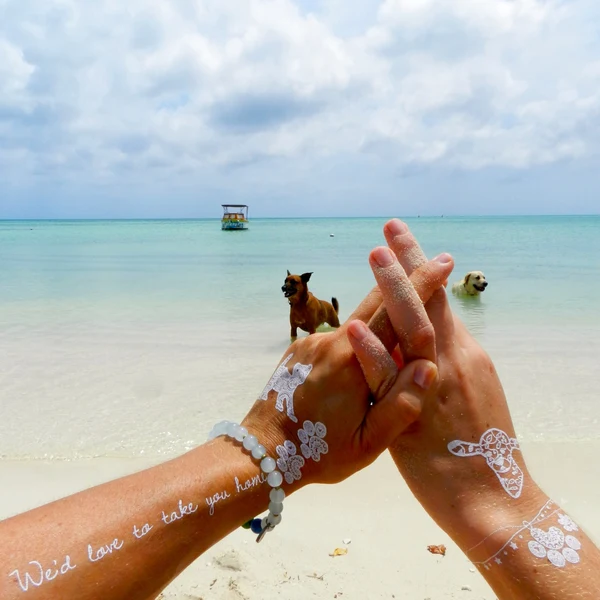
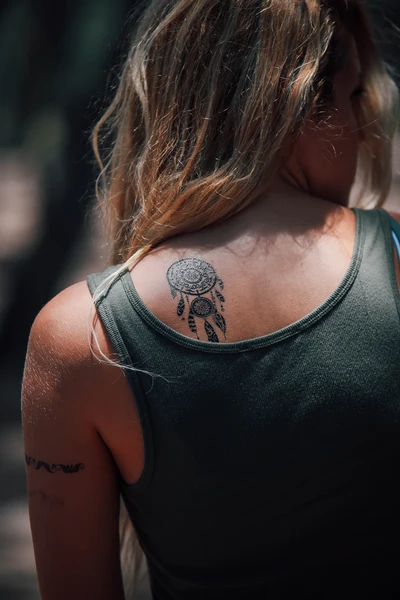
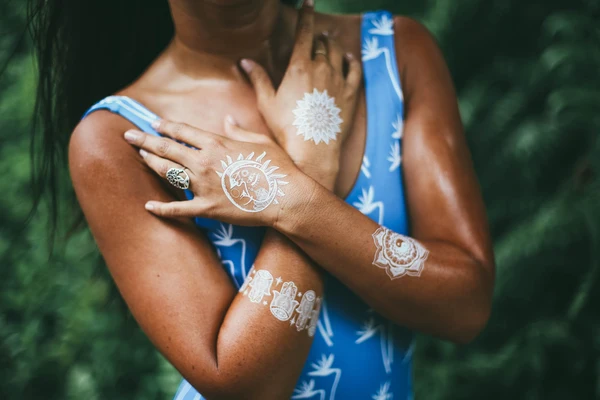
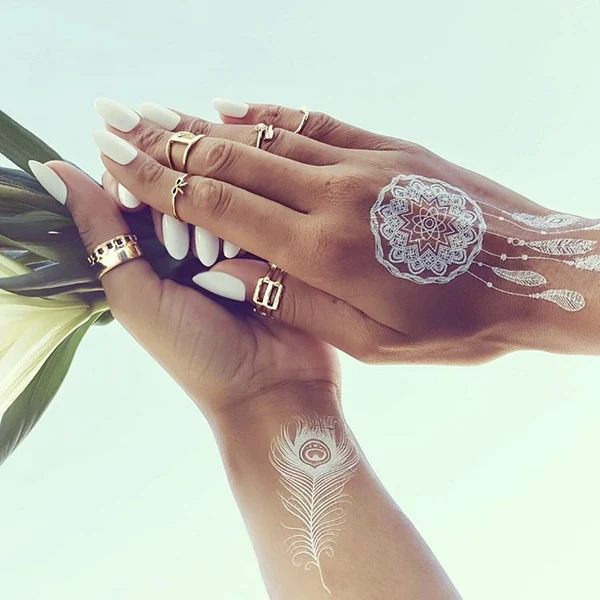
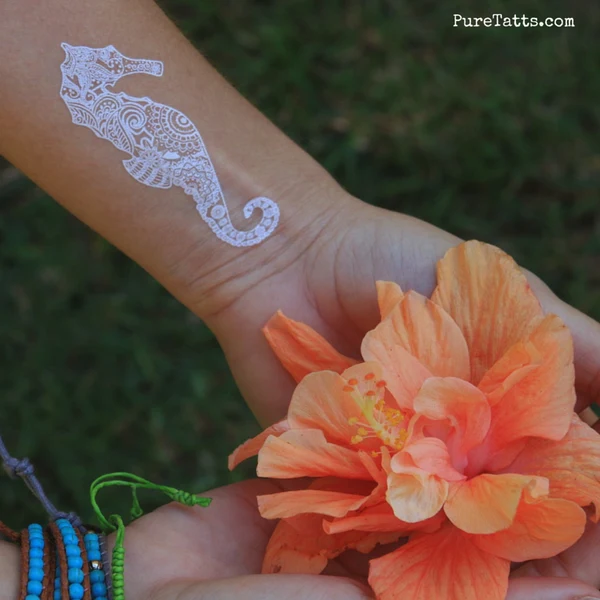
Black designs depend on confident contrast and clean edges. White tattoos call for a different visual strategy, since their effect is softer and more understated. Matte black styles create a bold, velvety appearance, while more delicate linework can feel almost like ink sketched directly onto the skin.
| Design element | Artistic purpose | Wearable effect |
|---|---|---|
| Fine lines | Add detail and movement | Creates a delicate illustrated look |
| Negative space | Prevent visual crowding | Keeps the design clear on skin |
| Bold contours | Define the main form | Makes the tattoo readable from a distance |
| Geometric balance | Establish rhythm and symmetry | Gives the piece a polished structure |
| White or matte finish | Change contrast and mood | Offers a subtle or statement-making style |
The artist’s role continues through this adaptation. They assess whether a small botanical detail will remain visible, whether a symmetrical form feels balanced after scaling, and whether the tattoo retains its intended mood when viewed as a temporary body accessory.
Restricting the palette to black and white creates a focused visual language. Without color competing for attention, shape, texture, and line quality become central. A single curved stroke may suggest movement, while a cluster of fine marks can create depth without shading in a traditional sense.
Black-and-white artwork also works across a wide range of personal styles. A bold black symbol can complement a minimal wardrobe, while a white design may suit a festival look, evening styling, or a subtle layered arrangement. The same monochrome foundation can feel elegant, graphic, mysterious, or playful depending on the artist’s treatment.
This restraint encourages stronger decisions. Artists must consider how much detail is essential, where the eye should settle, and how the design will interact with the body. The finished tattoo feels intentional because every mark has a role.
Artist collaborations bring different visual perspectives into the Pure Tatts collection. One designer may focus on precise geometric drawing, while another may work with fluid botanical forms or expressive symbols. Their individual approaches create a broader selection without losing the brand’s commitment to detailed, high-quality artwork.
Learning about the people behind these collections adds meaning to the designs. The designer behind the collection can reveal the references, techniques, and personal ideas that shaped the finished pieces. A tattoo then becomes more than a decorative image; it carries a trace of the creative journey that produced it.
Seasonal releases offer another opportunity for artistic experimentation. New collections can respond to changing moods, fashion influences, and cultural moments while keeping the hand-drawn process at their center. This balance between consistency and discovery helps each release feel fresh.
Selecting a temporary tattoo is often an extension of personal styling. Some people choose a small, precise symbol for everyday wear, while others prefer a larger composition that becomes the focal point of an outfit. Considering scale, placement, and contrast can help the artwork feel integrated rather than incidental.
A hand-drawn design also rewards closer attention. Look at the spaces between lines, the relationship between repeated forms, and the way the composition guides the eye. These features often reveal the artist’s decisions more clearly than the subject itself.
Useful considerations include:
Temporary tattoos give people room to experiment. A carefully drawn design can complement a special event, refresh a weekend look, or provide a low-commitment way to explore an idea before considering permanent ink. The hand-drawn quality makes that experiment feel personal rather than disposable.
Because Pure Tatts offers different finishes and visual styles, body art can shift with the occasion. A subtle white tattoo may work with clean, minimal styling, while a detailed black piece can add contrast to an otherwise simple outfit. Multiple small designs can also be arranged to create a curated composition.
Those looking for a current offer can browse the latest tattoo sale, while questions about products, application, or collections can be directed through customer support. Exploring the range makes it easier to find artwork that matches both your aesthetic and the moment you want to create.
Every Pure Tatts design carries the visible decisions of its artist: the first loose mark, the refined contour, the considered negative space, and the final adaptation for skin. Browse the collection, choose a hand-drawn piece that reflects your style, and make your next look a canvas for original monochrome art.
Posted on
Posted on
Posted on

Posted on

Posted on
Posted on
Posted on