Temporary Tattoo Collection Donates 50% to Animal Rescue!
Posted on


Posted on
Posted on
Temporary tattoos are a simple way to experiment with body art without committing to permanent ink. Yet removing them can be less comfortable when your skin is reactive, dry, or prone to redness. Rubbing, strong solvents, and repeated washing may leave behind irritation even after the design has disappeared.
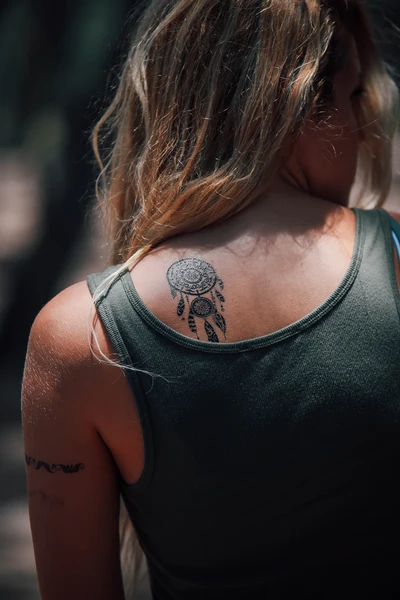
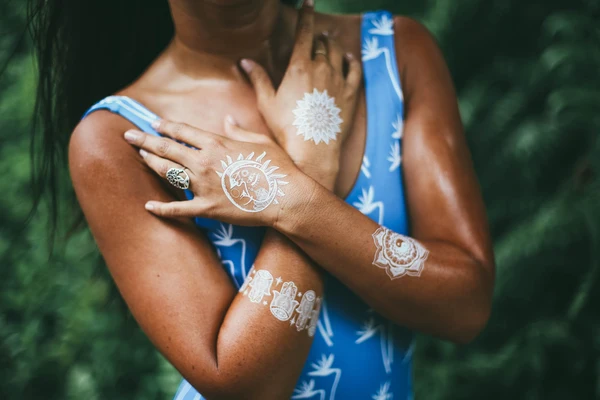
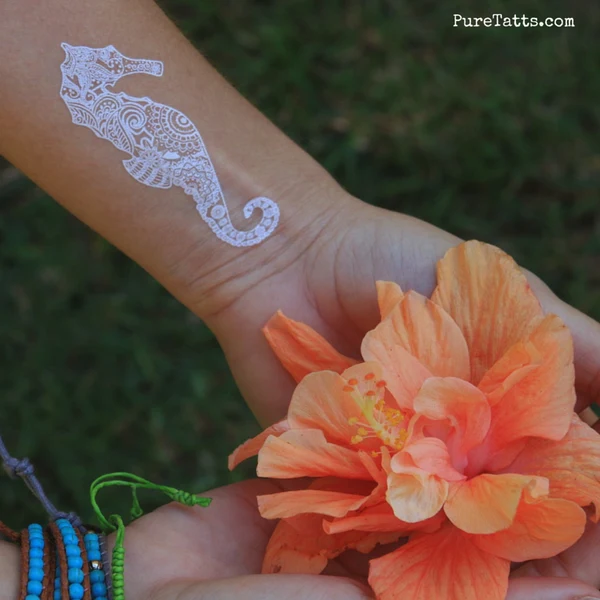
The safest approach is to soften the adhesive first, lift the tattoo gradually, and support the skin afterward. Whether you are wearing a detailed geometric design, a matte black accent, or a white temporary tattoo, patience usually works better than force.
Temporary tattoos sit on the surface of the skin, but their adhesive can still interact with the outer protective barrier. Sensitive skin may respond with itching, stinging, dryness, or small red patches, especially when the tattoo has been exposed to sweat, friction, sunscreen, or warm water.
A little preparation helps reduce the need for scrubbing. Check the area for cuts, sunburn, eczema flare-ups, or broken skin before you begin. If the skin already feels sore, wait until it has settled rather than trying to remove the design immediately.
It is also useful to remember that a faint shadow does not always mean adhesive remains. Some pigment may simply need time to fade. Removing every trace in one attempt can cause more irritation than leaving a light mark to disappear naturally.
Wash your hands first, then gently cleanse the tattoo and nearby skin with lukewarm water and a fragrance-free cleanser. Avoid hot water, as it can increase redness and make sensitive skin feel tight. Pat the area dry with a soft towel instead of rubbing.
If you have never used your chosen removal product before, test a small amount on another area of skin. Mild oils such as mineral oil, baby oil, or plain coconut oil may loosen the design, but botanical ingredients and scented formulas can trigger reactions for some people.
Gather soft cotton pads or a clean microfiber cloth, a gentle cleanser, and an unscented moisturizer. When exploring artist-designed tattoos, consider the placement as well as the artwork; areas with less friction are often easier to remove comfortably.
Begin with oil rather than abrasion. Apply a small amount to the tattoo and let it sit for two to five minutes. The oil can soften the adhesive and help the design slide away. Use a cotton pad to wipe in one direction, applying light pressure. Replace the pad when it becomes covered with pigment instead of repeatedly dragging the same residue across the skin.
For a water-based approach, hold a warm, damp cloth over the tattoo for several minutes. Once the edges begin to lift, gently roll the design away with your fingertips. Do not peel sharply, since sudden pulling can remove surface skin cells and create a stinging sensation.
Micellar water may be suitable for some people, especially when it is fragrance-free and designed for sensitive skin. Use a small quantity and rinse afterward. If the tattoo does not loosen after two or three gentle attempts, stop and give the skin a break rather than escalating to harsh scrubbing.
Different methods vary in speed, convenience, and irritation risk. The best choice depends on your skin history and the type of temporary tattoo adhesive involved.
| Removal method | How to use it | Sensitive-skin considerations |
|---|---|---|
| Mineral or baby oil | Let a small amount sit, then wipe gently | Usually low friction; avoid fragranced formulas |
| Warm damp cloth | Compress the area, then roll away loosened pigment | Keep water lukewarm and avoid vigorous rubbing |
| Fragrance-free micellar water | Apply with a soft pad and rinse afterward | Patch-test first if your skin reacts easily |
| Mild cleanser | Massage briefly after the adhesive softens | Helpful for final residue, but not ideal alone |
| Alcohol or acetone | Apply only where specifically directed by a product label | Often drying and irritating; generally avoid on reactive skin |
| Exfoliating scrub | Rub particles over the tattoo | Can damage the skin barrier and increase redness |
Household solvents, nail polish remover, disinfecting alcohol, and strong makeup removers can strip natural oils from the skin. They may remove pigment quickly, but the resulting dryness or burning can last longer than the tattoo itself. Avoid using these products near the eyes, lips, or other delicate areas.
Do not scrape with a fingernail, razor, rough towel, pumice stone, or exfoliating brush. These tools can create tiny abrasions that are easy to overlook. Baking soda, lemon juice, toothpaste, and essential oils are also poor substitutes for a gentle tattoo remover because they may be irritating or sensitizing.
Friction from clothing can make the area feel worse after removal. If possible, wear loose fabric and avoid applying perfume, deodorant, retinoids, or acid-based skincare directly over the spot until the skin feels normal again.
Once the pigment and adhesive have been removed, rinse the area with lukewarm water and pat it dry. Apply a thin layer of a simple, fragrance-free moisturizer containing ingredients such as glycerin, ceramides, or colloidal oatmeal. Avoid covering the area with a heavy occlusive layer if it feels hot or sweaty.
A cool compress wrapped in clean fabric can relieve temporary warmth or redness. Keep it in place for five to ten minutes, and never apply ice directly to the skin. Mild irritation should gradually improve after the area is cleansed and moisturized.
If redness spreads, swelling develops, blisters appear, or the skin burns and remains painful, discontinue all products and seek medical advice. People with known allergies to adhesives, cosmetics, or fragrances may want to consult a healthcare professional before trying another temporary tattoo.
The easiest removal is usually the one that begins with thoughtful application. Place the tattoo on clean, dry skin without lotion underneath, and avoid areas where straps, waistbands, or frequent handwashing will create constant friction.
For future wear, photograph the design before taking it off. A guide to photographing temporary tattoos can help you preserve the look for social posts or personal styling ideas without prolonging wear on irritated skin.
Keep these habits in mind:
Temporary body art should feel creative rather than uncomfortable. With a slow removal process, mild products, and attentive aftercare, sensitive skin can enjoy changing black-and-white tattoo styles while minimizing dryness and redness. Browse designs with placement and wear time in mind, then treat removal as a gentle skincare step rather than a race to erase every last trace.
Posted on
Posted on
Posted on

Posted on

Posted on

Posted on
Posted on