Temporary Tattoo Collection Donates 50% to Animal Rescue!
Posted on


Posted on
Posted on
Temporary tattoos may look simple, but a successful transfer depends on a carefully engineered interaction between printed ink, a thin adhesive film, moisture, and the skin’s surface. The design must release from its backing at the right moment, settle smoothly into the skin’s natural texture, and remain flexible as the wearer moves.
Unlike permanent tattoo ink, a temporary design stays on the outermost layer of the body. Its performance is influenced by cosmetic-grade materials, humidity, skin oils, friction, and application technique. Understanding these factors explains why one temporary tattoo can last several days while another may lift within hours.
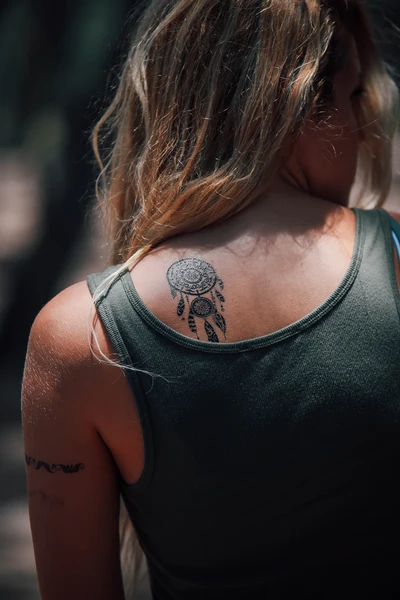
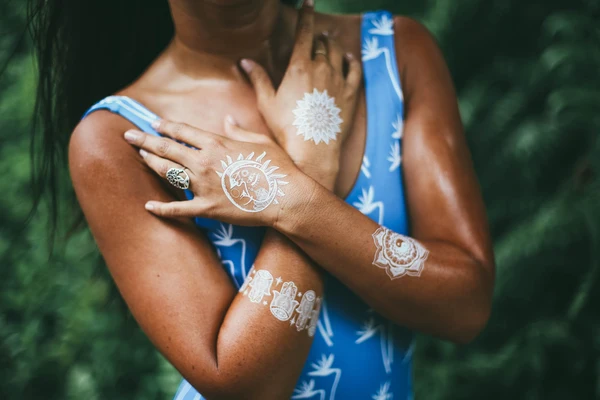
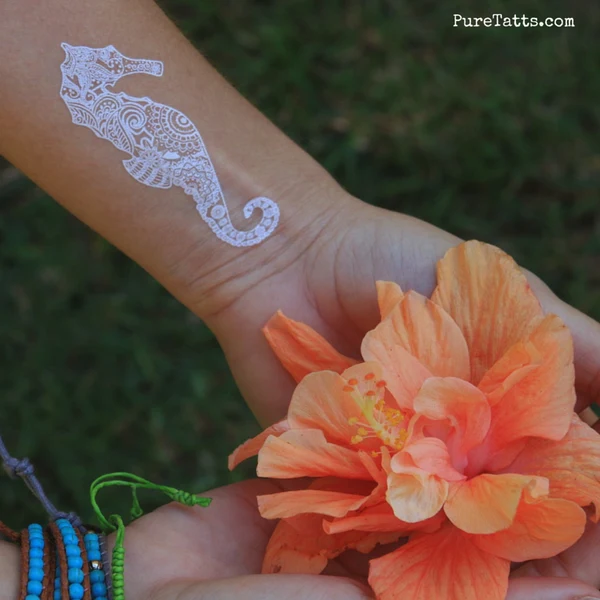
For detailed black-and-white designs, adhesive quality is especially important. Fine lines, geometric shapes, matte finishes, and white pigments need a clean, even transfer so that the artwork remains sharp rather than appearing patchy or blurred.
Most temporary tattoos use a layered construction. A printed image sits on transfer paper, while a transparent adhesive or cosmetic film helps the design attach to the skin. The adhesive is formulated to create enough surface contact for the tattoo to stay in position without behaving like a permanent glue.
The bonding process is primarily physical. When the damp transfer paper is pressed against clean skin, the adhesive layer conforms to tiny ridges and pores. Once the backing paper slides away and the surface dries, the film remains attached through close contact, mild tack, and the natural flexibility of the material.
This layer must also move with the body. A rigid adhesive would crack around elbows, wrists, or ankles, while an overly soft one could smear or peel. High-quality temporary tattoo materials balance adhesion, elasticity, transparency, and comfortable wear.
Water usually acts as a release agent rather than the main substance that bonds the tattoo to the body. Moisture travels through the transfer paper and softens the water-soluble layer that separates the design from its backing. After several seconds of firm pressure, the paper can be removed while the image remains on the skin.
Timing matters because too little water may leave parts of the design attached to the paper. Excess water can make the image slide, dilute the adhesive, or create wrinkles before the film has settled. A damp cloth or sponge typically provides better control than holding the entire tattoo under running water.
After the backing is removed, the tattoo needs a short drying period. During this stage, the adhesive film redistributes across the skin and loses excess moisture. Touching, rubbing, or covering it immediately can disturb fine details before the transfer has fully stabilized.
Skin is not a neutral surface. It contains oils, sweat, natural moisturizing factors, and microscopic flakes of dead cells. These substances can reduce the contact between adhesive and skin, especially when a temporary tattoo is applied over lotion, sunscreen, body oil, or freshly moisturized areas.
Temperature also affects wear. Warm skin and perspiration can soften the adhesive film, while repeated friction from sleeves, watchbands, or bedding can lift the edges. Areas with frequent movement or contact generally wear faster than broad, relatively protected areas such as the upper arm or shoulder.
Individual sensitivity is another consideration. Cosmetic adhesives are designed for topical use, but formulations differ between manufacturers. Anyone with highly reactive skin should follow the product’s safety guidance and test a small area first. A temporary tattoo should be removed if persistent redness, itching, burning, or swelling develops.
The same tattoo can have different results depending on preparation and placement. Clean, dry skin gives the adhesive a more continuous surface, while high-friction locations shorten wear time. The table below shows how common conditions affect transfer performance.
| Factor | Helpful Condition | Likely Effect |
|---|---|---|
| Skin preparation | Clean and completely dry | Stronger, more even contact |
| Moisture during application | Damp backing with firm pressure | Cleaner release from transfer paper |
| Drying time | Several minutes without rubbing | Better film stability |
| Placement | Low-friction, less sweaty area | Longer-lasting appearance |
| Cosmetics | No oil, lotion, or sunscreen underneath | Reduced edge lifting |
| Removal | Oil or gentle cleanser | Less aggressive rubbing |
A well-made design can still fail if its surface is contaminated before application. Even a small amount of body oil may create tiny gaps beneath the transfer, allowing water and friction to reach the edges. Preparing the skin is therefore part of the adhesive process, rather than a separate cosmetic step.
The best placement begins with a smooth area that will not be repeatedly folded, scrubbed, or compressed. Clean the skin with mild soap and water, dry it thoroughly, and avoid applying skincare products immediately beforehand. Hair can also interfere with full contact, so a relatively smooth surface is usually preferable.
When positioning the tattoo, hold it still and apply steady pressure across the whole design. Detailed artwork benefits from even contact because small gaps can interrupt thin lines and leave portions of the image behind on the paper. Let the transfer dry naturally before putting clothing over it or testing whether it has bonded.
For people who enjoy changing their look frequently, a curated source such as Pure Tatts designs can make it easier to compare finishes and artistic styles. Black, white, and matte effects may use similar transfer principles, but their visual impact depends on the opacity and texture of the printed layer.
Temporary tattoo adhesive is intended to release from the outer skin layer rather than penetrate it. Oils can loosen the film by weakening its contact with the skin, while a gentle cleanser can remove remaining residue. Apply a small amount of body oil, cleansing oil, or another suitable remover, allow it to sit briefly, and wipe softly.
Forceful scrubbing is rarely necessary. Abrasive exfoliants, rough towels, and repeated rubbing may cause irritation even after the design has disappeared. If a small amount of pigment remains, a second gentle cleaning session is usually kinder to the skin than trying to remove everything immediately.
Storage also affects adhesive performance before application. Keep unused temporary tattoos flat, dry, and away from excessive heat. Humidity can begin softening water-activated layers inside the package, while heat may alter the adhesive’s texture and reduce the reliability of the transfer.
Packaging information can reveal useful details about intended use, application instructions, storage, and skin-safety guidance. A reputable seller should make those instructions easy to find and should identify the product as intended for temporary cosmetic wear. Artist information and clear product photography can also help set realistic expectations about scale, finish, and detail.
Where products are available matters when comparing collections or planning an event. The store locator can help shoppers find suitable purchasing options, while seasonal releases and artist collaborations offer ways to explore different approaches to monochrome body art.
Temporary tattoo adhesive is a small part of a larger materials system, yet it determines whether the design transfers cleanly and remains comfortable. With sound formulation, careful skin preparation, controlled moisture, and gentle removal, a temporary tattoo can deliver detailed artwork without the permanence of traditional ink.
Browse Pure Tatts designs to find a black-and-white temporary tattoo suited to your next look, occasion, or creative experiment.
Posted on
Posted on
Posted on

Posted on

Posted on

Posted on
Posted on