Temporary Tattoo Collection Donates 50% to Animal Rescue!
Posted on


Posted on
Posted on
Temporary tattoos are designed to look striking for a few days, but removing them should be a gentle process rather than a test of endurance. Aggressive scrubbing, sharp tools, and strong solvents can leave skin red, dry, or irritated long after the design has disappeared.
The safest approach is to soften the tattoo adhesive first, then lift the design gradually with an oil-based product or a mild cleanser. Your skin type, the tattoo’s location, and how long the design has been worn can all affect how easily it comes away.
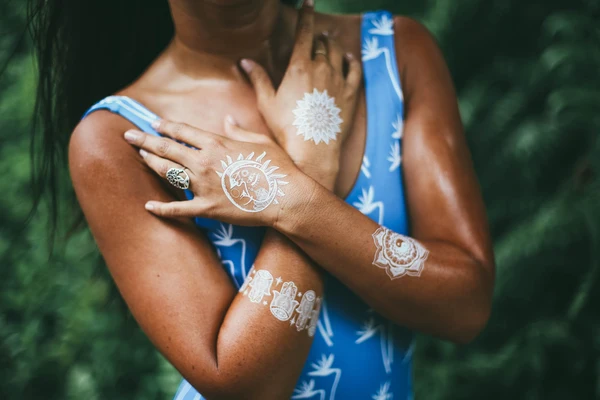
Premium temporary tattoos with detailed linework, geometric shapes, matte black finishes, or white ink can be especially enjoyable to wear because they create a polished look without a permanent commitment. With the right removal routine, you can change designs while keeping your skin comfortable and healthy.
Begin by washing the area with lukewarm water and a gentle, fragrance-free cleanser. Avoid very hot water, since heat can increase redness and dryness without necessarily loosening the tattoo more effectively. Pat the skin dry rather than rubbing it.
Next, place a warm, damp washcloth over the design for 30 to 60 seconds. This helps soften the adhesive and makes the temporary tattoo less resistant. If the tattoo is on a sensitive area such as the wrist, collarbone, ankle, or inner arm, use light pressure and give the skin extra time.
Do not peel the tattoo away in one fast motion. Pulling too quickly can remove surface skin cells and create unnecessary discomfort. Once the edges begin to lift, work slowly from one side toward the other.
A small amount of baby oil, coconut oil, olive oil, or a gentle cleansing oil can help dissolve the adhesive. Apply it over the design and let it sit for one to two minutes. Then massage lightly with your fingertips or a soft cotton pad.
For larger designs, work in sections rather than repeatedly rubbing the entire area. Add more oil if the tattoo feels dry or catches on the skin. The goal is to loosen the transfer, not to scrape it away.
After the design has lifted, wash off the remaining oil with mild soap and lukewarm water. A clean, soft flannel can remove stubborn traces, but use short, gentle strokes. Finish by patting the skin dry and applying a simple, unscented moisturizer.
Different removal options suit different situations. Oil is often the gentlest choice for dry or sensitive skin, while micellar water may be convenient for small tattoos or quick touch-ups. A warm compress can help when adhesive has become firm after several days.
Avoid nail polish remover, acetone, paint thinner, abrasive exfoliants, and harsh household cleaners. These products can strip the skin’s protective barrier and cause burning or inflammation. Rubbing alcohol may remove adhesive, but it can be very drying and is best avoided when a milder option is available.
| Removal option | Best for | How to use it | Skin-care note |
|---|---|---|---|
| Cleansing oil | Dry or sensitive skin | Massage over the tattoo, wait briefly, then wipe gently | Follow with mild cleansing |
| Baby oil | Firm adhesive residue | Apply a thin layer and loosen the design gradually | Keep away from eyes and broken skin |
| Micellar water | Small or fresh tattoos | Soak a cotton pad and hold it over the design | Choose a fragrance-free formula |
| Warm washcloth | Softening the transfer | Cover the area for 30–60 seconds | Use lukewarm, not hot, water |
| Gentle body cleanser | Final residue removal | Wash after the tattoo has lifted | Avoid vigorous scrubbing |
If your skin is prone to eczema, contact dermatitis, dryness, or allergic reactions, test the removal product on a small nearby area first. Wait several minutes and check for stinging, swelling, or unusual redness before continuing.
Never remove a temporary tattoo from broken, sunburned, freshly shaved, or inflamed skin. Shaving can create tiny abrasions that make oil, cleanser, and adhesive more irritating. If the area feels sore, stop and allow the skin to recover rather than forcing the design off.
A little pinkness may occur after rubbing, but persistent burning, hives, swelling, blistering, or intense itching requires attention. Rinse the area with clean water and discontinue the product. Seek medical advice if the reaction worsens or does not settle.
Tattoos on the hands and fingers may fade unevenly because of frequent washing and friction. When removing them, soak the area briefly and use a small cotton pad rather than a rough towel. Pay attention to the spaces around knuckles, where dry skin can make residue more noticeable.
For tattoos on the chest, shoulder, or back, ask someone to help if you cannot see the area clearly. Scrubbing blindly can create irritation without removing the adhesive effectively. A warm compress followed by cleansing oil is usually easier than repeated rubbing.
The face and neck need a particularly light touch. Keep oils away from the eyes and avoid applying remover near the lips. For facial designs, a fragrance-free micellar water or gentle cleansing balm is generally more appropriate than a strong solvent.
Once the tattoo is gone, rinse away any remaining oil or cleanser and pat dry. Apply a lightweight, fragrance-free moisturizer to restore comfort. If the area will be exposed to sunlight, use broad-spectrum sunscreen, especially if the skin looks pink or feels sensitive.
Avoid exfoliating, waxing, shaving, or applying fragranced body products immediately afterward. Give the skin several hours to settle before adding another temporary tattoo in the same spot. Rotating placement areas can reduce repeated friction and adhesive exposure.
The design you choose can also influence how you plan your wear time. If you are comparing contrast and placement options, choose by skin tone before applying a new piece. A well-matched design may need less repositioning, which helps minimize repeated contact with the skin.
A simple routine makes temporary tattoo removal easier and more predictable:
It is also useful to avoid placing a tattoo directly over moles, cuts, rashes, or areas affected by recent cosmetic treatments. Follow the product’s application and wear-time guidance, since leaving adhesive on longer than recommended can make removal more difficult.
When you are ready for a fresh look, explore tattoo designs by finish, scale, and style. Geometric artwork, delicate hand-drawn details, and matte black designs can each create a different effect while remaining easy to change when you use a careful removal method.
Individual designs are helpful when you want to test placement without committing to a larger set. Browse individual tattoo packs for flexible options, then give the skin a short break between applications. Treating removal as part of the wearing process keeps temporary body art comfortable, clean, and ready for the next design.
Posted on
Posted on
Posted on

Posted on

Posted on

Posted on
Posted on