Temporary Tattoo Collection Donates 50% to Animal Rescue!
Posted on


Posted on
Posted on
A gallery wall brings together different artworks to create one cohesive display, and the same idea can transform your skin into a temporary, wearable collection. Instead of placing one isolated design, you can curate several temporary tattoos that share a mood, color palette, or visual rhythm.
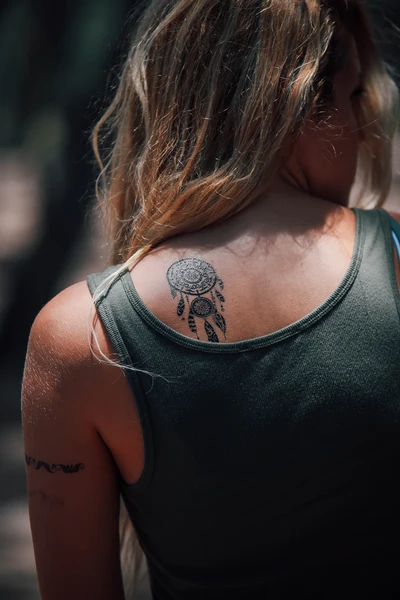
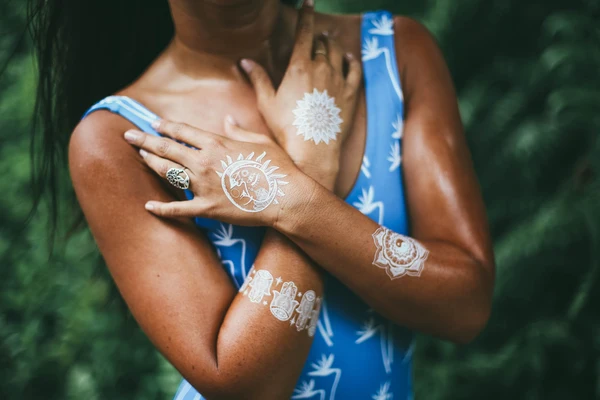
Black-and-white body art works especially well for this concept. Fine-line illustrations, geometric symbols, white ink effects, and matte black accents can sit together without looking crowded when each piece has enough breathing room. The result feels intentional, like a personal exhibition that changes with your outfit, plans, or season.
The key is to plan the arrangement before applying anything. Think about scale, negative space, movement, and how the designs relate to the natural shape of your body. A few minutes of preparation can turn separate temporary tattoos into a polished skin gallery.
Begin by deciding what story the collection should tell. You might choose botanical sketches, celestial motifs, abstract geometry, delicate symbols, or a combination of designs connected by a shared mood. A monochrome theme gives you plenty of flexibility because different drawing styles can still look unified.
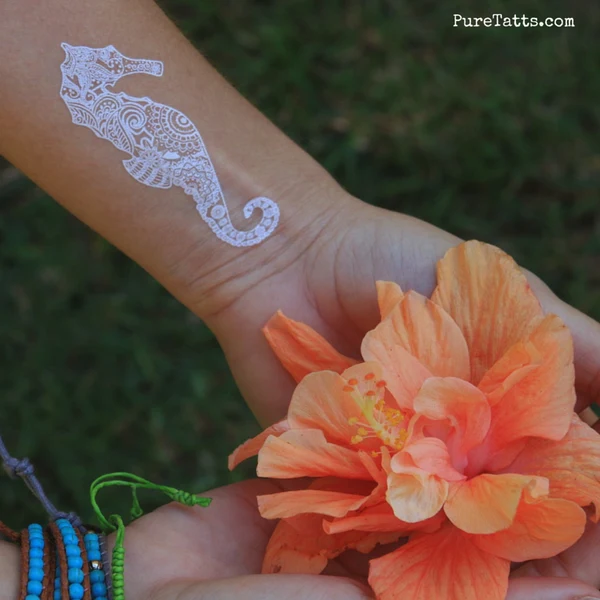
Artists’ hand-drawn details add character to a gallery-style arrangement. Look for designs with a similar level of intricacy so that one highly detailed tattoo does not overpower several simpler pieces. At Pure Tatts, collections include geometric, white, and matte black temporary tattoos that can be combined according to your preferred visual language.
Color is another way to establish consistency. A black-and-white tattoo arrangement can use matte black as its anchor, white designs as highlights, and fine black linework as the connective element. If every piece has a different visual weight, repeat one feature—such as dots, sharp angles, flowing curves, or botanical lines—to make the composition feel deliberate.
Treat your skin as a moving display surface rather than a flat canvas. The shoulder, collarbone, forearm, ribs, thigh, and ankle each create different opportunities for spacing and flow. A curved area may suit designs that follow the body’s contour, while a broad forearm can support a more structured vertical arrangement.
Lay the temporary tattoos on a clean sheet of paper in several possible configurations. You can also cut rough shapes from paper to represent each design and place them against your skin while wearing the outfit you plan to style with the tattoos. This makes it easier to judge scale and prevents last-minute rearranging.
A strong layout usually has one focal piece, two or three supporting designs, and open space between them. Avoid lining every tattoo up at the same distance. Slight variation in height and angle makes the arrangement feel collected rather than mechanically repeated, while consistent spacing keeps it visually calm.
Contrast gives a temporary tattoo gallery depth. Pair a bold matte black symbol with a lighter fine-line illustration, or place a crisp geometric design beside an organic hand-drawn shape. White temporary tattoos can act like highlights, especially on deeper skin tones or when placed against a dark outfit.
Negative space is just as important as the tattoos themselves. Crowding every available area can make intricate artwork difficult to appreciate. Leave enough skin visible around each piece for the eye to recognize its outline. On a forearm, this may mean spacing designs along a diagonal; on the back or thigh, it could mean creating a loose constellation.
| Style | Visual effect | Suitable placement | Pairing idea |
|---|---|---|---|
| Fine-line black | Delicate and detailed | Wrist, collarbone, forearm | Small botanical or celestial pieces |
| Matte black | Bold and graphic | Shoulder, upper arm, thigh | White accents or open linework |
| White temporary ink | Subtle and luminous | Collarbone, shoulder, ankle | Dark clothing and black symbols |
| Geometric | Structured and modern | Forearm, ribs, calf | Organic sketches for contrast |
| Mixed monochrome | Curated and artistic | Back, hip, upper arm | One large focal piece with smaller accents |
Use contrast in moderation. If every tattoo is a focal point, the eye has nowhere to settle. A gallery wall feels balanced because some works lead the display while others support it, and skin art benefits from the same hierarchy.
The most successful arrangements guide the eye across the body. Designs can follow the line of a collarbone, travel down an arm, curve around a shoulder, or create a gentle path across the hip. This sense of movement makes the collection look connected even when the individual tattoos are unrelated.
Angles can help create flow. Pointed geometric designs may direct attention toward a central motif, while curved lines can soften the transition between separate pieces. Try rotating small tattoos slightly instead of placing every design perfectly upright. Subtle changes in orientation make the arrangement more expressive.
Consider how the gallery will look when you move. A composition that appears balanced while standing still may shift when your arm bends or your shoulder turns. Apply the largest piece first, then place the supporting tattoos around its natural lines. This approach allows the body’s shape to guide the final design.
Clean, dry skin gives temporary tattoos the best chance of transferring evenly. Apply them away from moisturiser, body oil, sunscreen, and heavy fragrance. If the area has hair, trim it carefully rather than applying over thick growth, which can interrupt the design.
Press each tattoo firmly with a damp cloth according to its instructions, then wait before removing the backing. Avoid rubbing the surface immediately after application. Let the artwork set, especially around joints or areas that experience frequent friction from sleeves, waistbands, bags, or shoes.
Keep the finished display looking sharp by using gentle cleansing and patting the skin dry. Sweat and repeated rubbing can fade temporary body art faster, so loose clothing may help preserve designs placed on the ribs, shoulder, or thigh. When the collection has served its purpose, follow this gentle removal guide to lift the artwork without harsh scrubbing.
A few practical decisions can make the difference between scattered tattoos and a convincing wearable art installation.
Seasonal collections and artist collaborations can provide a useful starting point when you want a ready-made visual direction. You can build a summer arrangement with airy white accents, create a dramatic evening layout with matte black pieces, or combine geometric designs with delicate linework for an editorial effect.
A temporary tattoo gallery also works well as an evolving ritual. Start with three pieces, observe how they look together, and add another only if it strengthens the composition. This keeps the display flexible while allowing your personal style to develop through each arrangement.
Select a few designs that belong together, sketch their placement, and turn your next outfit into a moving exhibition. With thoughtful spacing and a clear visual theme, your skin can become a temporary gallery made for the moment.
Posted on
Posted on
Posted on

Posted on

Posted on

Posted on
Posted on