Temporary Tattoo Collection Donates 50% to Animal Rescue!
Posted on


Posted on
Posted on
Temporary tattoos are an easy way to experiment with body art without committing to permanent ink. Even high-detail designs can be worn for a special event, styled for a photo, or changed with the season. When the time comes to take one off, the goal is to lift the pigment and adhesive without irritating the skin underneath.
The best removal technique depends on the tattoo’s age, its location, and your skin type. A design on the wrist may release quickly with oil, while one near a joint can need more patience because of movement and friction. Gentle removal usually takes only a few minutes when you use the right product and avoid rushing.
This guide covers safe ways to remove temporary tattoos, how to handle leftover residue, and how to care for your skin afterward. It also explains when to stop, particularly if you notice redness, stinging, or unusual sensitivity.
Before removing a temporary tattoo, inspect the surrounding skin. If it looks calm and feels comfortable, you can begin with a mild method. If there is itching, swelling, broken skin, or a rash, avoid rubbing the area and remove any remaining product with lukewarm water only. Continued irritation may indicate a reaction to an adhesive or cosmetic ingredient.
Your skin’s natural oils, sweat, and daily movement will gradually loosen most temporary tattoos. A design that has already begun to crack or fade usually needs very little effort. Fresh applications may require more oil or moisture because the adhesive is still firmly attached to the surface of the skin.
Avoid peeling the tattoo sharply, even when an edge appears loose. Pulling too quickly can remove surface skin cells and leave the area sore. Instead, soften the design first, then wipe or roll it away with a clean cotton pad or soft washcloth.
Oil is often the simplest temporary tattoo remover. Baby oil, mineral oil, cleansing oil, or a small amount of coconut oil can help break down the adhesive. Apply a thin layer, leave it in place for 30 to 60 seconds, and gently massage in small circles. A cotton pad can then lift away the softened pigment.
Warm water and mild soap are useful for designs that are already fading. Hold a warm, damp cloth over the tattoo for a minute, then wash the area without scrubbing aggressively. The warmth loosens the adhesive while the cloth provides light friction. Repeat the process rather than increasing pressure.
Micellar water and gentle makeup remover can work well on smaller tattoos, especially when the design sits on the arm, shoulder, or upper chest. Choose a fragrance-free formula where possible, and keep it away from the eyes and other sensitive areas. Always rinse afterward if the product leaves an oily or perfumed residue.
Different parts of the body need different levels of care. Skin over the elbows, knees, and ankles moves constantly, so residue may collect in creases. Areas such as the neck, inner wrist, and collarbone can be more sensitive and should be treated with lighter pressure.
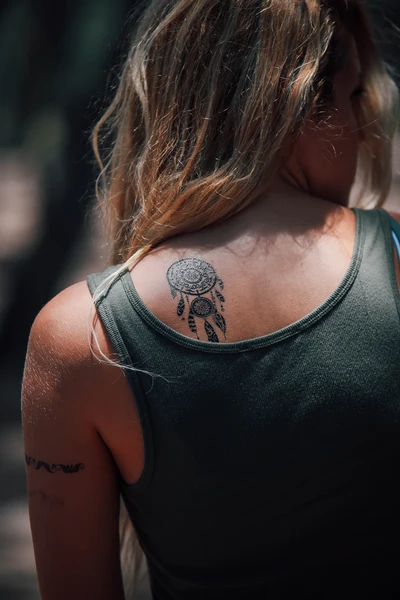
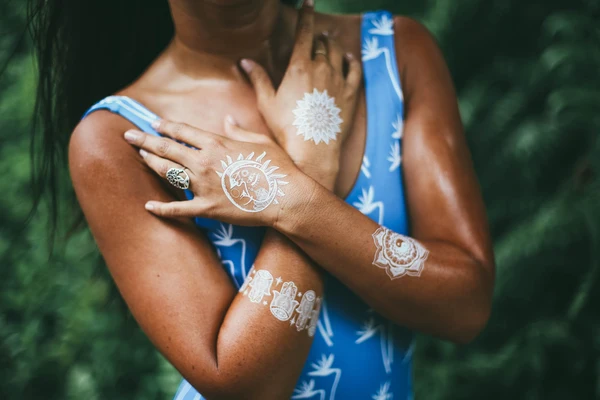
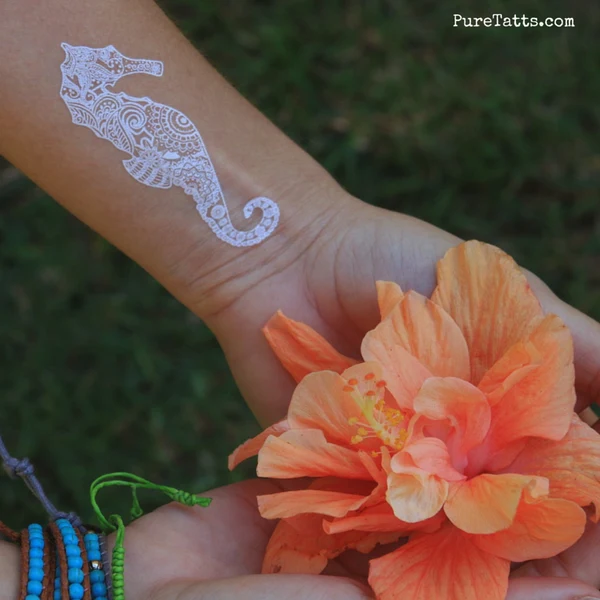
The design style can also affect the removal process. Dense matte black artwork may leave more visible pigment as it fades, while white temporary tattoos can become less noticeable before the adhesive has fully released. Detailed artist designs, such as this white special edition, deserve the same gentle approach as simpler graphics.
| Tattoo location or situation | Gentle first step | What to avoid |
|---|---|---|
| Forearm or upper arm | Cleansing oil and a soft cotton pad | Scraping with fingernails |
| Wrist or ankle | Warm cloth followed by mild soap | Excessive rubbing over joints |
| Neck or collarbone | Fragrance-free micellar water | Strong alcohol-based products |
| Dense black design | Oil soak, then slow wiping | Repeated dry scrubbing |
| Sensitive or reactive skin | Lukewarm water and a patch-tested cleanser | Acetone, bleach, or abrasive exfoliants |
Sometimes the visible tattoo disappears while a sticky outline remains. This is usually adhesive rather than pigment. Apply a little oil to the residue and let it sit for several minutes. Wipe in one direction with a soft cloth, washing the cloth between passes so you do not spread the adhesive across clean skin.
For a persistent patch, a gentle body cleanser or a small amount of petroleum jelly may help. Do not use nail polish remover, paint thinner, household cleaning products, or bleach. These substances can damage the skin barrier and cause chemical irritation, even when the tattoo itself appears difficult to remove.
If the tattoo is on a hairy area, avoid pulling at individual hairs to remove the design. Massage oil through the area and wipe along the direction of hair growth. A warm shower can make this process easier, but keep the water comfortably warm rather than hot.
People with eczema, psoriasis, allergies, or a history of contact dermatitis should take extra precautions. Test the chosen remover on a small nearby area first, then wait to see whether burning, itching, or redness develops. If a product causes discomfort, wash it away and choose plain lukewarm water instead.
The skin around the eyes, lips, and genitals needs special treatment. Temporary tattoos should not be applied close to the eyes or on mucous membranes, and standard oil-based removers should not enter the eye. If product does get into the eye, rinse with clean water and seek medical advice if discomfort continues.
Artist-led temporary tattoo collections can contain intricate lines and layered visual details, but that does not mean they need stronger removal products. A black-and-white design such as this artist collaboration should come away through softening and patience rather than force.
Once the tattoo and adhesive are gone, rinse the area with lukewarm water and pat it dry. Apply a plain, fragrance-free moisturizer to restore comfort. If the skin feels dry, a thin layer of a simple barrier cream can reduce tightness and protect it from clothing friction.
For the next several hours, avoid vigorous exfoliation, shaving directly over the area, hot tubs, and heavily fragranced products. Sun exposure can make recently irritated skin more uncomfortable, so cover the area or use sunscreen once the skin has settled.
Mild pinkness from rubbing should improve fairly quickly. Stop using products on the area and seek professional medical advice if you develop increasing redness, swelling, blisters, intense itching, pain, or warmth that persists.
Planning for removal makes temporary body art easier to enjoy. Apply designs to clean, dry skin, keep them away from broken areas, and remember where they are placed before showering or exercising. When you want a fresh look, give the skin time to rest rather than applying a new tattoo over irritation.
For design inspiration, care guidance, and seasonal ideas, browse the Pure Tatts journal. A rotating collection of monochrome, geometric, white, and matte black artwork makes it easy to choose a style that fits an outfit or occasion without a long-term commitment.
Keep these habits in mind:
Temporary tattoos should feel creative and flexible from application through removal. With a little warmth, a suitable oil or cleanser, and a patient touch, most designs can be lifted cleanly while keeping the skin comfortable. Explore Pure Tatts’ artist-created collections when you are ready to wear a new piece, and let each design be as easy to change as it is to style.
Posted on
Posted on
Posted on

Posted on

Posted on

Posted on
Posted on