Temporary Tattoo Collection Donates 50% to Animal Rescue!
Posted on

Posted on
Posted on
Temporary tattoos make it easy to change your look without committing to permanent ink. A carefully placed design can add detail to an outfit, highlight personal style, or bring an artistic accent to a special occasion. With the right preparation and aftercare, your temporary tattoo can stay crisp and attractive for several days.
Pure Tatts creates detailed black-and-white designs, including geometric patterns, matte black artwork, and white temporary tattoos. You can explore Pure Tatts to find pieces suited to everyday wear, events, photoshoots, and seasonal styling.
How long a design lasts depends on its location, your skin type, clothing, activity level, and the application method. Simple habits before and after application help preserve clean edges, strong contrast, and the original character of the artwork.
Start with clean, completely dry skin. Wash the area with mild soap and water, then dry it thoroughly with a lint-free towel. This removes sweat, natural oils, sunscreen, and body lotion that could prevent the tattoo from adhering evenly.
Avoid applying a temporary tattoo directly after moisturizing. Oils and emollients create a slippery layer between the skin and the design, which can cause lifting around the edges. If you have recently shaved, wait until any irritation has settled before applying the tattoo, since freshly irritated skin may be more sensitive.
Choose a relatively flat area with minimal movement and friction. The outer forearm, shoulder, upper arm, ankle, and calf often work well. Areas that bend frequently, such as knuckles, elbows, and knees, may cause the design to crease or wear away sooner.
Follow the instructions supplied with your tattoo, as application methods can vary. Most water-transfer tattoos need the printed side against the skin, firm pressure, and enough moisture to release the paper backing. Hold the backing in place for the recommended time instead of lifting it early to check the image.
Press evenly across the entire design, paying close attention to thin lines and small details. A design that has not fully transferred may appear patchy from the beginning. After removing the backing, allow the tattoo to dry naturally for a few minutes before covering it with clothing or touching it repeatedly.
Do not stretch the skin while applying the tattoo. Relax the body part and keep it in a natural position so the artwork settles onto its normal shape. Once applied, avoid rubbing the area with your hands, towels, or accessories.
Brief contact with water is usually manageable, but prolonged soaking can shorten the life of temporary body art. Avoid swimming, hot tubs, long baths, and directing a strong shower stream at the design. When washing nearby skin, use gentle movements and avoid applying cleanser directly over the tattoo.
Sweat and heat can soften the surface and encourage fading. If you are exercising, choose a placement that will not be repeatedly rubbed by straps, waistbands, or protective equipment. Loose, breathable clothing helps reduce friction while the design settles and during everyday wear.
After bathing or washing your hands near the tattoo, pat the area dry rather than rubbing it. A soft towel pressed lightly against the skin removes moisture without disturbing the printed surface. Keep perfumes, body oils, sunscreen, and alcohol-based products away from the artwork whenever possible.
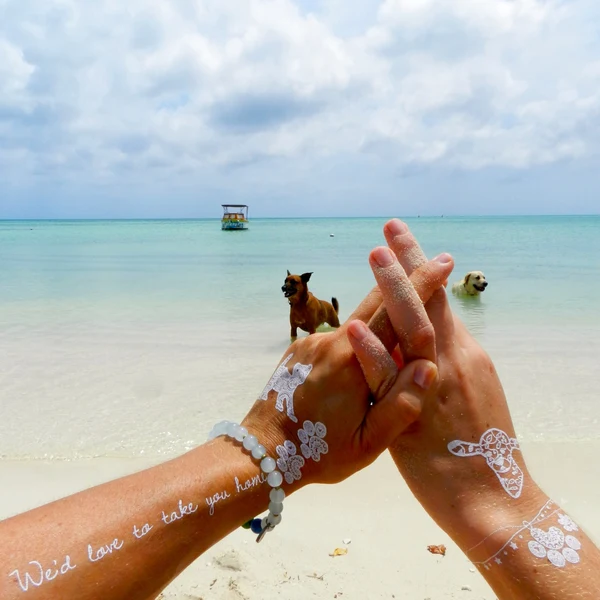
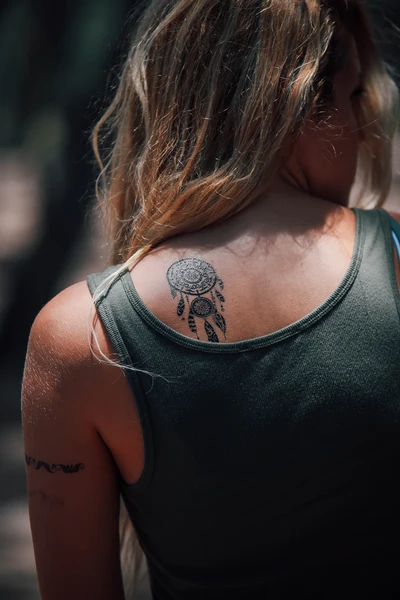
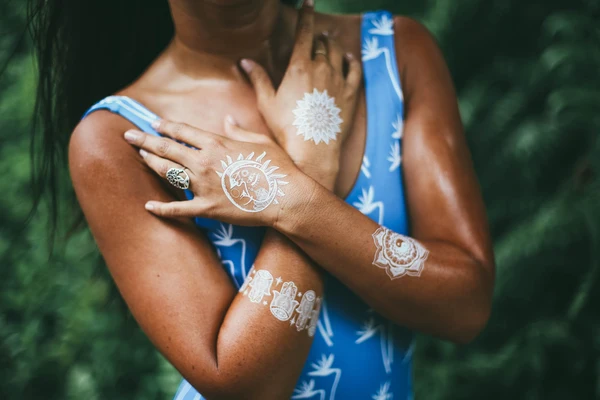
Different finishes can react differently to lighting, moisture, and skin texture. Matte black designs often provide a bold, graphic appearance, while white temporary tattoos may look especially striking on darker or tanned skin. Both styles benefit from careful placement and protection from friction.
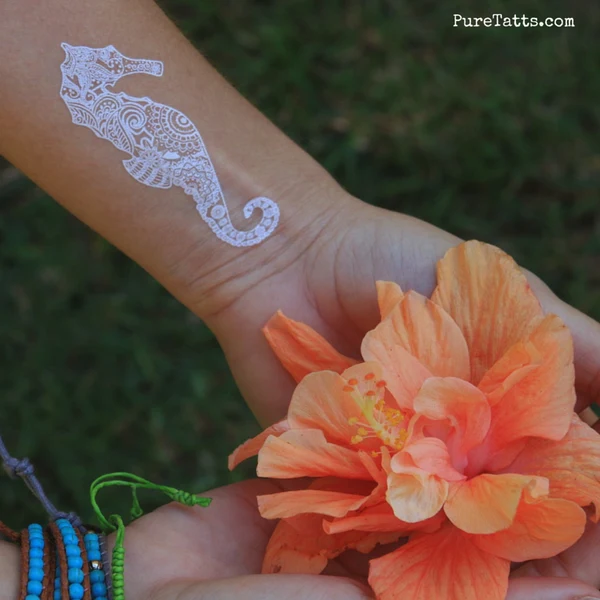
Highly detailed, hand-drawn artwork deserves extra attention during application. Fine geometric lines and small decorative elements can lose visual clarity if the tattoo is placed across a crease or repeatedly exposed to rubbing. Smooth, less mobile skin gives intricate designs the best chance of staying sharp.
Use this quick reference when planning where and how to wear your tattoo:
| Situation | Best Practice | Why It Helps |
|---|---|---|
| Before applying | Clean and dry the skin | Removes oils that interfere with adhesion |
| First few minutes | Keep the area relaxed and untouched | Lets the design settle evenly |
| During bathing | Use brief, gentle contact with water | Reduces softening and edge lifting |
| During exercise | Avoid tight straps and heavy rubbing | Limits friction and sweat exposure |
| After washing | Pat dry with a soft towel | Prevents the artwork from being rubbed away |
| Before removal | Apply a small amount of body oil | Loosens the design more comfortably |
A temporary tattoo is designed for short-term wear, so some gradual fading is natural. The goal is to slow that process while keeping the artwork presentable for as long as possible.
Think about the tattoo’s location when choosing your outfit. A design under a watchband, tight sleeve, sock edge, or bag strap may fade faster than one on an uncovered area. If you want the tattoo to last through an event, apply it at least several hours beforehand and choose clothing that leaves it undisturbed.
Avoid repeatedly touching the tattoo to test whether it is still intact. Fingers carry natural oils, and frequent contact can dull the surface. If an edge begins to lift, do not press it down with lotion or adhesive products, as these may create an uneven finish or irritate the skin.
Sun exposure can gradually affect the appearance of temporary ink, especially on light-colored or white designs. Cover the area with clothing when practical, and apply sunscreen around the tattoo rather than directly over it. Once the design begins to fade significantly, gentle removal is usually better than trying to revive it.
When you are ready to take off the tattoo, soften it with body oil, baby oil, or an oil-based cleanser. Leave the product on the area briefly, then wipe gently with a soft cloth or cotton pad. Warm water can help loosen the remaining pigment, but vigorous scrubbing is unnecessary.
If small traces remain, repeat the process instead of using harsh solvents. Avoid scraping, picking, or applying strong household cleaners to the skin. Temporary tattoos should come away with patience, and irritated skin may stay red long after the design has disappeared.
Stop if you experience persistent itching, burning, swelling, or a rash. Wash the area with mild soap and water, and seek appropriate medical advice if the reaction continues. Applying temporary ink to broken, inflamed, or highly sensitive skin is best avoided.
A simple routine makes temporary body art easier to wear and style. Keep the design clean, dry, and away from unnecessary friction, then adjust your habits according to its location and finish. These practical steps are especially useful when wearing a new artist collaboration or a limited seasonal design.
For creators, stylists, and tattoo fans who enjoy sharing new looks, the artist ambassador form offers a way to connect with the brand and explore collaboration opportunities. A well-cared-for design photographs better, wears more comfortably, and keeps its details visible for longer.
Temporary tattoo care is mostly about reducing moisture, oils, heat, and friction. Starting with prepared skin, applying the design carefully, and treating it gently afterward can make a noticeable difference in its lifespan. The result is a cleaner, sharper look that remains enjoyable from first application through gradual fading.
Choose a design that fits your mood, place it where it can stay protected, and give it the care its artwork deserves. For questions about products, application, or a particular design, contact the team and make your next piece part of a thoughtful, well-styled look.
Posted on
Posted on
Posted on

Posted on

Posted on

Posted on
Posted on